
Supreme Court Halts Work Orders for Bandra and Worli Redevelopment Projects Till August 13
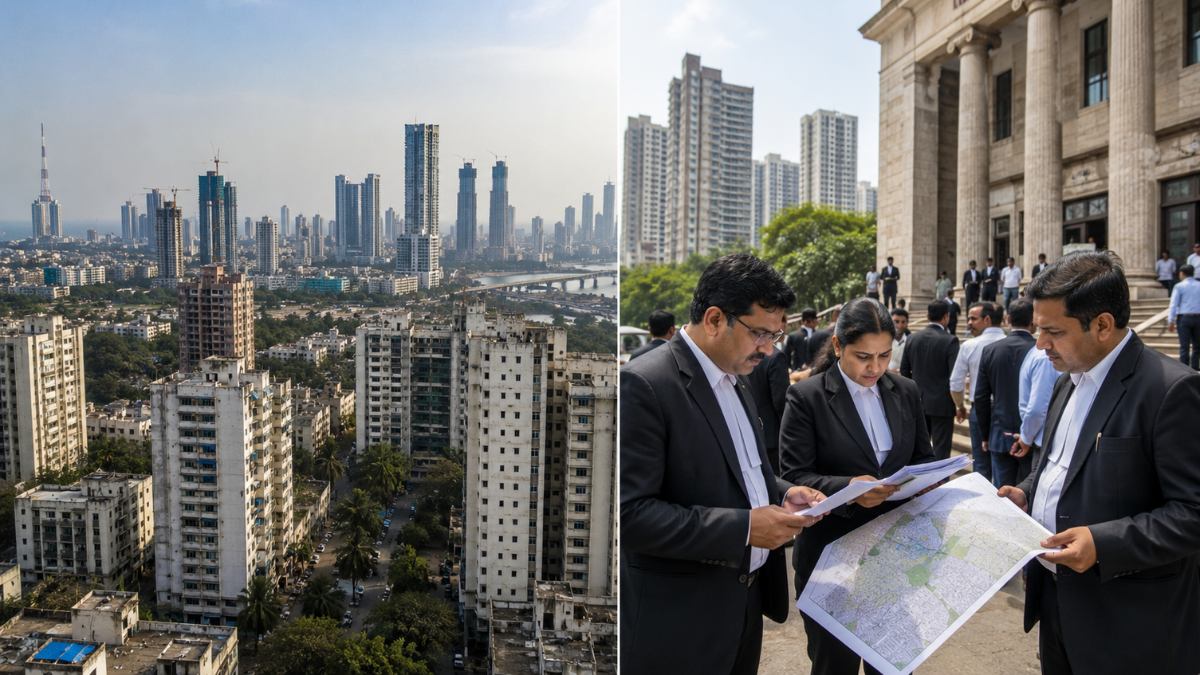
MUMBAI | July 30, 2026: The Supreme Court has temporarily restrained authorities from issuing work orders for the proposed cluster redevelopment projects covering 132 acres in Mumbai's Bandra Reclamation and Worli areas.
The interim order will remain in force until the court hears the matter again on August 13, providing temporary relief to several housing societies that have challenged the redevelopment plan.
Why the Redevelopment Is Being Challenged
A group of cooperative housing societies has approached the Supreme Court, questioning the Maharashtra government's decision to undertake cluster redevelopment of the land.
The petitioners argue that the land had already been conveyed to their societies and contend that their ownership rights cannot be altered through a government resolution.
Government's Stand
The Maharashtra government has maintained that the land belongs to the Maharashtra Housing and Area Development Authority (MHADA) and was leased to housing societies.
According to the government, the redevelopment aims to:
- Increase affordable housing supply.
- Redevelop ageing housing layouts.
- Execute the project through a public bidding process.
The redevelopment contract has been awarded to Adani Properties.
What the Supreme Court Ordered
The apex court has directed that no work orders be issued until the next hearing on August 13.
The order is temporary and does not decide the merits of the redevelopment project. The legal dispute over the redevelopment proposal will continue during the upcoming hearing.
What It Means for Residents
Residents of the affected housing societies have received temporary relief, as redevelopment work cannot formally proceed through the issuance of work orders until the court considers the matter further.
The final outcome will depend on the Supreme Court's decision after hearing the arguments from all parties.
Why This Matters
Large-scale redevelopment projects in Mumbai often involve complex legal questions related to land ownership, redevelopment rights and public housing policy. The Supreme Court's interim order highlights the importance of resolving these issues before major redevelopment projects move forward, particularly in high-value residential areas.