
Mumbai Western Suburbs Are Getting a Redevelopment Push What It Could Mean for Residents and Property Demand
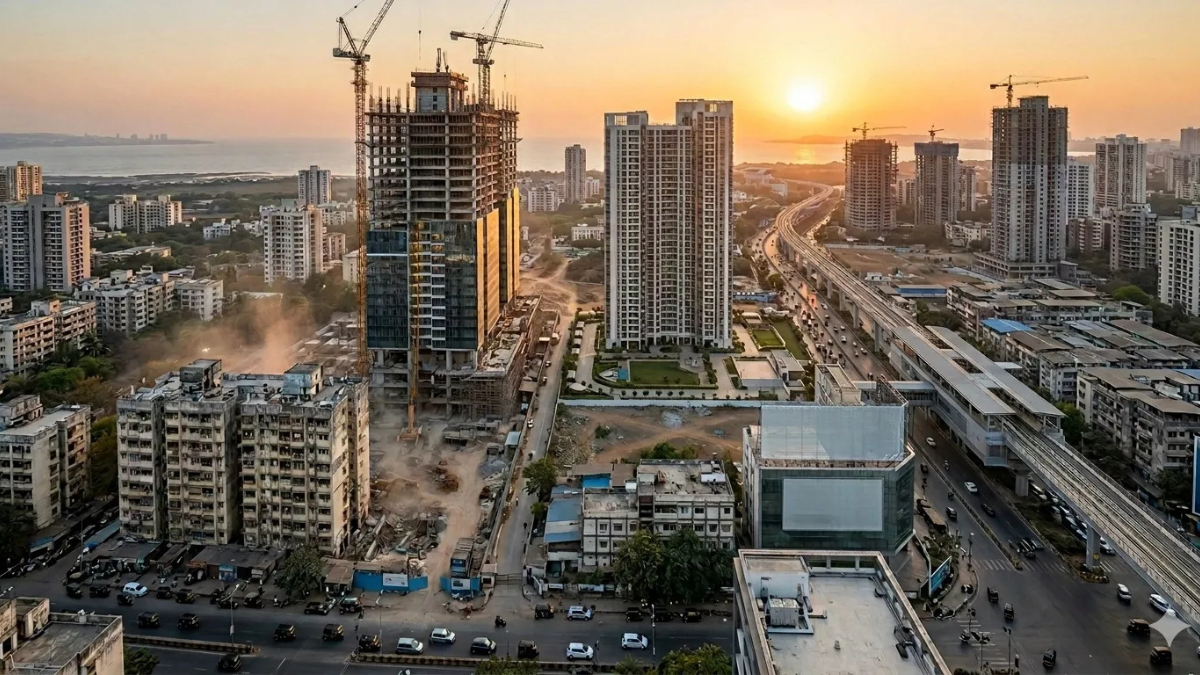
Mumbai, August 10, 2026: For residents living in older housing societies across Mumbai's western suburbs, redevelopment is increasingly becoming more than just a new building project. It can mean better homes, improved infrastructure, more open spaces and a neighbourhood that is planned for the next generation.
Against this backdrop, Ambit Realtors & Developers is expanding its redevelopment and cluster redevelopment activity across Malad West and Borivali West, with projects in areas including S.V. Road, Evershine Nagar and Chikuwadi. The company says these projects together add more than 20,000 sq m to its redevelopment pipeline.
The company's redevelopment activity comes at a time when Mumbai has limited land availability and established suburbs are increasingly turning to redevelopment to accommodate newer housing and infrastructure without expanding outward.
Why Redevelopment Is Becoming Important for Mumbai Homeowners
For families living in ageing buildings, redevelopment can directly affect everyday life.
Older societies often face problems such as limited parking, inadequate open areas, ageing infrastructure and a lack of modern amenities. A well-planned redevelopment project can address several of these issues while allowing residents to remain within a neighbourhood where they already have social and professional connections.
Ambit's projects in Malad West and Borivali West are being positioned around this broader idea of creating integrated residential communities rather than simply replacing individual buildings.
Cluster Redevelopment Could Change the Way Neighbourhoods Are Planned
One of the more significant aspects of the company's pipeline is its focus on cluster redevelopment.
Instead of redeveloping one society in isolation, multiple societies or adjoining parcels can be planned together. This creates more scope for larger open spaces, better internal circulation, improved infrastructure and common amenities.
For residents, the difference can be meaningful. A new tower alone may provide a modern apartment, but a larger planned community can potentially improve the overall living environment.
The Chikuwadi project in Borivali West, for example, involves multiple societies within a larger redevelopment framework. The company says this approach allows better planning of open spaces, amenities and movement within the development.
Malad and Borivali Projects Add to Mumbai's Redevelopment Pipeline
Ambit's current redevelopment activity includes projects at S.V. Road in Malad West, Evershine Nagar in Malad West and Chikuwadi in Borivali West.
The projects collectively cover more than approximately 20,000 sq m, strengthening the developer's presence in established western-suburb micro-markets where connectivity and existing social infrastructure already support residential demand.
The company's Ambit Primoris project in Kandivali West is another part of its residential portfolio. The project is registered under MahaRERA with registration number P51800078969.
What Could This Mean for Property Demand
Redevelopment can have a wider impact than the society being reconstructed.
When ageing properties are replaced with modern residential developments, the surrounding locality can become more attractive to buyers looking for established neighbourhoods with existing connectivity, schools, healthcare and daily-use infrastructure.
That can support demand for both newly developed homes and surrounding properties over time.
However, redevelopment does not automatically mean that property prices will rise everywhere. The actual impact depends on factors such as project quality, connectivity, supply, construction timelines and the broader Mumbai housing market.
Ambit Reports Strong Growth in Its Redevelopment Business
Ambit Realtors & Developers has reported an estimated gross revenue of around ₹2,500 crore for FY26, according to the company information provided for the development pipeline.
The developer has also completed the registration of Development Agreements for its redevelopment projects under Maharashtra's redevelopment framework. The agreements collectively represent a stamp duty value of approximately ₹17 crore, according to the company.
For Mumbai's western suburbs, the bigger story is therefore not just one developer adding projects. It is the growing role of redevelopment in reshaping mature neighbourhoods where vacant land for large new developments is increasingly limited.
The Real Test Will Be What Residents Get
For existing residents, the success of redevelopment will ultimately be measured beyond the height or appearance of a new tower.
Better infrastructure, sufficient open areas, smoother internal movement, reliable utilities, amenities and timely project execution are what can genuinely change everyday life.
As Mumbai's established suburbs continue to age, redevelopment could become one of the city's most important tools for creating better housing without losing the neighbourhoods that residents already call home.