
Green Buildings Explained What Homebuyers Should Know Before Buying
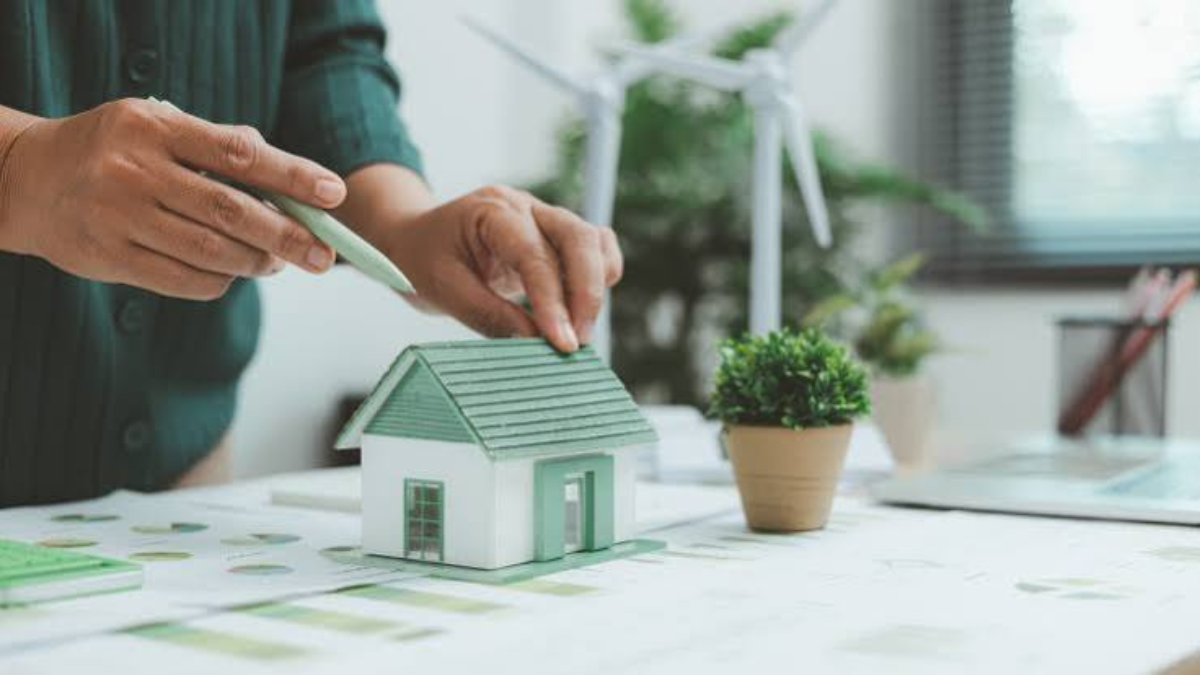
Green buildings are becoming an important part of modern real estate as homebuyers increasingly look beyond price and location. Energy efficiency, water conservation, lower maintenance costs and better living comfort can all influence the long-term value of a home.
But what exactly makes a building green, and what should buyers check before paying a premium for one?
What Is a Green Building?
A green building is designed and constructed to use resources more efficiently while reducing its environmental impact.
Depending on the project, this can include energy-efficient lighting, solar power, rainwater harvesting, natural ventilation, water-saving fixtures, wastewater recycling and sustainable landscaping.
Key Features to Look For
Homebuyers should check whether a project actually includes practical sustainability features such as:
- Solar energy systems
- Rainwater harvesting
- Energy-efficient lighting and appliances
- Natural ventilation and daylight
- Waste segregation and recycling
- Water-efficient plumbing
- Wastewater treatment and reuse
- Energy-efficient cooling systems
Not every green project will have all these features, so buyers should check the actual specifications rather than relying only on marketing claims.
Can a Green Home Reduce Your Bills?
Potentially, yes.
Energy-efficient designs can reduce electricity consumption by making better use of natural light, ventilation and efficient equipment. Solar systems can further reduce dependence on conventional electricity.
Similarly, rainwater harvesting and water-recycling systems can help reduce freshwater consumption.
However, actual savings depend on the building's design, equipment, maintenance and how residents use the property.
Is a Green Home More Expensive?
Some green features can increase the initial construction cost. However, buyers should consider the total cost of ownership, rather than looking only at the purchase price.
Lower electricity, water and maintenance expenses may offset part of the additional upfront cost over time.
Does Green Certification Matter?
Green-building certifications can help buyers understand whether a project has been assessed against recognised sustainability standards.
However, certification alone should not be the deciding factor.
Before buying, ask the developer for the certification details and verify which features are actually included in the project.
What Should Homebuyers Check?
Before purchasing a green home, buyers should ask:
- What green certification does the project have?
- Is the certification final or only pre-certification?
- How much solar capacity is installed?
- Is rainwater harvesting operational?
- Is treated wastewater being reused?
- What are the maintenance costs of these systems?
- Are the promised green features included in project documents?
Why Green Buildings Could Become More Valuable
As electricity costs, water shortages and environmental concerns become more important, energy- and resource-efficient properties could become increasingly attractive to buyers and tenants.
For developers, sustainable features can differentiate projects, while homeowners may benefit from better efficiency and lower long-term operating costs.
Why This Matters
A green home is not simply a property with plants, solar panels or a sustainability label. Its real value lies in how efficiently the building uses energy and water and how much it costs to operate over the long term.
For homebuyers, the best approach is to look beyond the marketing claim and verify the building's actual features, certification, maintenance costs and long-term benefits before investing.