
Only 53 of 2,457 PGs Submit Structural Safety Certificates in Delhi
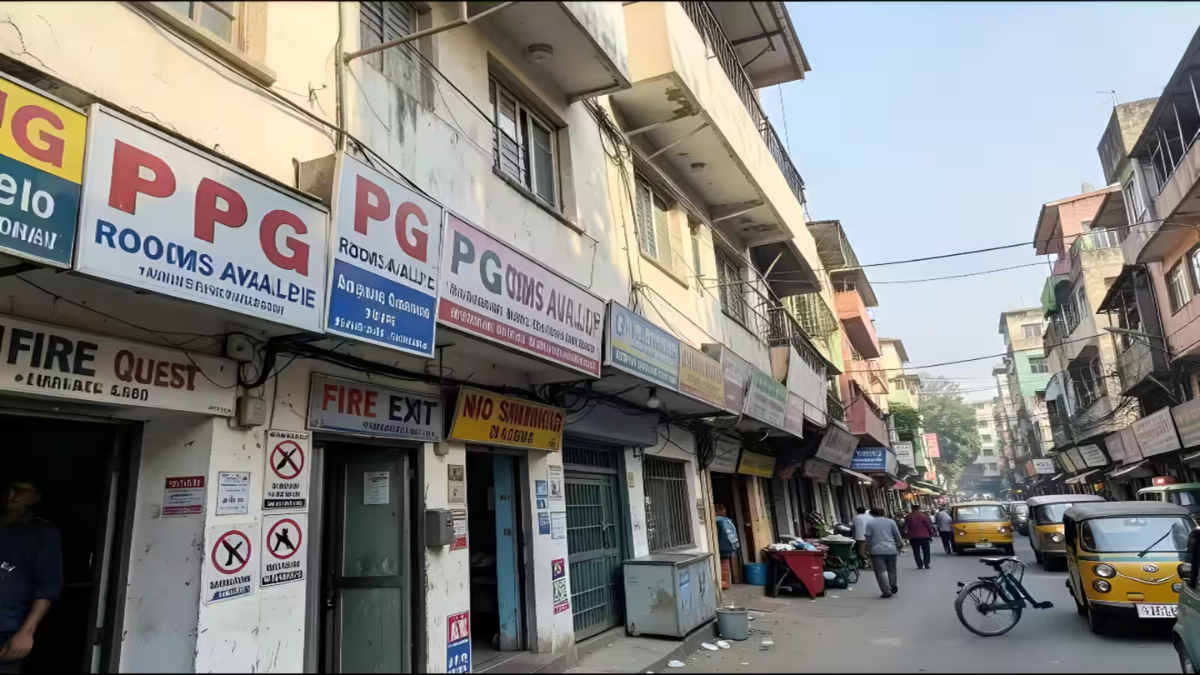
New Delhi | October 20, 2026: Only 53 out of 2,457 paying guest (PG) accommodations surveyed across Delhi have submitted structural safety certificates to the Municipal Corporation of Delhi (MCD), raising fresh concerns about the safety of thousands of occupants living in such properties.
The civic body launched the inspection drive following the September 6 collapse of a PG facility in Satya Niketan, which killed seven people and critically injured six others. The exercise was also carried out following directions from the Delhi High Court.
MCD Survey Finds Major Compliance Gap
MCD surveyed 2,457 PG accommodations across its 12 zones and asked owners and occupants to obtain fresh structural safety audits from engineers empanelled with the civic body.
However, only 53 establishments had submitted the required safety certificates so far. MCD has given property owners time until the end of October to complete the process.
The low response has put the spotlight on the structural condition and regulatory compliance of PG properties across the capital.
Why Structural Safety Checks Matter
Structural audits are designed to assess a building's stability, structural health, safety and load-bearing capacity and can identify defects that may not be visible during a routine inspection.
For PG operators, the exercise is particularly important because residential buildings may accommodate a large number of occupants, increasing the consequences of structural failures or unauthorised alterations.
Action Against Non-Compliant PGs From November
MCD officials said the civic body will begin sending reminders to establishments that fail to submit the required certificates after the October deadline.
Further action against defaulters is expected from November, in accordance with applicable rules and procedures.
The enforcement process could increase scrutiny of PG buildings that lack proper approvals, safety documentation or compliance with sanctioned building plans.
Limited Number of Structural Engineers Slows Audits
One challenge facing the exercise is the limited number of structural engineers empanelled with MCD.
The civic body does not have an in-house system for conducting structural audits, meaning property owners must arrange assessments through empanelled professionals. Officials said completing the audits takes time because of the limited availability of qualified engineers.
Satya Niketan Collapse Triggered Wider Scrutiny
The inspection drive followed the collapse of a PG facility in Satya Niketan on September 6. The incident prompted the Delhi High Court to direct MCD to examine PG accommodations for construction permissions, compliance with building bylaws and required safety and statutory approvals.
The incident has also intensified concerns around the safety of buildings being used for accommodation by students, workers and other tenants.
Delhi Considers Stricter Rules for Older Buildings
The current exercise could eventually lead to a broader policy change. MCD and the Delhi government are working on a stricter framework for periodic structural audits and safety certifications, particularly for older buildings being used for public or high-occupancy purposes.
Under the Delhi Municipal Corporation Act, 1957, there is no specific requirement for routine structural audits of every ageing private building. However, Section 348 gives municipal authorities powers to inspect, repair or demolish structures considered dangerous or ruinous.
What Property Owners and PG Operators Should Watch
For owners operating PGs, the growing regulatory focus means structural safety documentation could become an increasingly important compliance requirement.
Property owners should ensure that their buildings have valid construction permissions, comply with sanctioned plans and building regulations, and maintain appropriate safety documentation. For tenants, the development also highlights the importance of checking the condition and regulatory status of accommodation before moving in.
What happens next: MCD is expected to continue collecting certificates through October, followed by reminders and enforcement action against non-compliant PG establishments from November. The proposed policy for periodic structural audits could bring additional obligations for owners of older and high-occupancy properties.