
Mumbai Construction Work Faces Stricter Scrutiny as Air Pollution Worsens
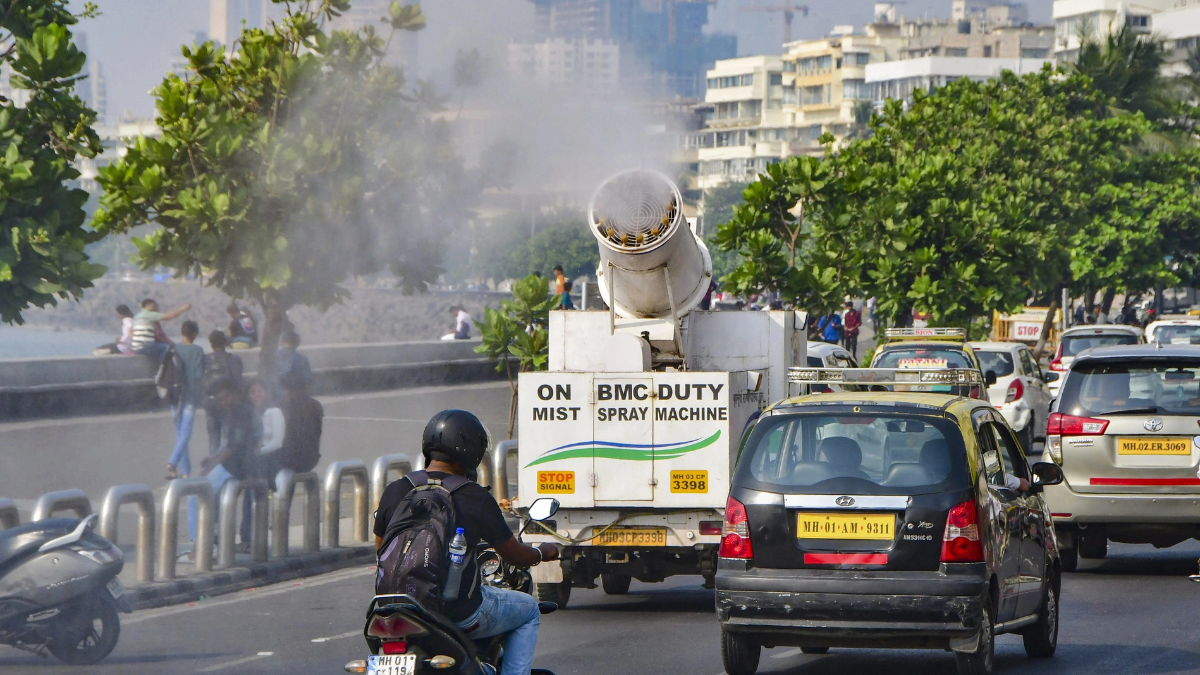
Mumbai | October 20, 2026: Mumbai’s deteriorating air quality is putting construction and redevelopment projects under renewed scrutiny, with the Brihanmumbai Municipal Corporation (BMC) empowered to take action against sites that fail to comply with mandatory pollution-control measures.
For developers, the issue is no longer limited to installing dust-control equipment. Construction sites are required to monitor air quality, follow prescribed measures and act when pollution levels exceed permissible limits. Persistent non-compliance can lead to work being stopped.
When Can Construction Work Be Suspended?
The BMC’s air-pollution framework links stronger restrictions to the severity and persistence of poor air quality.
Under the civic body’s Standard Operating Procedure for implementing the Graded Response Action Plan (GRAP), Stage IV measures are triggered when Mumbai’s city-level or local-area AQI remains above 200 for three consecutive days.
Separately, BMC’s construction-site guidelines allow action against sites where prescribed pollution-control measures are not being followed. The civic body has stated that polluting work sites can be stopped when pollution is not controlled despite instructions and corrective measures.
Construction Sites Must Monitor Air Quality
BMC has made sensor-based air-quality monitoring an important part of its construction pollution-control framework.
Construction projects are required to install monitors capable of measuring PM2.5 and PM10, with real-time pollution data displayed through an LED board at the site. The monitoring system is also intended to allow the civic body to track pollution levels centrally. BMC
This means developers have to demonstrate not only that pollution-control equipment is present but also that the site is being monitored and managed according to prescribed requirements.
What Developers Must Do to Control Dust
BMC’s revised 28-point guidelines cover several stages of construction and demolition.
Measures include enclosing construction sites with appropriate dust or wind-breaking barriers, covering buildings under construction with green cloth, jute sheets or tarpaulin, regularly sprinkling water and using fogging during excavation and material handling. Construction and demolition waste also has to be transported according to the approved waste-management plan. BMC
The requirements are designed to control dust generated from excavation, demolition, movement of vehicles and handling of construction materials.
Poor Compliance Can Put Projects at Risk
BMC has indicated that ward-level officials monitor construction sites and issue instructions where pollution-control measures are inadequate.
If pollution is not brought under control, the civic body can initiate action to stop the polluting work. The enforcement framework therefore creates a direct link between site-level compliance and the ability to continue construction activity. BMC
For developers, an interruption can have wider consequences, including labour and equipment costs, scheduling disruptions and possible pressure on project completion timelines.
Why AQI Matters for Homebuyers
The issue is also becoming relevant for people purchasing homes in Mumbai.
While seasonal deterioration in air quality may not automatically change buying decisions, persistent pollution can influence how buyers evaluate neighbourhoods, particularly when a property is close to industrial activity, major infrastructure works or other significant sources of emissions.
For buyers, AQI is increasingly becoming another factor to consider alongside location, connectivity, amenities, price and construction quality.
Construction Costs May Not Be the Biggest Concern
Pollution-control measures themselves may add only a relatively small amount to construction expenditure, but prolonged suspension of work can create larger financial pressures.
Developers may face higher costs if projects remain idle because of regulatory restrictions, particularly when construction schedules are already tight.
The situation also comes at a time when developers are closely watching the impact of GRAP restrictions on construction activity and project cash flows.
What Property Owners and Developers Should Watch
Developers operating in Mumbai should keep a close check on AQI levels, ensure required monitoring systems are functional and maintain compliance with BMC’s dust-control measures.
Homebuyers considering properties near major construction zones should also pay attention to the area's air-quality trends rather than relying only on a single day's AQI reading.
What happens next: If pollution levels remain elevated, enforcement at construction sites is likely to intensify. Projects that fail to meet prescribed pollution-control requirements could face notices and, where necessary, suspension of polluting activities.