
Chalet Hotels Expansion Could Drive New Hospitality and Commercial Real Estate Demand Across Major Cities
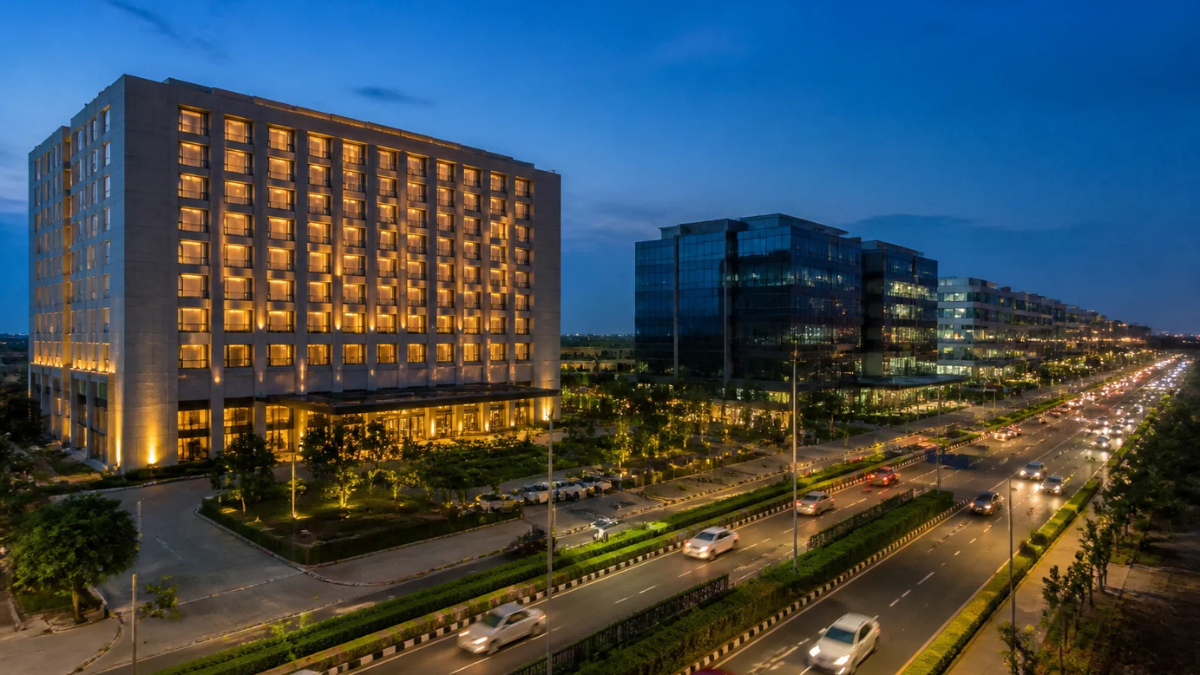
New Delhi, Delhi | September 8, 2026: Chalet Hotels is planning a major expansion of its hospitality portfolio, targeting around 5,500 hotel keys by FY30 from the current 3,389 operational keys. The expansion could create fresh opportunities for hospitality-led development, commercial real estate and strategically located land parcels across major Indian cities.
2,300 New Hotel Rooms Are in the Pipeline
Chalet Hotels has an announced pipeline of nearly 2,300 additional hotel keys, which would take its overall portfolio to around 5,500 rooms.
The upcoming projects include a 380-room Taj hotel at Delhi Airport, with around 70 rooms expected to open by the end of the current financial year. Ritz-Carlton Hyderabad, Hyatt Regency Airoli and a Udaipur hotel are targeted for FY29, while the Pune Yerawada project is planned for FY31.
For the real estate sector, every new hotel project can generate demand for construction, retail, restaurants, transport, services and other commercial activities around the development.
Hybrid Model Could Create More Opportunities for Property Owners
Chalet is moving beyond its traditional asset-ownership model and is now pursuing a combination of third-party-operated hotels, franchise properties and its own Athiva brand.
This shift is important for landowners and developers because hotel growth does not necessarily require the hospitality company to own every property. Strategically located land and commercial assets could potentially be developed through franchise or operating partnerships with established hospitality brands.
Athiva Pipeline Crosses 1,200 Keys
Chalet's Athiva brand, launched in 2025, initially had a pipeline of around 900 keys. With new projects in Pune and Hyderabad, its pipeline has grown to around 1,200–1,300 keys.
The company plans to remain focused on expanding Athiva rather than introducing another hotel brand.
For developers, this creates another potential route to monetise well-located land through branded hospitality projects without building an independent hotel brand.
Airport and Business Corridors Could See More Property Demand
Several projects are planned in locations with strong business and connectivity potential. The Delhi Airport project, for example, could strengthen hospitality activity around one of the country's major commercial and aviation hubs.
Similarly, new hotels in Hyderabad, Pune and the Mumbai Metropolitan Region could add demand for surrounding commercial spaces and supporting real estate.
The impact on nearby property prices, however, will depend on actual hotel occupancy, business activity, connectivity and the broader development of each location.
Chalet Is Also Expanding Its Commercial Real Estate Portfolio
Hospitality remains Chalet's core business, but the company already has around 2.4 million sq ft of operational commercial space and another 900,000 sq ft under construction.
Its total commercial portfolio is expected to reach around 3.2–3.3 million sq ft.
This gives the company's expansion a wider real estate impact, particularly across office and mixed-use commercial locations.
What This Means for Developers and Investors
The expansion could benefit developers holding land or properties in locations with strong corporate, airport and tourism demand.
Hotel-led development can also increase the attractiveness of surrounding properties by creating employment, improving commercial activity and encouraging supporting infrastructure.
However, investors should assess each location separately rather than assuming that a new hotel automatically guarantees higher property values.
A More Flexible Model Could Support Faster Expansion
Chalet is also evaluating additional greenfield and brownfield opportunities beyond its announced pipeline. At the same time, the company says it expects to execute its existing expansion plans without substantially increasing debt.
For India's hospitality real estate market, the combination of new hotel supply, branded development and flexible ownership models could encourage more developers and landowners to explore hospitality as an alternative use for strategically located assets.
The Bigger Real Estate Impact
Chalet's 5,500-key target is more than a hotel expansion plan. It signals continued investment in hospitality-linked real estate across major urban markets.
For property owners, the opportunity lies in identifying locations where hotel demand can support land values and commercial activity. For developers, partnerships with established hospitality brands could provide another way to unlock land value. For investors, the key will be whether new hotel supply is matched by sustainable demand in each market.