
Kanpur KDA Has 5600 Flats Unsold After 10 Years Despite Price Cuts
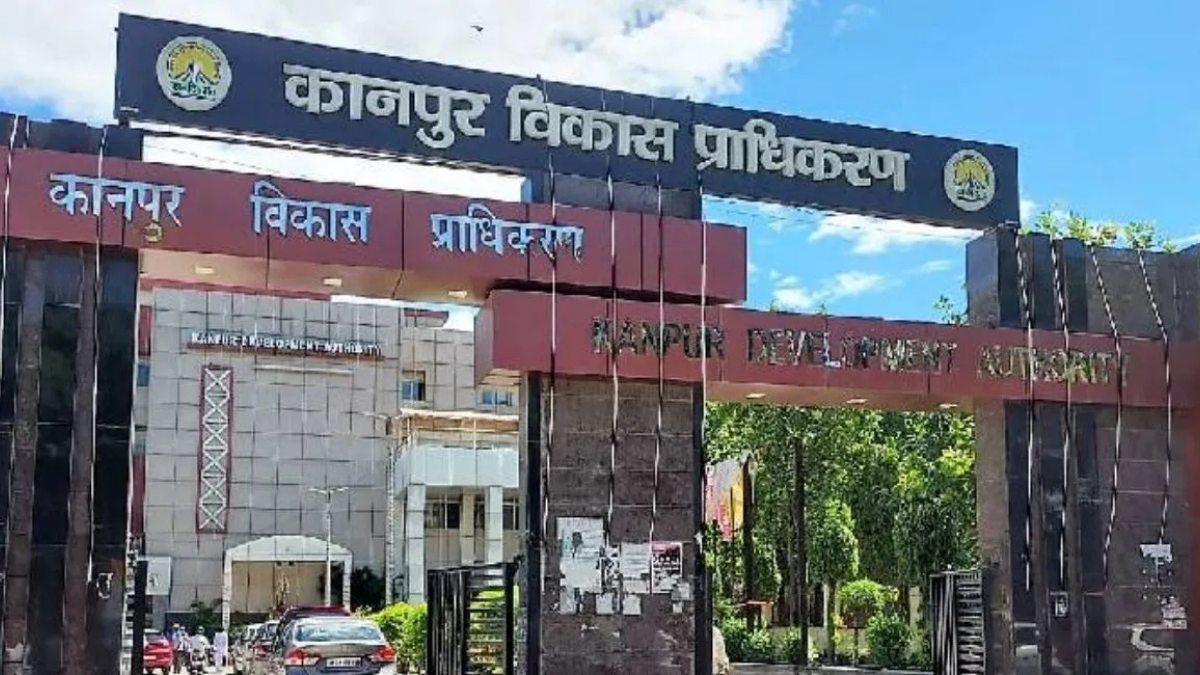
Kanpur, Uttar Pradesh | September 8, 2026: Kanpur Development Authority (KDA) is struggling to sell thousands of flats built under its residential schemes, highlighting how location, infrastructure and actual housing demand can matter as much as price in determining whether a project succeeds.
Around 5,600 flats across 10 KDA housing schemes remain unsold even after nearly a decade, while only 68 units were sold between April and August 2026 despite price reductions of up to 23.19%. The unsold inventory could generate around ₹1,400 crore for KDA if sold. Earlier in April, KDA had approved revised prices based on older rates, with reductions ranging from 4.60% to 23.19%.
Price Cuts Have Failed to Solve the Demand Problem
KDA reduced prices in an attempt to attract buyers, but the limited sales indicate that affordability alone may not be the main obstacle.
The revised prices for the remaining flats range from around ₹8.86 lakh to ₹28.50 lakh, depending on the project, unit type and floor. KDA has also offered possession after payment of 20% of the cost for EWS units and 25% for other flats.
For homebuyers, this creates an opportunity to access relatively lower-priced housing, but the slow absorption rate also signals that buyers need to carefully evaluate the locality before treating a discounted flat as a bargain.
Location Has Become a Major Problem
The affected projects are concentrated in areas including Shatabdi Nagar and Jawaharpuram, where the original developments were created in locations that reportedly lacked sufficient surrounding population and demand.
This is an important lesson for the wider real estate sector. A lower-priced home may still struggle to attract buyers if residents face weak connectivity, limited social infrastructure, poor maintenance or a lack of nearby employment and commercial activity.
Poor Maintenance Could Further Hurt Property Demand
The long period of unsold inventory has also created another challenge. Reports indicate that some buildings have suffered from inadequate maintenance, with issues involving plaster, lifts, lighting and roads.
For buyers, the condition of common areas and availability of essential services can directly influence both the decision to purchase and the future resale or rental potential of a property.
For KDA, maintaining vacant housing also creates an ongoing financial burden while the authority continues spending on security and upkeep.
KDA Could Unlock ₹1,400 Crore From Unsold Homes
If the remaining inventory is successfully sold, KDA could generate approximately ₹1,400 crore in revenue. The authority has been conducting campaigns, advertisements and camps for several years to improve sales.
The revenue could potentially strengthen KDA's ability to undertake new development and infrastructure projects. However, selling the existing inventory quickly may require more than discounts if the underlying demand and location issues remain unresolved.
The Project Raises Questions About Demand Planning
The situation also highlights the risks of developing large housing inventories without adequately assessing future demand.
KDA constructed more than 12,000 flats across several schemes, but a substantial portion remains unsold. Earlier reporting had also pointed to significant unsold inventory across the authority's residential projects.
For government development authorities and private developers, the case underlines the importance of conducting detailed demand surveys before launching large housing projects.
What This Means for Kanpur Homebuyers
For buyers looking for affordable housing, KDA's discounted inventory could appear attractive, particularly because some units are available at prices below their earlier rates.
But buyers should not evaluate these properties only on the basis of the discount. Connectivity, occupancy levels, maintenance, nearby schools and healthcare, employment hubs, public transport and future infrastructure should all be checked before making a purchase.
A low entry price does not automatically translate into strong appreciation or rental demand.
A Warning for Developers About Unsold Housing
The KDA experience offers a broader signal for Kanpur's residential market. Large-scale housing supply can remain stuck for years when it is not aligned with where people actually want to live.
For developers and housing authorities, the priority should therefore shift from simply increasing housing supply to building projects around genuine demand, connectivity and supporting infrastructure.
The next test for KDA will be whether its latest price reductions and sales efforts can finally convert the large inventory into occupied homes. The outcome could provide a useful indication of how much demand exists for affordable housing in Kanpur's developing peripheral areas.