
Shinjuku Vacation Rental Ban Could Reshape Tokyo Property and Rental Market
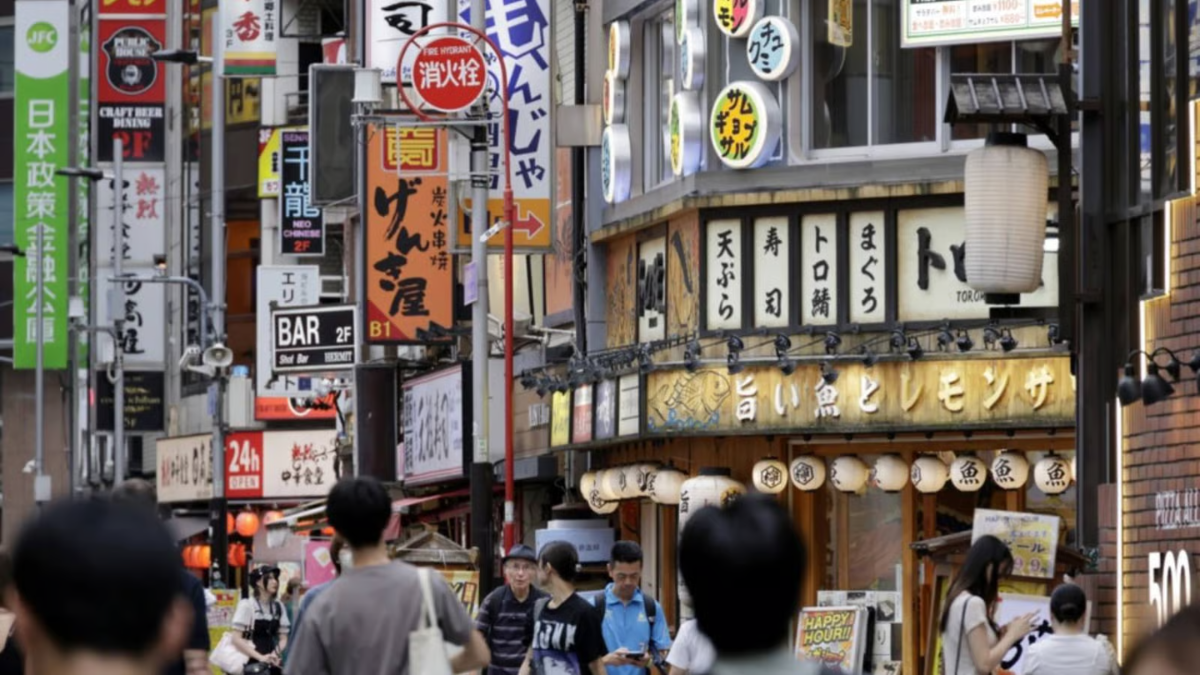
Tokyo, Japan | September 8, 2026: Tokyo’s Shinjuku ward is preparing to tighten rules on vacation rentals, with more than half of the area’s short-term rental properties potentially forced to shut down. The move could affect around 2,000 properties and may have wider implications for landlords, investors and the long-term rental housing market.
Why Shinjuku Is Tightening Vacation Rental Rules
Shinjuku has one of Japan’s largest concentrations of short-term rental properties, with nearly 4,000 registered listings. Rising complaints over noise, waste disposal, smoking and other problems have pushed the ward toward stricter regulation.
The proposed rules would generally prohibit vacation rentals in residential-only zones and designated educational areas. Existing properties would also be covered, although exceptions could apply in certain cases, including owner-occupied properties that meet management requirements.
Around 2,000 Properties Could Be Affected
The proposed restrictions could force roughly 2,000 existing vacation rentals to stop operating. Shinjuku recorded 1,334 complaints involving registered and illegal minpaku operations in fiscal 2025, highlighting the growing pressure on local authorities.
For landlords relying on tourist accommodation income, the change could mean lower rental earnings or the need to shift properties toward conventional long-term leases.
Long-Term Rentals Could Gain From the Shift
One potential benefit for the residential property market is that some homes currently used for short stays could return to the long-term rental pool.
This could give local tenants more housing options, while landlords may have to reconsider whether conventional residential leasing offers a more stable business model than short-term accommodation.
Property Investors Face a Bigger Regulatory Risk
The development is a warning for investors who purchase properties primarily on the assumption that short-term rentals will remain permitted.
Regulatory restrictions can directly affect rental yields, occupancy models and property valuations. Investors therefore need to examine zoning rules and local accommodation regulations before buying properties intended for tourist rentals.
Tokyo’s Tourism Growth Is Creating a Property Policy Challenge
Japan is targeting 60 million international visitors by 2030, but the rapid growth in tourism has also intensified concerns around overcrowding, housing availability and neighbourhood disruption.
The issue is increasingly relevant to property markets because cities must balance tourist accommodation with housing for permanent residents. The European Union is also considering measures that could allow tighter controls on short-term rentals in housing-stressed markets.
Commercial Areas Could Also See New Limits
Shinjuku is considering reducing the maximum operating period for vacation rentals in commercial districts from 180 days to 120 days annually.
That could reduce the attractiveness of some properties as short-term accommodation investments, particularly where returns depend heavily on high tourist occupancy.
What This Means for Property Owners and Investors
The Shinjuku proposal shows how governments may increasingly use zoning and local regulations to control the growth of short-term rentals. For property investors, the key takeaway is that tourism demand alone may not guarantee rental returns.
Owners should monitor the final ordinance, check whether their property falls within restricted zones and evaluate long-term rental alternatives before making investment decisions. The proposed changes are expected to move through the local legislative process, with implementation targeted for around summer 2027.