
Mumbai Slum Redevelopment Push Could Unlock New Property Opportunities Across the City
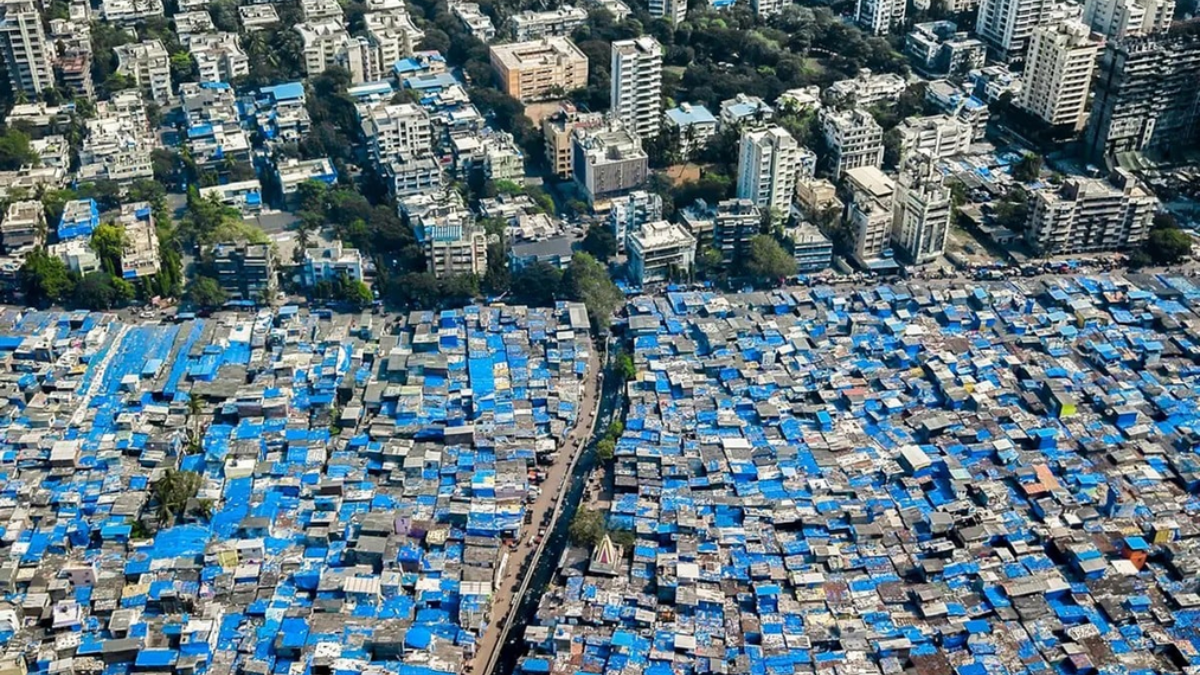
Mumbai, Maharashtra | September 8, 2026: Maharashtra Chief Minister Devendra Fadnavis has set an ambitious target of making Mumbai slum-free within the next 10 years through large-scale cluster redevelopment, Dharavi redevelopment and the renewal of ageing MHADA colonies. The plan could become a major turning point for Mumbai’s real estate market by bringing more land into planned development and creating new housing and commercial opportunities.
Cluster Redevelopment Could Change Mumbai’s Property Supply
The proposed approach moves away from small, plot-by-plot redevelopment and focuses on larger clusters that can be planned as integrated neighbourhoods. Such projects can combine rehabilitation housing with roads, open spaces, utilities, commercial areas and social infrastructure.
For developers and investors, this could create larger development opportunities in a city where land availability remains one of the biggest constraints.
Why the Plan Matters for Property Owners
Cluster redevelopment can potentially improve the utilisation of underused or fragmented land parcels. Older buildings, slum pockets and adjoining properties can be brought under a common development plan, allowing infrastructure to be designed at a larger scale.
For existing property owners, the long-term benefit could include better roads, amenities and neighbourhood infrastructure, although the actual benefit will depend on project design, eligibility and execution.
Dharavi Could Become the Biggest Test Case
Dharavi is expected to be a key part of the government's redevelopment strategy. Fadnavis has said the first 10,000 rehabilitation homes under the Dharavi project are targeted for completion by early 2029.
The project covers a large residential and commercial ecosystem, making its execution important not only for rehabilitation but also for Mumbai's wider property market. Successful implementation could demonstrate whether large-scale redevelopment can be delivered without disrupting existing communities and economic activity.
Developers Could Get a Larger Redevelopment Pipeline
The cluster model could open opportunities for developers with the financial capacity and execution experience to undertake large projects. Mumbai's earlier cluster framework allows large slum-dominated parcels to be brought under integrated planning, potentially creating saleable development alongside rehabilitation housing.
This could increase the pipeline of redevelopment projects across the city, particularly in areas where fragmented ownership and ageing structures have historically slowed redevelopment.
Mixed-Use Development Could Boost Local Property Values
The government's redevelopment vision extends beyond housing. It includes mixed-use development with residential and commercial spaces, recreational facilities, open areas and improved transport infrastructure.
For property owners and investors, better infrastructure and amenities can improve the long-term attractiveness of surrounding neighbourhoods. However, any increase in property values will depend on actual execution, connectivity, demand and the quality of the completed development.
Execution Remains the Biggest Risk
Making Mumbai slum-free in a decade is a much larger challenge than announcing redevelopment projects. Rehabilitation eligibility, resident relocation, land ownership, financing, approvals, litigation and construction timelines can all affect project delivery.
Experts have also pointed to broader economic conditions and property-market demand as important factors. This means developers and investors should view the 10-year target as a long-term redevelopment opportunity rather than an immediate change in Mumbai property prices.
What Mumbai Property Buyers and Investors Should Watch
The biggest opportunities are likely to emerge in areas where redevelopment is supported by transport upgrades, new commercial activity and large integrated projects. Buyers should therefore track official redevelopment approvals, project timelines, rehabilitation plans and infrastructure commitments before making investment decisions.
If executed effectively, Mumbai's cluster redevelopment strategy could gradually replace fragmented urban settlements with planned neighbourhoods while unlocking new residential and commercial real estate supply. The scale of the opportunity is significant, but its impact will ultimately depend on how efficiently projects move from policy announcements to completed developments.