
Tamil Nadu Housing Board Shifts to Demand Based Housing to Cut Unsold Inventory
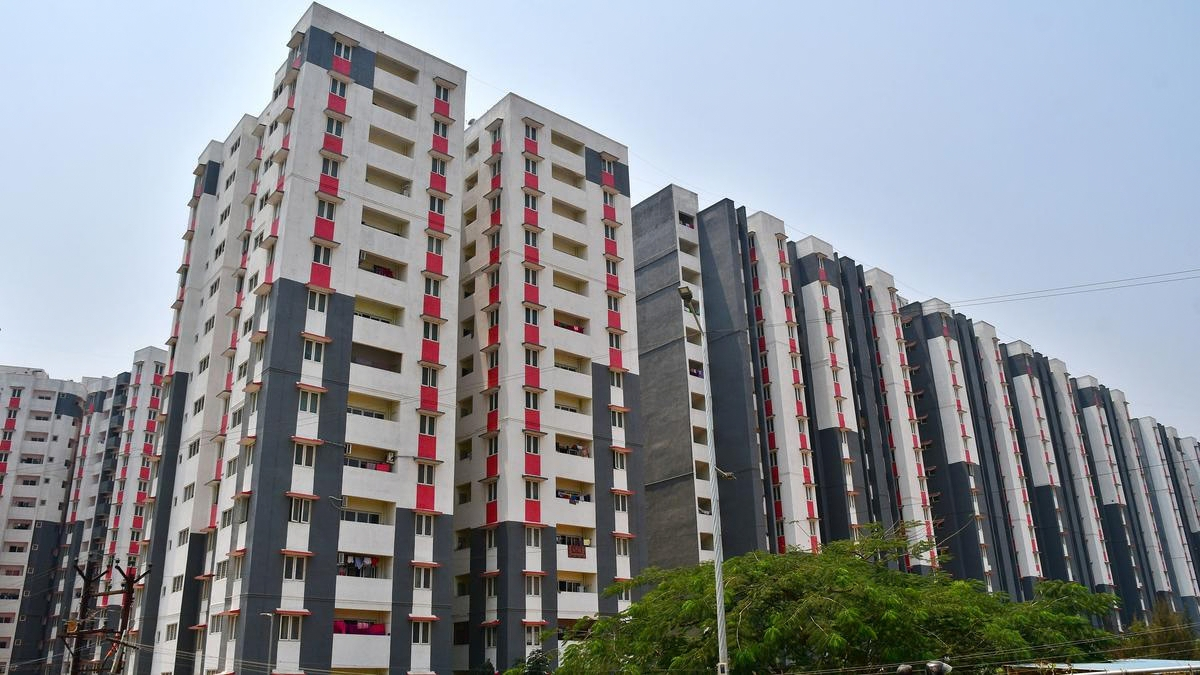
Chennai, Tamil Nadu | September 25, 2026: The Tamil Nadu Housing Board (TNHB) is changing how it plans self-financing housing projects, moving toward a demand-led model designed to reduce unsold homes and plots.
Instead of constructing homes first and searching for buyers later, TNHB will assess demand for one-, two- and three-bedroom homes and other housing categories before finalising projects. The shift comes after the board accumulated a large inventory of unsold properties, although officials said most of the earlier 7,000 unsold plots and flats have now been sold.
What Is Changing in TNHB Housing Projects
Under the new approach, TNHB will first determine what prospective buyers actually want in a particular location.
Demand will be assessed for factors including:
- Preferred location
- Type of dwelling
- Number of bedrooms
- Other housing requirements
Only after demand is established will TNHB move toward finalising the project and opening the formal application process.
The objective is to align future construction more closely with actual buyer requirements rather than building a predetermined inventory.
New Digital Portal Will Track Buyer Demand
TNHB has launched a dedicated portal on its official website where prospective buyers can register their interest in proposed schemes.
Applicants can indicate their preferred:
- Location
- Housing type
- Dwelling requirements
However, the registration is only for demand assessment.
It does not give applicants any priority, preference or allotment rights. Once demand is finalised for a particular scheme, TNHB will open a separate application process and inform people who had earlier registered their interest.
Projects Planned Across Chennai and Tamil Nadu
TNHB has proposed housing projects at several locations, including:
- Anna Nagar
- Purasawalkam
- Nandanam
- Ernavur
Projects are also planned at Kundusalai in Cuddalore, Ellis Nagar in Madurai, Thirumazhisai in Tiruvallur and Vallankumaravilai in Kanniyakumari.
The demand-led approach will allow TNHB to assess the requirement for different housing categories before construction decisions are finalised at these and future locations.
Why This Matters for Homebuyers
For buyers, the model could change how TNHB projects are designed and sized.
If demand information is collected before construction, projects can potentially be planned around the actual mix of homes buyers are seeking in each location.
However, registering interest does not guarantee allotment or a future purchase opportunity. Buyers will still have to participate in the formal application and booking process once a project is launched.
Third Party Checks to Strengthen Construction Quality
TNHB is also introducing additional scrutiny of project designs and cost estimates.
After appointing an architectural firm, project designs, dwelling sizes, amenities, elevations and estimates will be prepared before construction.
TNHB engineers will review these documents before they are sent to an independent third party such as IIT or Anna University for further scrutiny.
The proposed checks will cover areas including:
- Structural stability
- Construction rates
- Quantities
- Project estimates
- Design and technical specifications
The identity of the external institution conducting the review will not be disclosed, according to the board's stated process.
Construction Could Become More Structured
TNHB plans to finalise key project specifications before inviting construction tenders.
Contractors would receive details such as the approved elevation, unit sizes and structural drawings and would primarily quote for execution.
The board expects this approach to reduce delays caused by changes or unresolved specifications during construction.
After work begins, allottees will also be able to monitor project progress, giving buyers greater visibility into construction.
What Happens Next
TNHB will first use registrations on its demand portal to determine the level and type of housing demand for individual schemes.
Once demand is established, the board will move through design, estimate preparation, technical vetting and project approval before inviting construction bids.
For Tamil Nadu homebuyers, the key change is that demand assessment will come before construction, potentially reducing the risk of future projects being built with a large mismatch between available homes and buyer requirements.