
Thrikkakara Saphalyam Housing Project Moves Toward DPR Approval for 78 EWS Families
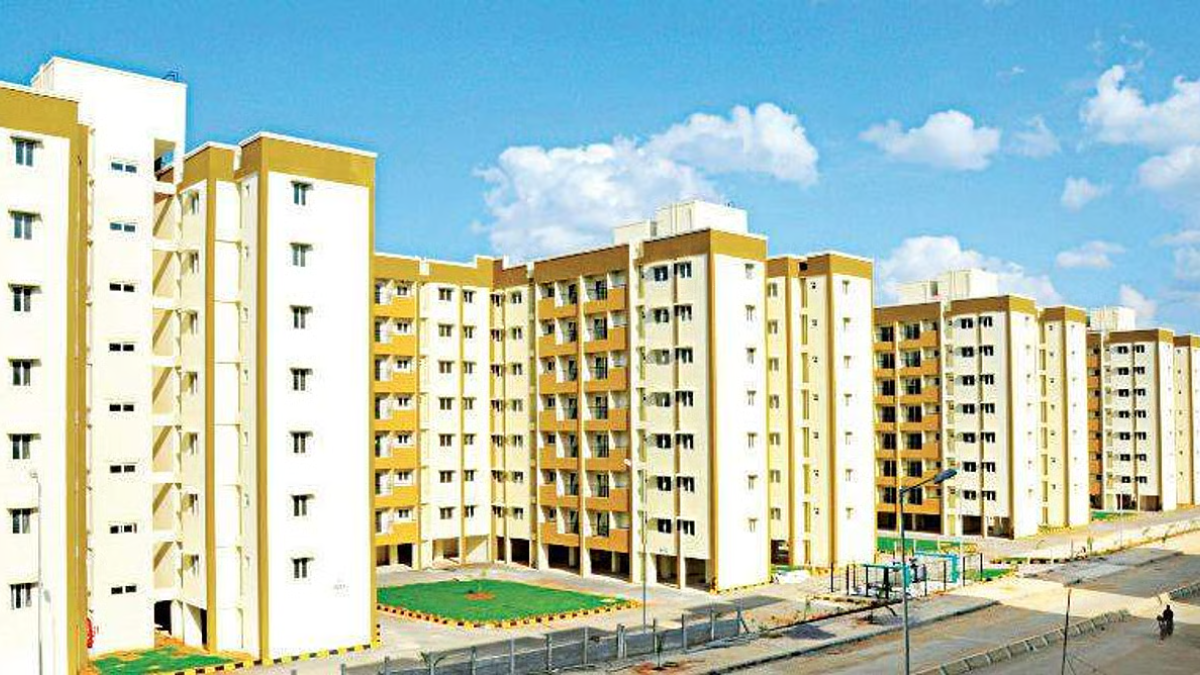
Kochi, Kerala | September 25, 2026: Thrikkakara municipality’s Saphalyam flat project for economically weaker families has moved closer to implementation, with the Detailed Project Report (DPR) expected to receive final approval after a preliminary decision was taken by local self-government authorities.
The proposed project will come up on 60 cents of municipal land at Vanachira in Kakkanad and is planned as two residential towers for 78 economically weaker families.
The project had remained stalled for years because of the classification of the municipal land, but the civic body now expects construction to move forward after the DPR receives final approval.
What Is Planned Under Saphalyam
The Saphalyam project is designed to provide permanent housing support to economically weaker families in Thrikkakara.
The current proposal includes:
- Two residential towers
- Housing for 78 families
- Development on 60 cents of municipal land
- Location at Vanachira, Kakkanad
- Estimated project cost of around ₹10 crore
The municipality will identify and select the beneficiary families for the project.
Land Classification Delayed Construction
The project faced a major regulatory hurdle because the land continued to be classified as agricultural.
According to the municipality, this restricted construction under the Kerala Conservation of Paddy Land and Wetland Act, 2008.
The municipality had purchased the land in 1995, when the area was under a panchayat, with the intention of using it for waste management.
In 2010, the local body received a government no-objection certificate for constructing buildings on the site, but the proposed housing project still did not materialise.
Project Cost Cut From ₹16 Crore Estimate
The municipality now expects to complete the project for approximately ₹10 crore, significantly below the earlier estimate of ₹16 crore.
The revised cost reflects efforts to optimise the project and reduce the financial burden associated with construction.
For a public housing project, controlling the development cost is particularly important because it determines how efficiently municipal resources can be used to create additional housing capacity.
78 Families Could Benefit From the Project
The project is targeted at economically weaker households, with the municipality responsible for selecting the beneficiaries.
An earlier survey had identified 59 individuals as being in extreme poverty.
The final beneficiary selection will therefore be an important step once the project moves beyond the DPR approval stage.
Why the Project Matters for Kakkanad
The proposed development will add a dedicated affordable housing project to the Kakkanad area, where residential development has expanded significantly over the years.
Using municipal land for EWS housing allows the local body to create housing capacity without acquiring another parcel for the project.
The two-tower format will also allow the municipality to accommodate 78 families within a relatively limited land area.
DPR Approval Is the Next Key Step
The municipality expects the DPR to receive final approval within one to two months.
Once approved, the local body can move toward the subsequent implementation stages and work toward starting the housing project.
The municipality has expressed confidence that the project can now be taken forward after the earlier land-related obstacles and cost concerns are addressed.
What Happens Next
The immediate priority is final approval of the DPR.
After that, beneficiary selection, project execution and construction-related procedures will determine how quickly the two proposed towers can become operational.
For the 78 intended families, the project remains dependent on these approvals and subsequent implementation, but the DPR stage marks a significant step forward for a housing scheme that has faced delays for years.