
Pimpri Chinchwad Housing Societies Face Water Shortage Despite Full Pavana Dam
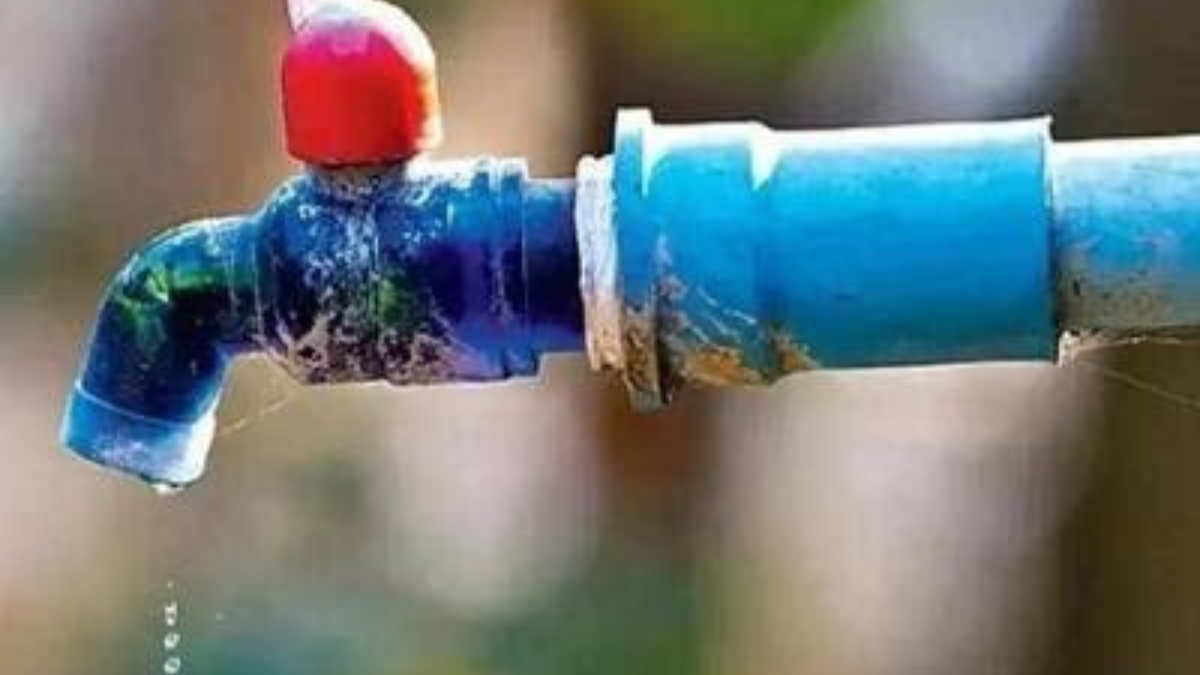
Pimpri Chinchwad, Maharashtra | September 25, 2026: Residents of housing societies across Pimpri Chinchwad are continuing to depend on private water tankers despite the monsoon season and a full Pavana Dam, prompting the civic administration to inspect affected societies within a week.
The issue has been reported across Wakad, Pimple Saudagar, Tathawade, Thergaon and Punawale, where residents say low-pressure and inadequate municipal supply is increasing their dependence on tankers.
36 Housing Societies Report Water Problems
The Pimpri Chinchwad Cooperative Housing Societies Federation submitted a list of 36 affected housing societies to the PCMC water supply department during a meeting between civic officials and society representatives.
Residents questioned why they continue to face water shortages when the city's primary water source, Pavana Dam, is at full capacity.
The problem is particularly significant during the monsoon because tanker demand would normally be expected to decline during this period.
PCMC Promises Site Visits Within a Week
PCMC officials have assured housing society representatives that teams will visit the affected properties within one week to assess the reasons for inadequate supply.
Federation president Sachin Londhe said residents have warned of protests if the promised inspections do not take place.
The proposed inspections are expected to help identify whether the problem is linked to municipal infrastructure, local distribution networks or individual property-level arrangements.
Civic Body Points to Newer Housing Projects
PCMC joint city engineer Ajay Suryawanshi said many of the societies that have complained are relatively new developments.
According to the civic administration, some of these projects were constructed with developer NOCs stating that the builder would manage water supply until municipal water lines reached the premises.
PCMC has therefore asked its officials to check the situation at individual societies rather than treating the shortage as a citywide supply problem.
Older Societies Say the Problem Is Not Limited to New Projects
The housing societies federation has disputed the suggestion that the shortage mainly affects newer developments.
Londhe cited his own society on Datta Mandir Road in Wakad, which was built in 2011, as an example of an older property facing severe supply problems.
He said the society is currently ordering four water tankers every day because municipal water supply is inadequate.
The conflicting accounts make the planned site inspections important for determining the actual cause of shortages at individual locations.
Why This Matters for Housing Societies and Buyers
Water reliability has a direct impact on the day-to-day functioning and operating costs of apartment communities.
For existing societies, prolonged tanker dependence can increase common maintenance expenses and make water management more difficult.
For prospective buyers in affected areas, the situation highlights the importance of checking:
- Frequency and pressure of municipal water supply
- Existing tanker dependence
- Society water-storage capacity
- Developer commitments regarding water infrastructure
- Status of municipal water connections
- Monthly water-related expenses
A property's municipal connection status should therefore be checked separately from the availability of water through private tankers.
Wakad, Punawale and Other Growth Areas Under Focus
The affected locations include some of Pimpri-Chinchwad's expanding residential areas, particularly Wakad, Punawale and Tathawade.
As housing development has expanded across these areas, the reliability and capacity of supporting infrastructure has become increasingly important for apartment residents and housing societies.
The current inspections could help establish whether shortages are caused by localised distribution constraints, incomplete municipal connections or other infrastructure issues.
What Happens Next
PCMC officials are expected to visit the identified housing societies within the next week and assess their water-supply conditions.
The outcome of those inspections will determine what corrective measures are required at individual locations.
For residents, the immediate issue is whether the promised inspections translate into improvements in water pressure, municipal supply and reduced tanker dependence, particularly as the city enters the post-monsoon period.