
Delhi Activates 125 C&D Waste Centres Ahead of Winter Pollution Season
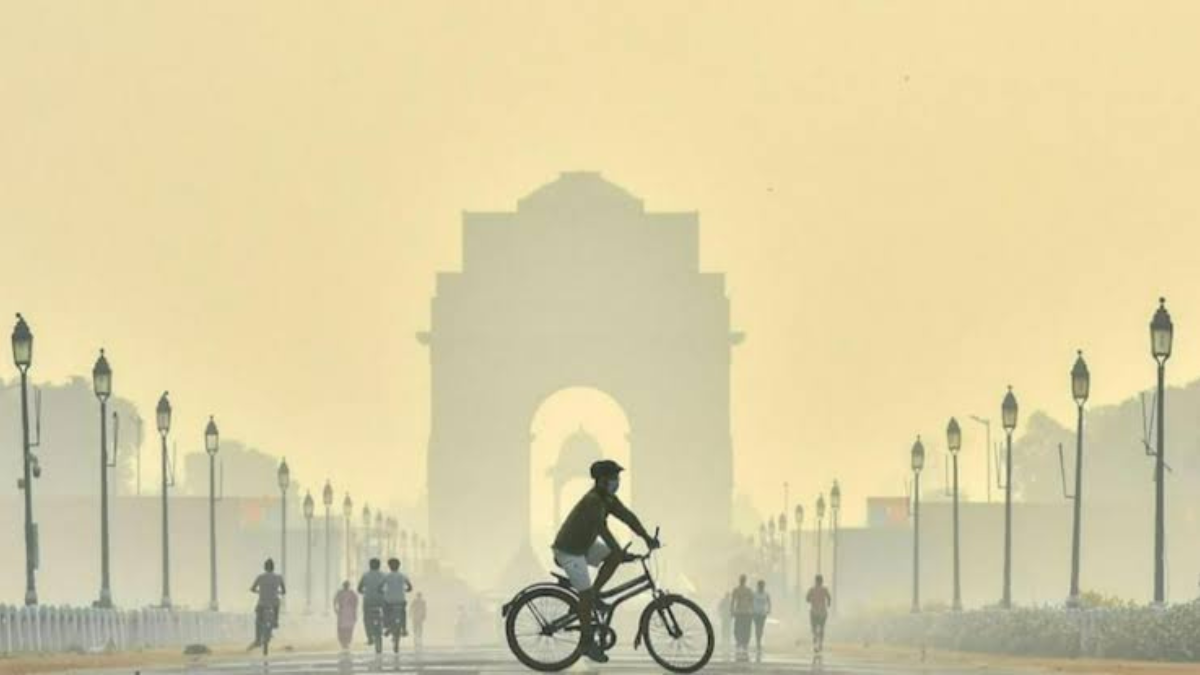
New Delhi | October 21, 2026: With Delhi's winter pollution season approaching, the Municipal Corporation of Delhi (MCD) has activated all 125 secondary collection centres for construction and demolition (C&D) waste across the city. The move is aimed at preventing illegal dumping of construction debris on roads and improving dust-control measures.
The civic body's expanded collection network comes as Delhi prepares for the seasonal rise in air pollution, with MCD also strengthening surveillance and transportation of construction waste to designated processing facilities.
All 125 Secondary Waste Centres Now Operational
MCD officials said all 125 secondary C&D waste collection centres are operational. As of October 1, 118 centres had signage and barricades or protective sheets, while 116 had water-sprinkling arrangements for dust suppression.
To prevent unauthorised dumping, 113 centres have also been equipped with 360-degree cameras.
Of the 125 centres, 88 have been registered on the Delhi Pollution Control Committee (DPCC) portal. Waste collected at the secondary centres is transported to C&D waste processing plants through the respective concessionaires.
Residents Can Get Up to 20 MT of Malba Removed Free
MCD has also expanded its free waste-lifting facility to make it easier for residents to dispose of construction debris legally.
Through the Delhi Malba Collection App, residents can request removal of C&D waste from their premises. MCD vehicles or registered transporters then collect the waste and transport it to a designated secondary collection centre without charging the waste generator for quantities of up to 20 metric tonnes.
The free limit was earlier only 1 MT but has now been increased to 20 MT following limited response to the earlier facility.
For quantities exceeding 20 MT, the waste generator will have to pay the applicable processing charges.
Delhi Generates Around 6,000 MT of C&D Waste Every Day
The scale of the challenge remains significant. Delhi generates approximately 6,000 MT of construction and demolition waste every day.
MCD currently operates four C&D waste processing plants at Burari, Rani Khera, Bakkarwala and Shastri Park, with a combined processing capacity of around 5,000 tonnes per day.
A fifth processing plant is under development at Tehkhand.
The processed material is converted into products such as coarse sand, fine sand, recycled aggregates and screened soil, allowing a portion of the construction waste to be reused instead of being sent to landfill or dumped illegally.
Construction Waste Being Recycled for Civil Works
MCD said screened soil is used for filling low-lying areas, while recycled aggregates and stone dust are being used to manufacture paver blocks, tiles and concrete blocks.
These recycled materials can be used for footpaths, berms, boundary walls and other civil works.
The civic body is also working to improve the efficiency of its existing processing plants and increase the recovery of usable material from construction waste.
New Multipurpose Vehicles Added for Dust Control
As part of its wider air-pollution mitigation measures, MCD has also introduced 12 newly procured truck-mounted multipurpose vehicles.
The vehicles are equipped with anti-smog guns, water sprinklers and jetting systems, with each vehicle carrying 7,000 litres of water.
Apart from dust suppression, the equipment can be used for road washing, drain jetting and cleaning public toilets.
Why This Matters for Delhi Property Owners and Developers
Construction and demolition activity is a major source of dust when debris is left uncovered or dumped on roads and open spaces. For property owners carrying out renovation or demolition work, using the designated collection system can help avoid illegal dumping and related enforcement action.
For developers and construction companies, the expansion of collection and processing infrastructure also means greater emphasis on compliant handling of C&D waste.
The initiative could be particularly important during the winter months, when dust, construction activity and other pollution sources can combine to worsen Delhi's air quality.
What Happens Next
MCD is expected to focus on making the network of collection centres, registered transporters, monitoring teams and processing plants work as an integrated system.
For residents, the immediate change is straightforward: construction debris can be requested for collection through the Delhi Malba Collection App, with up to 20 MT eligible for free collection.
The larger objective is to move Delhi away from roadside dumping toward organised collection, scientific processing and greater reuse of construction waste.