
Bhopal Master Plan 2047 Faces Questions Over Land Requirement and Population Density
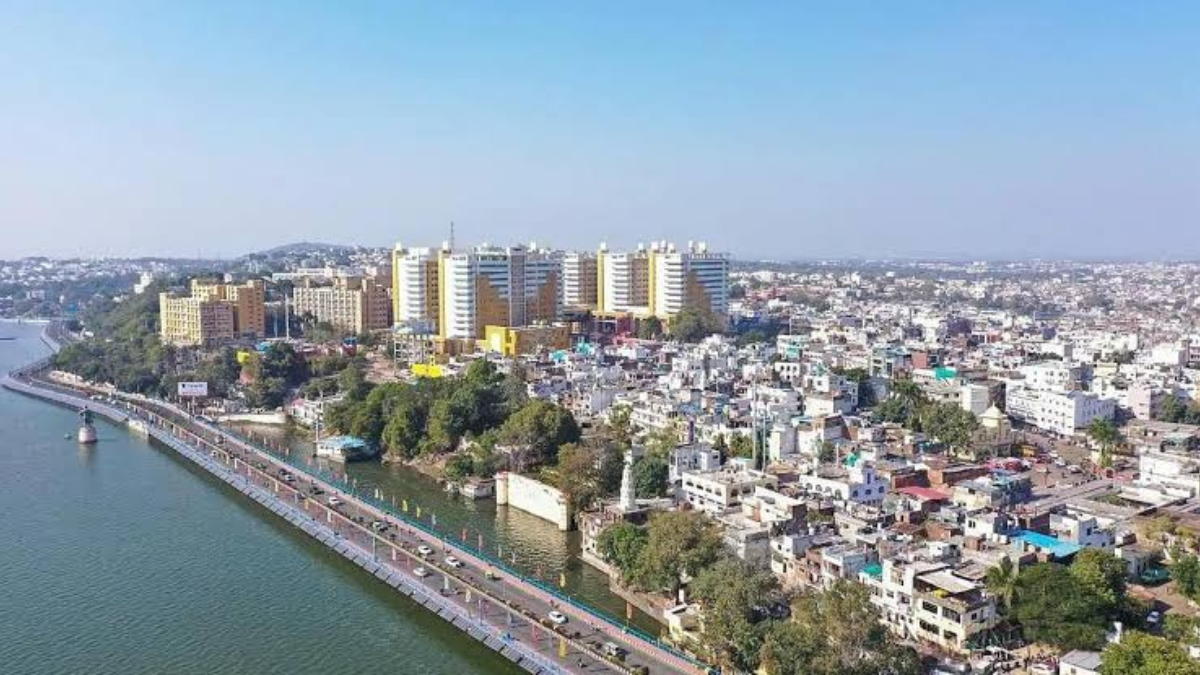
Bhopal | October 21, 2026: Bhopal’s proposed development roadmap up to 2047 is facing scrutiny over how much land the city will actually need to accommodate its projected population growth. A public objection has highlighted inconsistencies in the draft master plan’s population density figures, raising questions over the basis for its proposed urban expansion.
The draft plan aims to accommodate an additional 20 lakh people by 2047. It estimates that around 16,000 hectares would be required for this growth, based on a density of 125 persons per hectare. After accounting for 5,252.36 hectares identified as available, the plan arrives at an additional land requirement of 10,747.64 hectares.
The concern is that other sections of the same draft use different density figures, creating uncertainty over the assumptions behind the land calculations.
Different Density Figures Raise Questions
The draft reportedly mentions a residential density of 90.47 persons per hectare, while another figure presented in a box on the same page puts the density at 94.7 persons per hectare.
The discrepancy has been flagged in a public objection submitted ahead of the October 25 deadline for suggestions and objections to the draft plan.
Prof HM Mishra, former director of the National Institute of Governance and Urban Management, has sought clarification on how the different density assumptions have been used to calculate Bhopal’s future land requirement.
Why the Land Calculation Matters
The difference is more than a technical issue. Population density directly influences how much land a city needs for housing and other urban development.
Using 125 people per hectare produces a significantly different land requirement from calculations based on a density of around 90–95 people per hectare. For a plan extending to 2047, such differences could affect decisions on where the city expands and how much additional land is brought into the development area.
The objection has therefore called for the plan to clearly explain the methodology used for its population and land calculations.
URDPFI Guidelines Add to the Debate
The objection also refers to the Urban and Regional Development Plans Formulation and Implementation (URDPFI) Guidelines, which cite a density range of 125–175 persons per hectare for large cities in plain areas.
The concern raised is whether the draft adequately explains why its proposed density assumptions differ from these guidelines and how Bhopal’s geographical characteristics have been incorporated into the calculations.
A clearer explanation could help establish whether the proposed land requirement is based on a consistent planning framework or on different assumptions used in different sections of the document.
30,000 Hectares Under Proposed Development
Another issue raised in the objection concerns the proposal to develop around 30,000 hectares over the next 21 years.
Stakeholders are seeking clarity on how this figure relates to the projected increase in population, the city’s existing developed area and the additional land requirement calculated elsewhere in the draft.
The objection argues that these figures need to be presented together so that residents can understand the scale and direction of Bhopal’s planned expansion.
What It Means for Property Owners and Developers
For property owners, developers and investors, the final master plan could have a direct bearing on where future development activity takes place.
Changes in development boundaries, density norms and land-use planning can influence the potential of currently undeveloped areas, while also determining where new housing and infrastructure are likely to emerge.
However, until the population projections, density assumptions and land requirements are reconciled, it remains difficult to assess the exact impact of the proposed expansion on Bhopal’s property market.
What Happens Next
The draft master plan remains open to public objections and suggestions until October 25. The issues raised over population density and land requirements could become part of the review process before the plan is finalised.
For Bhopal’s property market, the key question is not simply how much the city will expand by 2047, but whether the land calculations supporting that expansion are based on one clear and consistent set of assumptions.