
US Single-Family Homebuilding Falls 4.6% as Building Permits Hit 3.5-Year Low
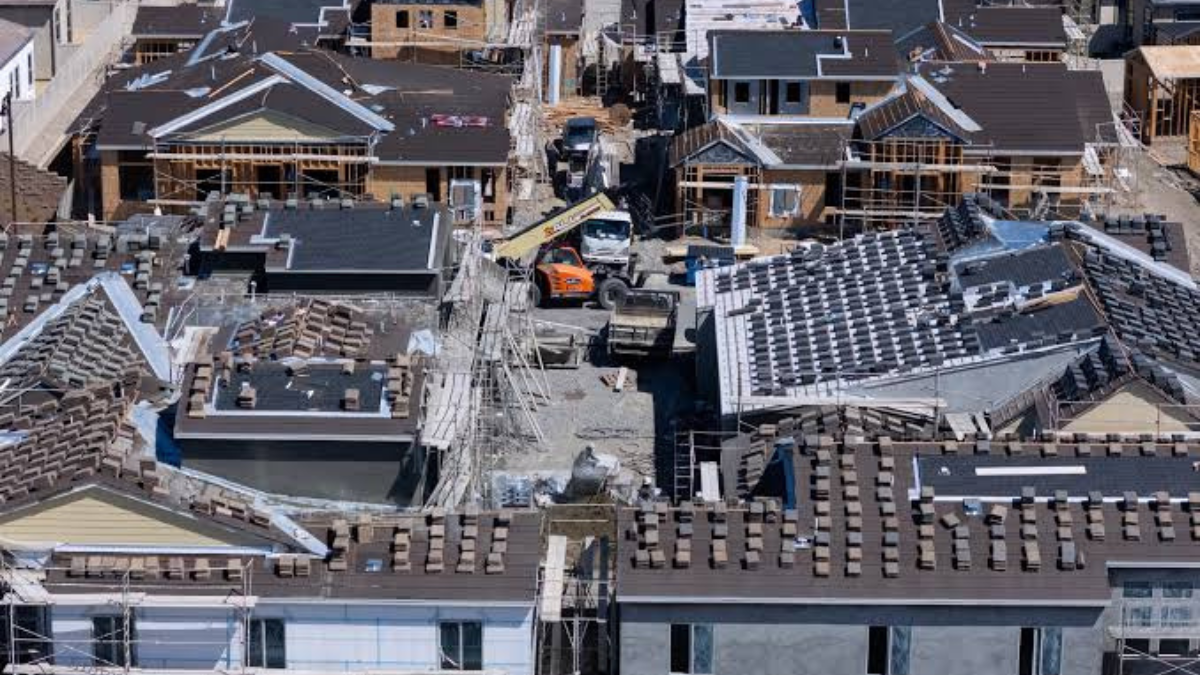
Washington | October 21, 2026: US housing construction weakened sharply in September as higher mortgage rates and elevated home prices continued to squeeze demand. Single-family housing starts fell 4.6%, while permits for future single-family construction dropped to their lowest level in three and a half years, signalling continued pressure on the US residential property market.
The latest data from the US Commerce Department comes as builder confidence has also deteriorated, raising concerns that residential investment could remain under pressure in the months ahead.
Single-Family Starts Fall to Lowest Level in a Year
Single-family housing starts declined 4.6% in September to a seasonally adjusted annual rate of 859,000 units, the lowest level since September 2025.
Construction activity fell across the South, Midwest and West, while the Northeast recorded an increase. Despite the monthly decline, single-family starts were still 2.6% higher than a year earlier.
Overall housing starts fell 5.2% to an annual rate of 1.221 million units, below the 1.305 million units economists had expected.
Building Permits Signal More Weakness Ahead
The slowdown was also visible in new building permits. Single-family permits declined 4% in September to an annual rate of 845,000 units, the lowest level since March 2023.
Permits fell across the Northeast, Midwest and South and were down 4.8% from a year earlier. Overall building permits declined 0.2% to 1.4 million units.
The weaker permit numbers suggest builders may remain cautious about starting new projects as demand continues to face affordability constraints.
Mortgage Rates Continue to Pressure Buyers
Higher borrowing costs remain one of the biggest challenges for the US housing market. The 30-year fixed mortgage rate averaged 7.40% last week, according to Freddie Mac, reaching its highest level in nearly three years.
With home prices still elevated, higher mortgage rates are making monthly payments increasingly difficult for buyers. The result is weaker buyer demand and growing pressure on builders to manage inventory.
Unsold Homes Create a Difficult Balance for Builders
Slower sales have contributed to an increase in unsold new homes, reducing the incentive for developers to start additional single-family projects.
At the same time, the US continues to face a housing shortage, which has helped keep property prices elevated. Builders therefore face a difficult situation: demand is constrained by affordability, but the underlying shortage means the need for additional housing remains significant.
The National Association of Home Builders' October survey showed single-family builder sentiment falling to its lowest level since June 2012, while buyer traffic also dropped to its weakest level since April 2012.
Multifamily Construction Also Shows Signs of Weakness
Construction activity outside the single-family segment was also mixed. Starts for projects containing five or more units fell 7.2% in September to an annual rate of 349,000 units.
Multifamily starts were down 25.9% compared with September last year. However, multifamily building permits increased 5.9% during the month to an annual rate of 503,000 units.
The contrasting figures suggest developers are becoming more selective about where and when they commit capital to new residential projects.
What It Means for the US Property Market
For homebuyers, the latest figures point to continued affordability pressure as mortgage rates remain high and home prices have yet to fall enough to offset the increased cost of borrowing.
For developers, weaker starts and permits could mean a more cautious construction pipeline, particularly in markets where unsold inventory is already building up.
For investors, the slowdown could eventually support a more balanced market by preventing excessive new supply. However, if high borrowing costs persist, weaker construction activity could also limit housing availability and keep prices under pressure.
What Happens Next
The direction of mortgage rates will remain crucial for the housing market. If borrowing costs stay elevated, builders are likely to continue adjusting construction plans to match weaker demand.
The September data also highlights a broader challenge for the US property market: the country needs more homes, but buyers are increasingly struggling to afford them. How quickly mortgage rates ease and whether construction costs come down will determine whether residential investment can regain momentum.