
Park Slope Property Sale Highlights the Challenge of Clearing Building Violations
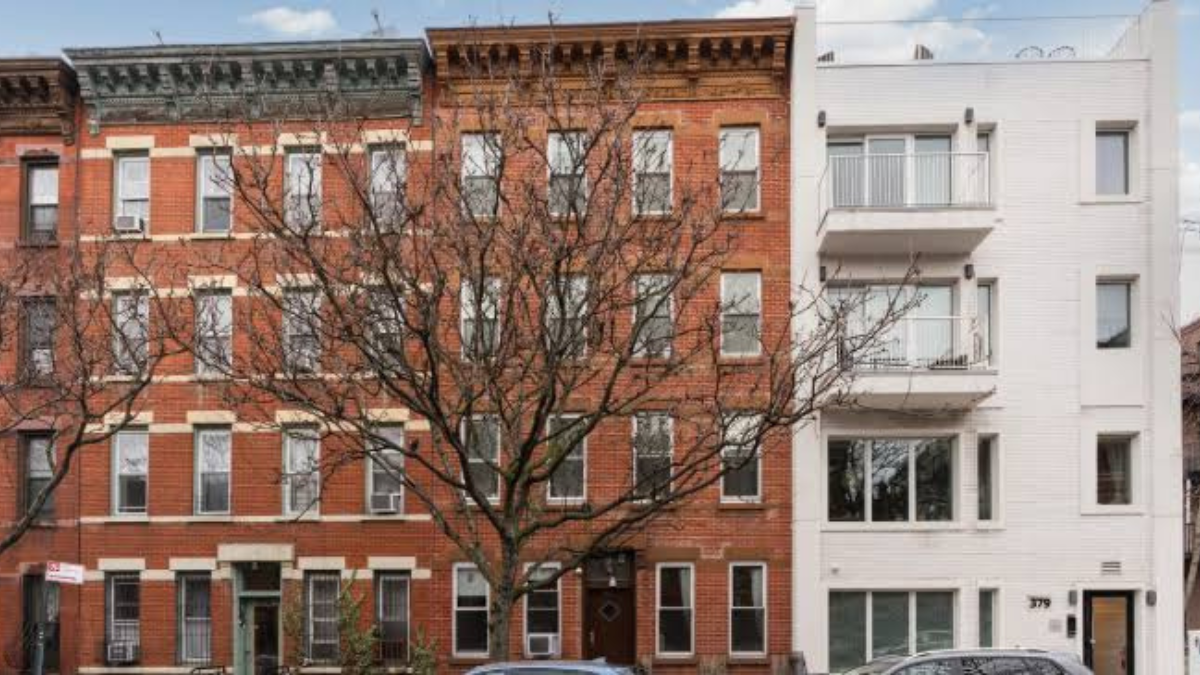
New York City, USA | October 21, 2026: A $3.25 million sale of an eight-unit building at 460 15th Street in Park Slope is drawing attention to the often-complex process of bringing properties with longstanding building violations back into compliance.
The property had reportedly remained boarded up for several years and carried more than 250 open violations. The new owner plans to renovate the building, resolve the violations and seek its removal from New York City's Alternative Enforcement Program.
A Troubled Property Changes Hands
The eight-unit Park Slope building was sold for $3.25 million despite its significant compliance and maintenance issues.
The property had been subject to the city's Alternative Enforcement Program, which focuses on buildings with serious housing or building-code concerns. Its condition means the new owner faces substantial work before the property can return to normal use.
More Than 250 Violations Need to Be Addressed
The building reportedly has more than 250 open violations, making compliance a major part of the property's redevelopment plan.
For the new owner, resolving the violations will involve addressing the underlying conditions, completing the required work and providing supporting documentation to the relevant city authorities.
The scale of the violations also illustrates why distressed multifamily properties can require considerably more investment after acquisition.
Renovation Will Be Key to the Property's Future
The buyer intends to carry out extensive renovations while addressing the outstanding violations.
For a property in an established Brooklyn neighbourhood such as Park Slope, bringing a neglected building back into usable condition could potentially unlock additional value. However, the renovation process can involve significant construction costs, regulatory approvals and time.
How Building Violations Are Cleared
A violation generally cannot simply be removed from a property's record because a new owner has taken possession.
The underlying condition must be corrected, required evidence must be submitted to the appropriate city department and any applicable civil penalties must be addressed.
Property records and violation histories therefore remain important due-diligence documents for buyers considering older or distressed buildings.
Park Slope Property Values Remain Strong
The transaction comes against a backdrop of relatively high residential property values in Park Slope.
The neighbourhood recorded a median home-sale price of about $1.7 million in Q3 2026, representing a 5.3% increase from a year earlier. At the same time, the number of recorded sales declined 18% year over year to 141.
The figures suggest that while property values remain elevated, transaction activity has become more selective.
What This Means for Property Buyers and Investors
The Park Slope deal highlights an important lesson for investors considering distressed multifamily properties: the purchase price is only the beginning of the investment calculation.
Open violations, deferred maintenance, required renovations and potential penalties can materially change the total cost of acquiring and upgrading a property.
Buyers should therefore review a building's violation history, enforcement status, physical condition and outstanding compliance requirements before finalising a purchase.
What Happens Next
The property's next phase will focus on renovation and resolving its outstanding violations. If the required work is completed and the relevant compliance process is successfully concluded, the owner can seek removal from the Alternative Enforcement Program.
For New York's multifamily market, the transaction shows how properties with significant regulatory and physical challenges can still attract buyers when there is a potential path to rehabilitation and value creation.