
India Needs Climate Ready Cities as Urban Planning Faces a New Reality
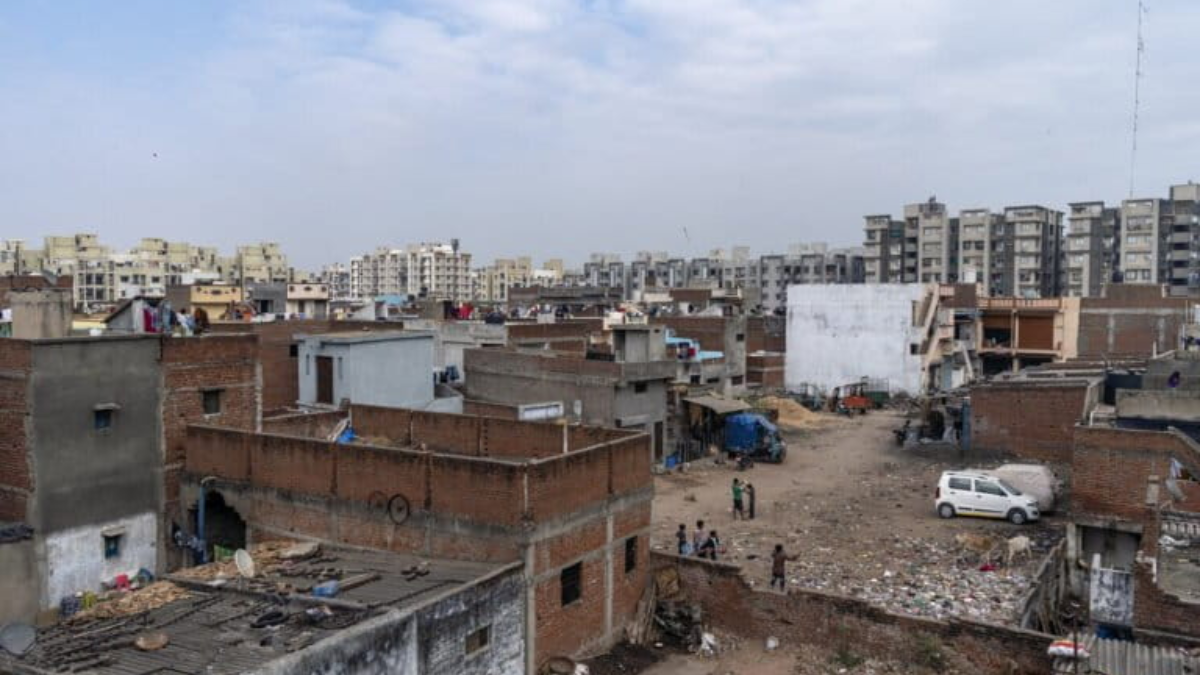
New Delhi, Delhi | September 7, 2026: India's rapid urbanisation is forcing cities to rethink how they plan housing, roads, drainage, water systems and other infrastructure as climate patterns become increasingly unpredictable. Planning based mainly on historical weather data may no longer be enough to prepare cities for future heat, rainfall and water stress.
Historical Climate Data May No Longer Be Enough
Urban infrastructure has traditionally relied on past temperature, rainfall and water availability patterns. However, changing climate conditions are making historical averages less reliable as the only basis for long-term infrastructure decisions.
For stormwater systems, for example, changing rainfall intensity can make traditional assumptions about extreme rainfall events less dependable. This increases the risk of drainage systems being overwhelmed during severe downpours.
Cities Need to Plan for Extremes
The focus of urban planning is also shifting from average conditions to extreme events and threshold risks. Heatwaves, intense rainfall, flooding, water shortages and rising cooling demand can place simultaneous pressure on urban infrastructure.
The National Mission on Sustainable Habitat already places climate resilience, water management, green buildings, mobility and urban planning among its key priorities.
Urban Design Can Influence Local Climate
The physical form of a city also affects how it experiences heat and rainfall. Building density, road orientation, open spaces, tree cover, surface materials and building heights can influence heat absorption, ventilation and nighttime cooling.
This makes master planning an important part of climate adaptation rather than simply a tool for allocating land uses.
Green Infrastructure Could Become Critical
Wetlands, permeable surfaces, urban forests and open spaces can perform important infrastructure functions. Wetlands can help manage excess water, while vegetation and tree cover can reduce heat exposure.
NIUA has highlighted the need to integrate climate considerations into infrastructure, housing, planning and land development as cities prepare for changing climate conditions.
Future Infrastructure Must Consider 2050 and Beyond
The infrastructure being built today could remain operational for several decades. Roads, metro systems, drainage networks, buildings and water infrastructure therefore need to be assessed against future climate conditions rather than only today's weather patterns.
Government climate assessments already include long-term projections for temperature, rainfall and other climate risks. For example, Uttar Pradesh's current climate action framework projects significant temperature increases through the mid-century period under different scenarios.
What It Means for Real Estate and Property Development
Climate resilience is becoming increasingly relevant for property buyers, developers and investors. Buildings located in areas with better drainage, water security, green cover and access to reliable infrastructure could become more attractive as climate-related risks increase.
For developers, this could also mean greater emphasis on flood-resilient design, energy-efficient buildings, water management, heat reduction and climate-sensitive site planning.
India Has an Opportunity to Build Differently
India is still adding large amounts of urban housing and infrastructure, creating an opportunity to incorporate climate resilience before cities become locked into older development patterns.
The key challenge will be moving from basic regulatory compliance toward measurable performance against future heat, rainfall, water demand, energy use and emergency-access requirements.