
Ghaziabad Aerocity Moves Closer to Ground With First Landowner Consent for 231 Hectare Project
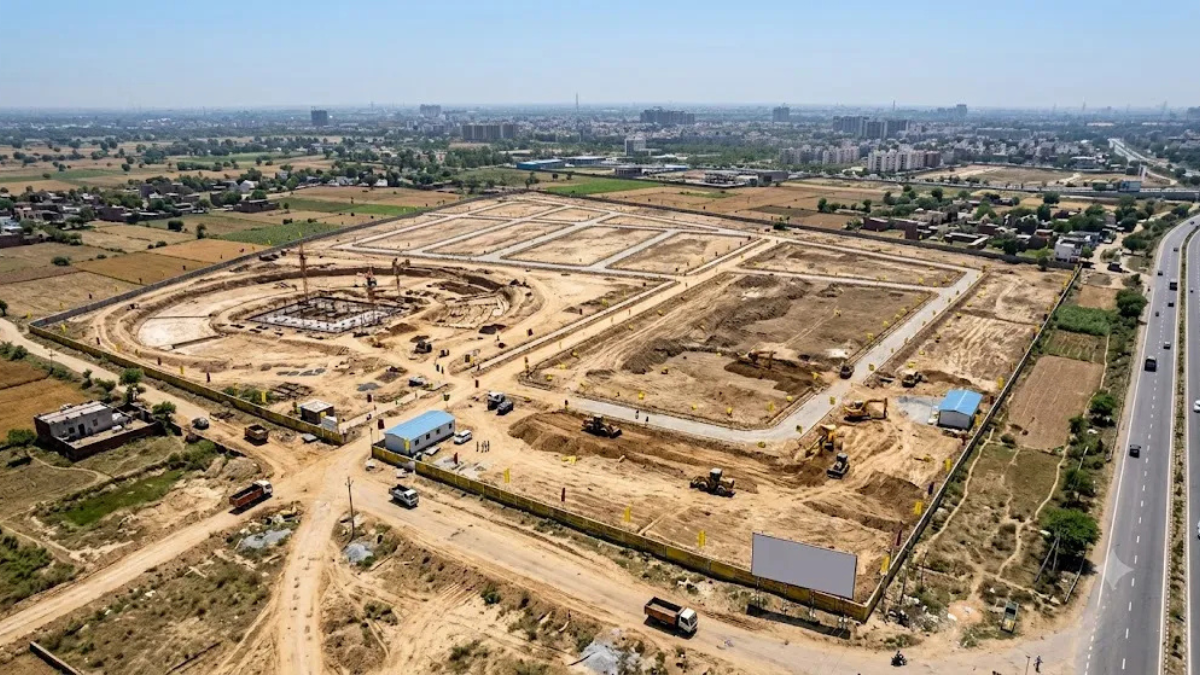
Ghaziabad | September 19, 2026: The proposed Ghaziabad Aerocity project has taken its first major step toward land assembly after the first landowner gave consent for the proposed land pooling process.
The Ghaziabad Development Authority (GDA) plans to assemble around 231 hectares of land across Morti, Ator and Mewla Agri villages for the Aerocity development. A proposed international cricket stadium is expected to become the project's key attraction, alongside residential, commercial and supporting infrastructure.
First Landowner Consent Starts Land Pooling Process
The first consent was obtained on Friday in the presence of GDA vice-chairman Nand Kishore Kalal.
The development is significant because land pooling is central to bringing together the land required for the proposed Aerocity.
The project is planned across approximately 231 hectares, making land assembly one of the key steps before the larger development can take shape.
International Cricket Stadium Planned as Major Attraction
The proposed international cricket stadium is being positioned as a major feature of the Aerocity plan.
The area around the stadium is expected to accommodate:
- Residential development
- Commercial activities
- Modern infrastructure
- Supporting urban facilities
- A planned new urban centre
If developed as proposed, the stadium could become an important anchor for surrounding real estate and commercial activity.
Three Villages Form Part of Proposed Aerocity
The planned Aerocity covers land in Morti, Ator and Mewla Agri villages.
The land pooling approach is intended to bring together land parcels required for the larger development instead of relying only on conventional land acquisition.
The first consent provides an initial indication that the land assembly process has begun, although substantial work remains before the full project can be developed.
Why the Project Matters for Ghaziabad Real Estate
A large mixed-use development anchored by a major sports facility can create demand for multiple property segments.
Residential projects could benefit from improved urban infrastructure and commercial activity, while retail, hospitality and other services could emerge around the planned development.
However, the real estate impact will depend on the pace of land pooling, infrastructure creation, project approvals and actual execution.
What the Cricket Stadium Could Mean for the Area
A large international-standard cricket stadium can potentially serve as more than a sporting venue.
Such a facility can support surrounding:
- Hotels and hospitality
- Restaurants and retail
- Entertainment and leisure facilities
- Commercial spaces
- Transport and mobility infrastructure
The proposed stadium could therefore become an important anchor for the planned urban centre if the wider infrastructure develops alongside it.
Land Pooling Will Be the Key Next Step
The first landowner's consent marks the beginning rather than the completion of the land assembly process.
The GDA will need to secure further participation from landowners and progress the planning and infrastructure framework for the 231-hectare development.
For nearby property owners and prospective buyers, the important factors to track will be the progress of land pooling, final project boundaries, infrastructure plans, approvals and the eventual development timeline.
What This Means for Property Buyers and Landowners
The Aerocity proposal could reshape the surrounding real estate landscape, but buyers should distinguish between planned infrastructure and completed infrastructure.
Until land assembly and subsequent development work progresses, property decisions around the proposed Aerocity should be based on existing connectivity, current infrastructure, legal title and actual development status rather than only the future project proposal.
For landowners, the next phase of the land pooling process will determine how participation and land-related arrangements are structured as the GDA moves forward with the proposed Aerocity.