
US Construction Spending Falls 1.9%: Homes Down, Data Centres Record
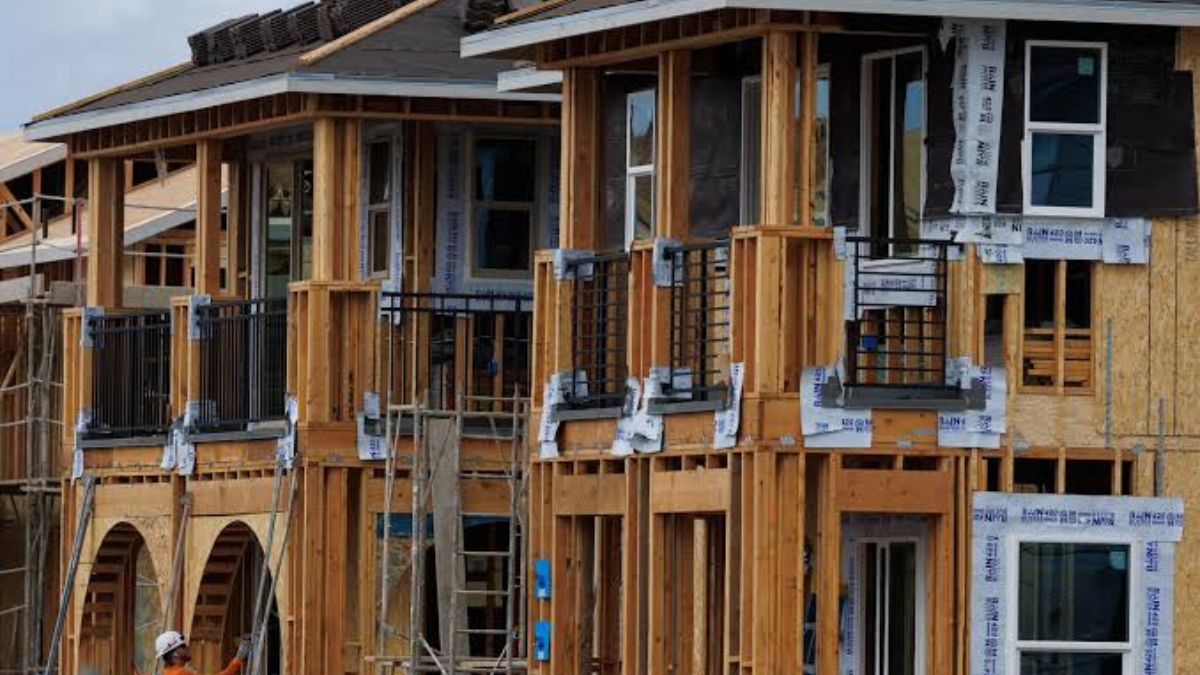
U.S. construction spending fell 1.9% in September to a seasonally adjusted annual rate of $2.186 trillion, the Census Bureau reported on Monday, against expectations of a small rise. Spending is 2.7% below a year ago, and 2.9% lower for the first nine months of the year.
What happened in housing?
-
Private residential: $848.8 billion, down 5.5% from August and 8.9% from a year ago
-
Remodeling: spending on improvements was down 18.0% year on year
-
Single-family: the NAHB links the decline to weak builder sentiment, rising interest rates, and energy and material costs. NAHB's Remodeling Input Price Index shows remodelers' costs up more than 51% since Q1 2019
What happened in nonresidential?
-
Private nonresidential: $790.6 billion, up 1.1% on the month and 2.3% on the year
-
Total nonresidential (public and private): up 0.6% to $1.325 trillion, the sixth straight monthly gain, according to Associated Builders and Contractors (ABC)
-
Data centres: a record annual rate of about $96.5 billion, up 90.3% from a year earlier, and 12.2% of private nonresidential spending
How strong is the data centre boom?
ABC's chief economist Anirban Basu said data centre spending jumped 8.6% in September and has grown at a 217% annualised rate since May, and that excluding data centres and related power projects, nonresidential spending actually fell. Manufacturing construction is down 17% from a year ago.
Why does it matter?
Money and construction labour are moving from homes to digital infrastructure. That fits with the weak new-home sales and record-low builder confidence reported last month, and with Bloomberg's report that data-centre debt is getting more expensive.