
Chandigarh Master Plan Changes Could Expand Industrial Construction and Open Phase III to Mixed-Use Development
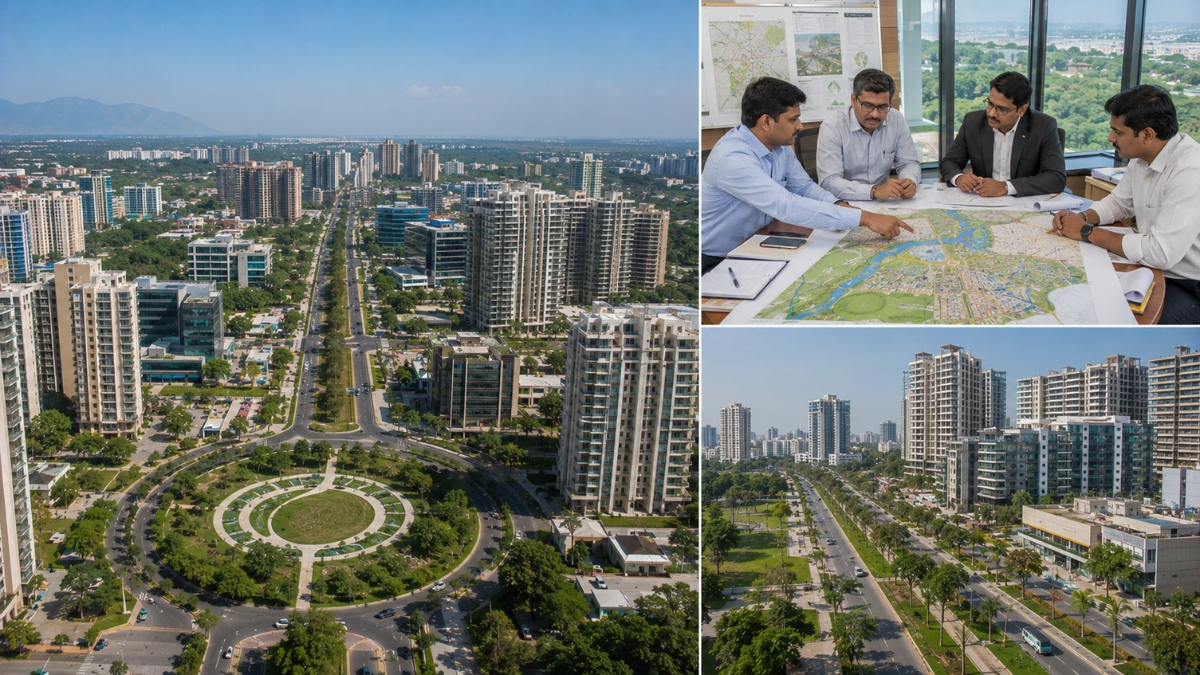
Chandigarh | September 19, 2026: Chandigarh's industrial areas could see a major transformation after amendments to the city's Master Plan received approval from the Chandigarh Heritage Conservation Committee (CHCC).
The proposed changes would allow more construction within existing industrial plots in Industrial Areas I and II, while parts of Industrial Area Phase III could eventually accommodate mixed-use development. A new industrial policy is also being prepared with financial incentives, utility concessions and possible leasehold-to-freehold conversion.
For property owners and businesses, the changes could create more development potential on existing land. For the city, however, higher construction and wider land uses could increase pressure on roads, parking, utilities and other infrastructure.
Industrial Plots Could Get More Construction Potential
The most immediate change is proposed for Industrial Areas I and II.
Under the amended planning framework, industrial units could receive:
- FAR of 2.0
- Ground coverage of 60%
- Greater flexibility under zoning and architectural-control provisions
For plots measuring up to two kanal, the maximum proposed building height would be 68 feet 3 inches.
The additional construction potential could allow existing businesses to create more production space, storage, offices, parking and internal circulation without having to acquire another industrial plot.
Older Industrial Units Could Benefit From Redevelopment
Many industrial properties were developed for earlier manufacturing and storage requirements. As business operations change, some owners may need additional space or more efficient layouts.
The proposed FAR and coverage provisions could give such businesses an opportunity to redevelop their existing premises rather than relocate.
For plots of up to two kanal that were previously restricted to architectural controls, the amendments would also provide an option between zoning provisions and architectural controls.
The actual development potential, however, will depend on the final applicable planning and approval conditions.
Phase III Could Get Residential and Commercial Uses
A more significant change is being considered for Industrial Area Phase III.
Underutilised land, including areas identified for warehousing, stock depots and reserved vacant pockets, has been identified for possible mixed-use development.
The proposed uses could include:
- Residential
- Commercial
- Institutional
- Cultural
- Recreational activities
If implemented, these provisions could change parts of Phase III from predominantly industrial areas into more diverse urban and economic zones.
Infrastructure Will Be a Key Test
Greater construction and mixed-use activity could also increase demand for roads, parking, water, sewage and other civic services.
The proposed framework therefore envisages comprehensive studies, impact assessments and zoning plans before mixed-use development is permitted.
Infrastructure augmentation would be carried out in phases, with provisions including effluent treatment plants and public parking.
For nearby property owners and businesses, the quality and timing of infrastructure upgrades will be important as development intensity increases.
New Industrial Policy Could Offer Financial Incentives
Alongside the Master Plan amendments, the Chandigarh administration is working on a new industrial policy designed to support existing businesses and attract new enterprises.
According to a senior UT official, the policy could include a dedicated industrial incentive fund for subsidies and fiscal support.
Industrial units could also receive partial reimbursement for expenses associated with:
- Mandatory technical approvals
- Export licences
- Quality testing
- Food testing
The administration is also considering concessions on electricity charges, government fees and statutory levies, along with rebates for rooftop solar installations.
Startups and MSMEs Also in Focus
The proposed policy is expected to give particular attention to MSMEs through technology-upgradation initiatives, including support under the Centre's Raising and Accelerating MSME Performance (RAMP) programme.
The Chandigarh Startup Policy has also proposed around ₹50 crore in financial support over five years for startups operating in the city's industrial areas.
According to Deputy Commissioner and Industry Secretary Nishant Kumar Yadav, an initial ₹2 crore has reportedly already been disbursed.
Freehold Conversion Could Affect Industrial Property Investment
Another potential change is the proposed conversion of industrial and commercial properties from leasehold to freehold.
Greater ownership security could influence decisions around investment, expansion and redevelopment, although the final impact will depend on the policy's eligibility conditions, charges and implementation framework.
For property owners, the combination of higher development potential and possible ownership reform could make existing industrial plots more flexible assets.
What This Means for Chandigarh Property Owners
The Master Plan amendments could change how industrial land is used and developed across Chandigarh, but several elements remain subject to further planning, studies and policy implementation.
Property owners should therefore track:
- Final FAR and building-control provisions
- Phase III zoning plans
- Infrastructure impact assessments
- Mixed-use development conditions
- Industrial policy incentives
- Freehold conversion rules and eligibility
The immediate opportunity lies in greater development potential within existing industrial plots, while the longer-term change could come from the proposed mixed-use transformation of parts of Phase III.