
No Space for Waste Plant? Chandigarh's Old Housing Societies Seek Practical Relief from New Rules
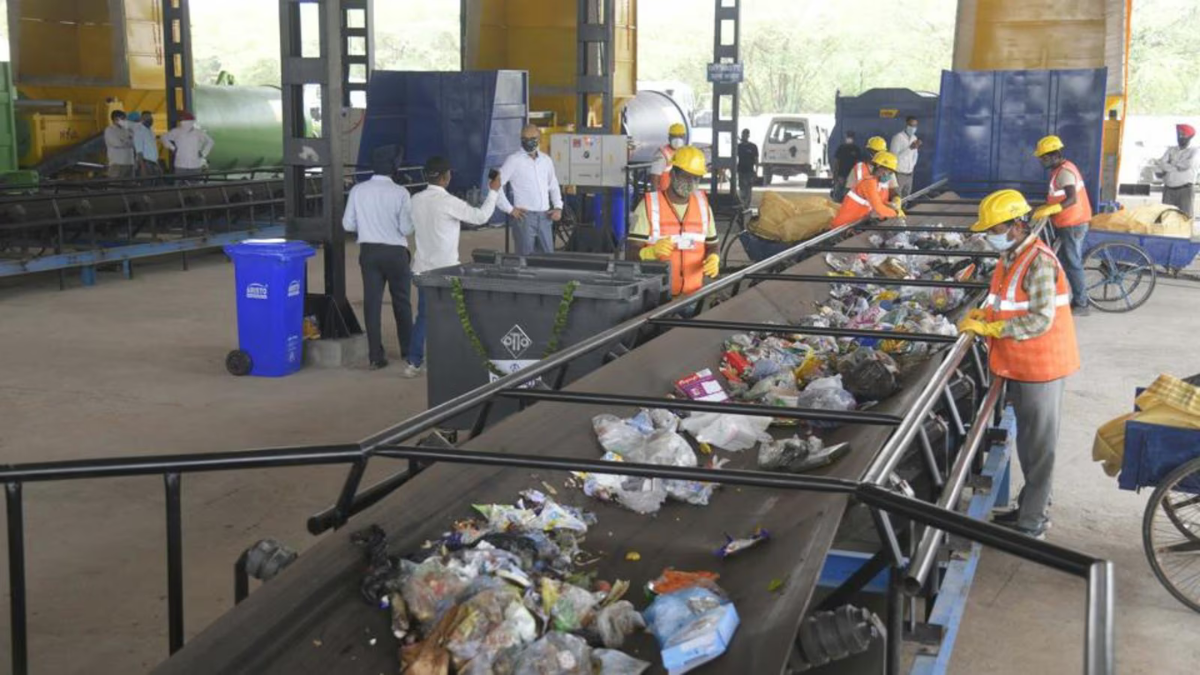
CHANDIGARH | August 5, 2026: Thousands of residents living in Chandigarh's older cooperative housing societies say they fully support scientific waste management—but argue that complying with the city's new waste processing rules is physically impossible. With no spare land to install composting or bio-methanation plants, several societies are now urging the Municipal Corporation to introduce a separate compliance framework for older residential complexes.
The issue has become a major concern for residents who fear penalties despite following waste segregation practices for years.
Why are housing societies raising concerns?
The Municipal Corporation has issued notices to several cooperative housing societies, directing them to register as Bulk Waste Generators (BWGs) under the Solid Waste Management (SWM) Rules, 2026.
The notices require societies to:
- Register on the Central Pollution Control Board (CPCB) portal.
- Implement four-way waste segregation.
- Set up on-site biodegradable waste processing facilities.
- Complete compliance within 15 days.
However, residents say their buildings were constructed more than three decades ago, when planning regulations never required dedicated space for waste processing infrastructure.
"We support the rules, but where do we build the plant?"
Housing societies have clarified that they are not opposing the new waste management regulations.
Instead, they have requested exemption from the mandatory on-site processing requirement, stating that every available space within their complexes is already occupied by:
- Residential buildings
- Internal roads
- Parking areas
- Parks
- Community facilities
Residents argue that installing composting or bio-methanation plants inside these fully developed layouts is simply not feasible.
Residents propose an alternative solution
Instead of seeking complete exemption, the societies have offered to comply with practical measures, including:
- Registration as Bulk Waste Generators.
- Four-way segregation of household waste.
- Resident awareness programmes.
- Handing over segregated waste through the Municipal Corporation's authorised collection system.
They also point out that Chandigarh has traditionally followed a centralised waste management model, with the civic body collecting and processing waste at the Dadumajra waste processing facility.
Demand for separate rules for older societies
Representatives of the housing societies have urged the Municipal Corporation to:
- Conduct physical inspections before taking enforcement action.
- Create separate compliance guidelines for older cooperative housing societies.
- Suspend penalties until individual site assessments are completed.
- Allow societies without adequate space to continue using the city's authorised waste collection system.
Residents believe such an approach would ensure environmental compliance without placing unrealistic obligations on older residential communities.
Supreme Court directions behind the enforcement
The Municipal Corporation's action follows Supreme Court directions for stricter implementation of the Solid Waste Management Rules, 2026.
Under the rules, properties meeting specified thresholds for built-up area, water consumption or daily waste generation are classified as Bulk Waste Generators and are generally required to process biodegradable waste within their premises.
However, the rules also provide that existing Bulk Waste Generators unable to establish on-site facilities may seek exemption from the local authority and comply through the Extended Bulk Waste Generator Responsibility (EBWGR) mechanism.
Why this matters for homeowners
The issue affects thousands of apartment owners living in older housing societies across Chandigarh. Residents say they are willing to support cleaner waste management practices but want regulations that recognise the design limitations of older residential layouts.
The Municipal Corporation's decision on these representations could influence how similar ageing housing societies across India implement future waste management regulations.