
Gurugram Brisk Lumbini Floor Dispute Raises Red Flags for Homebuyers and Property Owners
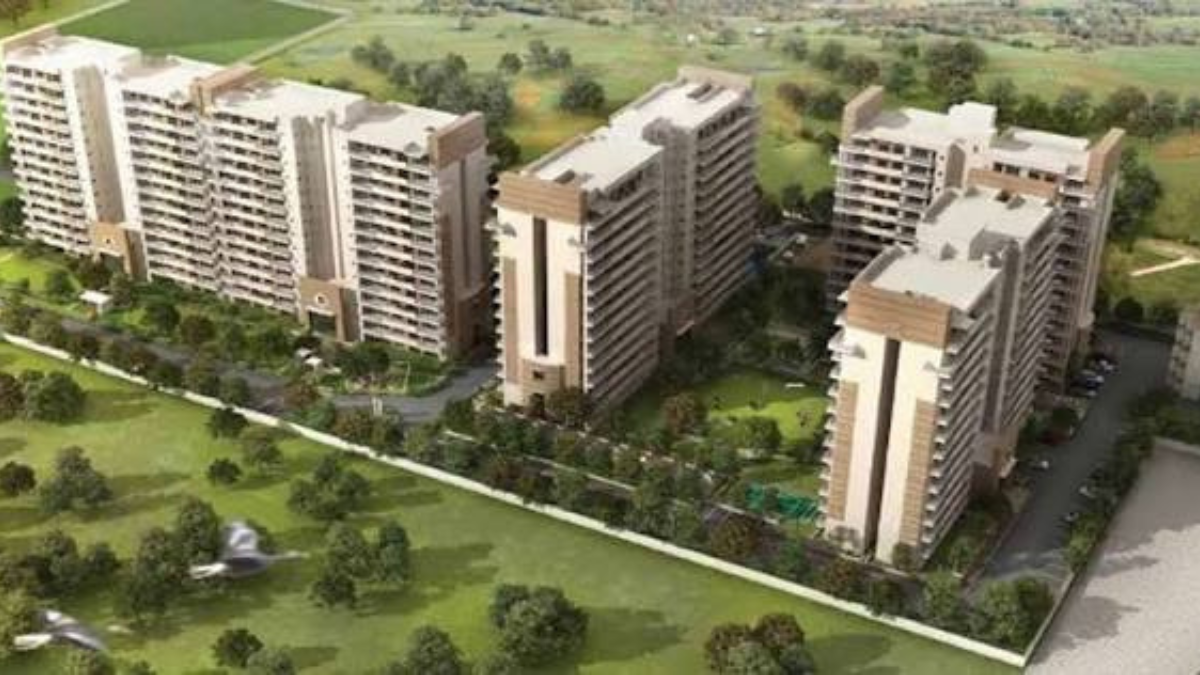
Gurugram, Haryana | September 8, 2026: A dispute over an alleged unauthorised 14th floor at Brisk Lumbini in Sector 109, Gurugram, has raised important questions for apartment owners and prospective buyers about sanctioned building plans, terrace rights and the legal status of additional construction.
The District Town Planner (Planning) has confirmed that the approved building plan, occupation certificate and deed of declaration do not mention a 14th floor in Tower C, while the conveyance deed of flat C-132 refers to exclusive terrace rights on the 13th and 14th floors.
Why This Matters for Property Owners
The dispute goes beyond one apartment. If construction exists beyond the approved plan, it can create questions around building legality, structural safety, common-area rights and future resale.
For existing owners, any uncertainty over an additional floor or terrace can affect the property's documentation and potentially complicate future transactions.
Approved Plan and Property Documents Appear to Differ
According to the DTP's August 4 communication, the sanctioned plan, occupation certificate and deed of declaration do not provide for a 14th floor in Tower C.
However, the conveyance deed and deed of apartment for C-132 reportedly contain a reference to “Exclusive Terrace Rights at 13th & 14th Floor.” The department has referred the matter for further instructions on whether the developer's deed of declaration needs correction.
This difference is particularly important for buyers because rights mentioned in a sale document do not automatically override an approved building plan.
RWA Seeks Removal of Alleged Unauthorised Construction
The Brisk Lumbini Apartment RWA has requested enforcement action and restoration of the roof area in accordance with the sanctioned plan.
The RWA has also stated that an enforcement representative inspected the site and observed construction and occupation over the roof of the 13th floor. The developer has not provided a response to the allegations.
Homebuyers Could Face the Biggest Risk
For buyers considering resale apartments, the case highlights why sanctioned plans, occupation certificates, deed of declaration and conveyance documents should be checked together.
An apartment may appear legally documented on paper, but discrepancies involving floors, terraces or common areas can create problems during resale, financing or future redevelopment.
Unauthorised Construction Can Affect Property Value
Additional construction can sometimes increase usable space and rental potential, but if it is unauthorised, that apparent benefit can come with substantial risk.
Potential consequences can include enforcement action, removal of the construction, disputes over ownership rights and difficulty obtaining clear documentation for future transactions.
For investors, therefore, extra built-up area should never be valued simply on the basis of its rental or resale potential without verifying its legal status.
Gurugram Has Seen Earlier Structural Safety Concerns
The issue also comes against a wider backdrop of structural concerns in Gurugram's high-rise housing sector. Brisk Lumbini itself has previously been among the projects where residents raised structural concerns and authorities ordered audits.
That makes verification of any additional construction particularly relevant for residents and buyers.
What Property Buyers Should Check
The Brisk Lumbini dispute offers a practical lesson for anyone buying an apartment in Gurugram. Before paying a premium for a top-floor unit or terrace rights, buyers should verify:
- The sanctioned building plan
- Occupation certificate
- Deed of declaration
- Conveyance deed and apartment deed
- Approved number of floors
- Legal status of terrace and common areas
- Any pending complaints or enforcement proceedings
For property investors, these checks can help prevent an attractive-looking apartment from turning into a legal or financial liability.
What Happens Next
The immediate issue is whether authorities will determine that the alleged 14th-floor construction is unauthorised and, if so, what enforcement action will follow. The matter also raises the question of whether the developer's property documents need rectification.
For Gurugram's wider residential market, the case reinforces a crucial point: clear documentation and approved construction can be just as important as location, size and price when determining a property's real value.