
Why the Future of Your Neighbourhood Matters More Than the Home You Buy
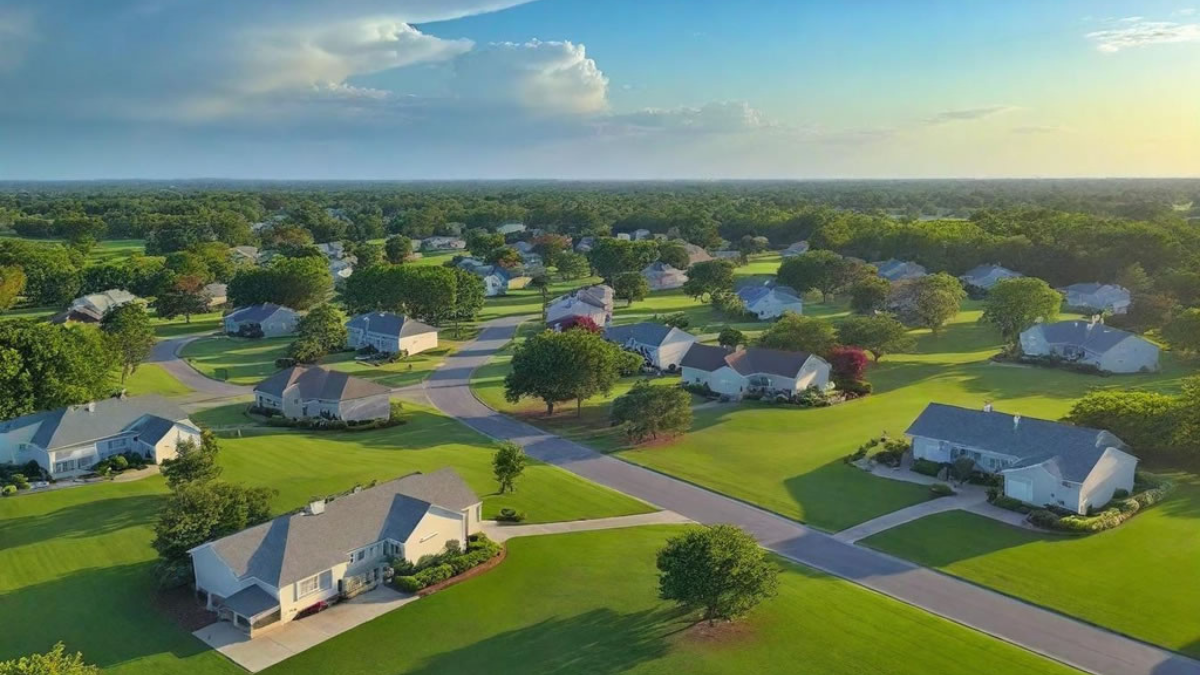
INDIA | August 5, 2026: Homebuyers spend considerable time comparing floor plans, amenities and prices before purchasing a property. Yet one of the most important factors influencing long-term satisfaction often receives far less attention—the future of the neighbourhood itself.
A residential area is not a static place. Over the years, traffic patterns change, new businesses emerge, public infrastructure develops and land use evolves. These changes can improve a locality, but they can also alter the character of a neighbourhood in ways buyers may never have anticipated when they first invested.
For this reason, urban planners increasingly believe that buying a home should involve evaluating not only the property but also how the surrounding area is likely to develop over time.
A Home Is Part of a Larger Urban Ecosystem
Every residential building functions within a broader network of roads, public spaces, schools, transport systems and community facilities.
The quality of this surrounding environment influences daily life just as much as the apartment itself. Factors such as traffic movement, pedestrian safety, parking availability, public utilities and neighbourhood planning collectively determine how comfortable and sustainable a locality remains in the years ahead.
This is why experienced buyers evaluate the locality as carefully as they evaluate the property.
The Character of a Neighbourhood Shapes Everyday Living
Neighbourhoods gradually develop their own identity.
Some remain predominantly residential and community-oriented, while others evolve into busy commercial corridors with increasing visitor traffic and changing patterns of land use.
Neither outcome is inherently positive or negative. The key issue is whether this evolution takes place in accordance with planned urban development that balances convenience, infrastructure capacity and the quality of life for residents.
Long-term planning plays a critical role in preserving that balance.
Buyers Should Look Beyond Today's Conditions
Many purchasing decisions are based on how an area looks at the time of booking.
However, property professionals recommend understanding future master plans, planned infrastructure projects, zoning patterns and development trends before making a long-term investment.
A neighbourhood that appears quiet today may undergo significant transformation over the next decade. Likewise, an established residential locality may benefit from carefully planned improvements that enhance both connectivity and liveability.
Looking ahead often provides a better picture of a property's future potential.
Well-Planned Communities Create Stronger Property Value
Property appreciation is influenced by much more than demand and supply.
Neighbourhood quality, organised development, public infrastructure and consistent planning standards all contribute to the long-term attractiveness of a locality.
Areas that maintain a healthy balance between residential life, supporting commercial activity and civic infrastructure generally inspire greater confidence among buyers and investors over time.
Well-managed neighbourhoods therefore create value that extends beyond individual properties.
Buying a Home Also Means Choosing a Community
Purchasing a property is not simply about selecting an apartment.
It is also a decision about where children will grow up, how families will commute, what everyday conveniences will be available and how the neighbourhood may evolve over the next 10 or 20 years.
These long-term considerations often have a greater impact on quality of life than the specifications of the apartment itself.
For many families, choosing the right community ultimately becomes as important as choosing the right home.
Final Thoughts
The value of a property is influenced not only by the building in which it is located but also by the neighbourhood that surrounds it.
As cities continue to expand and evolve, buyers who understand how localities change over time are better positioned to make informed investment decisions.
A good apartment can always be renovated.
A neighbourhood, however, follows a much longer journey.
That is why the future of the area around your home may become one of the most important factors in determining the long-term success of your property investment.