
US Housing Starts Outlook Turns Negative Through 2027 as Construction Costs Rise
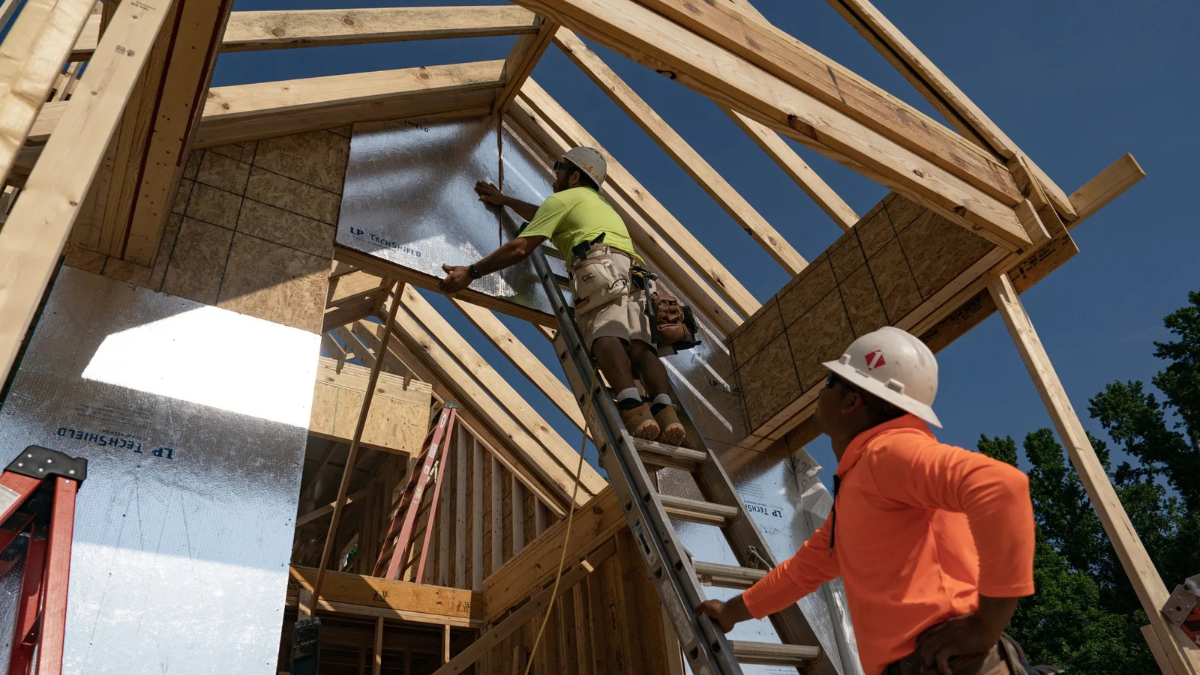
United States | September 18, 2026: The U.S. housing construction pipeline is showing signs of further weakness through 2027 as rising building costs, labour shortages and cautious buyer demand put pressure on homebuilders. Although single-family housing starts increased in August, construction activity remains below last year's pace and builders are increasingly relying on incentives to attract buyers.
Total housing starts fell 2.6% in August to a seasonally adjusted annual rate of 1.275 million units, according to data from the U.S. Census Bureau and the Department of Housing and Urban Development.
Single-Family Starts Rose, But the Broader Trend Remains Weak
Single-family housing starts increased 7.6% in August to an annual rate of 918,000 units.
However, the monthly improvement does not necessarily indicate a sustained recovery.
From January through August, single-family starts were 4.9% below the rate recorded during the same period in 2025.
This indicates that builders have remained cautious about adding new supply despite continued demand for housing.
Multifamily Construction Takes a Sharp Hit
The overall decline in housing starts was heavily influenced by the multifamily segment.
Multifamily starts fell 21.7% in August, pulling total residential construction lower.
Housing completions also declined, with the number of completed units falling 11.9% during the month.
A weaker multifamily construction pipeline could eventually affect the supply of rental housing, although the impact will vary by market and the pace of projects already under construction.
Why Builders Are Slowing Construction
Higher construction costs are becoming a major challenge for builders.
Materials, labour and other development expenses are putting pressure on margins, while consumers remain cautious about purchasing new homes.
Builders therefore face a difficult calculation: increasing construction can add inventory and carrying costs, while slowing production can protect margins but limit future supply.
Persistent labour shortages are adding another layer of pressure to the construction pipeline.
Buy-Downs Now Support Most New-Home Sales
Builder incentives have become increasingly important as affordability remains a concern for buyers.
According to the report, mortgage-rate buy-downs now support roughly 80% to 90% of new-home sales.
These incentives can reduce a buyer's financing cost, particularly during the early years of a mortgage, and can help builders maintain sales without making an equivalent reduction in the headline price.
For buyers, however, it is important to compare the complete cost of a home — including the purchase price, mortgage rate, incentive structure and future payment — rather than focusing only on the advertised monthly payment.
What the Construction Slowdown Means for Homebuyers
A slower building pipeline can have competing effects on buyers.
In the short term, cautious builders may offer more incentives to move existing inventory. That can create opportunities for buyers who have the financial capacity to purchase.
But weaker construction also means fewer new homes may enter the market later.
If demand strengthens while new supply remains constrained, buyers could face renewed competition and affordability pressure.
Investors and Rental Markets Could Also Feel the Impact
The sharp decline in multifamily starts is particularly relevant for investors and rental-market participants.
Fewer new apartment projects could eventually limit additional rental supply in some markets. However, the effect will depend on local vacancy rates, existing construction pipelines and population growth.
Investors therefore need to look beyond national housing-start numbers and examine the supply-demand balance in individual metropolitan areas.
What Happens Next
The key issue heading into 2027 is whether builders can absorb higher costs while finding enough buyers willing and able to purchase new homes.
The August data shows that single-family construction can still post monthly gains, but the year-to-date decline and sharp drop in multifamily starts point to a more cautious construction environment.
For homebuyers, builder incentives and mortgage-rate assistance may remain important tools for improving affordability. For the wider housing market, however, continued production restraint could make the future supply of homes an increasingly important issue.