
UK House Prices Fall 0.4% in August as Higher Mortgage Costs Weigh on Buyers
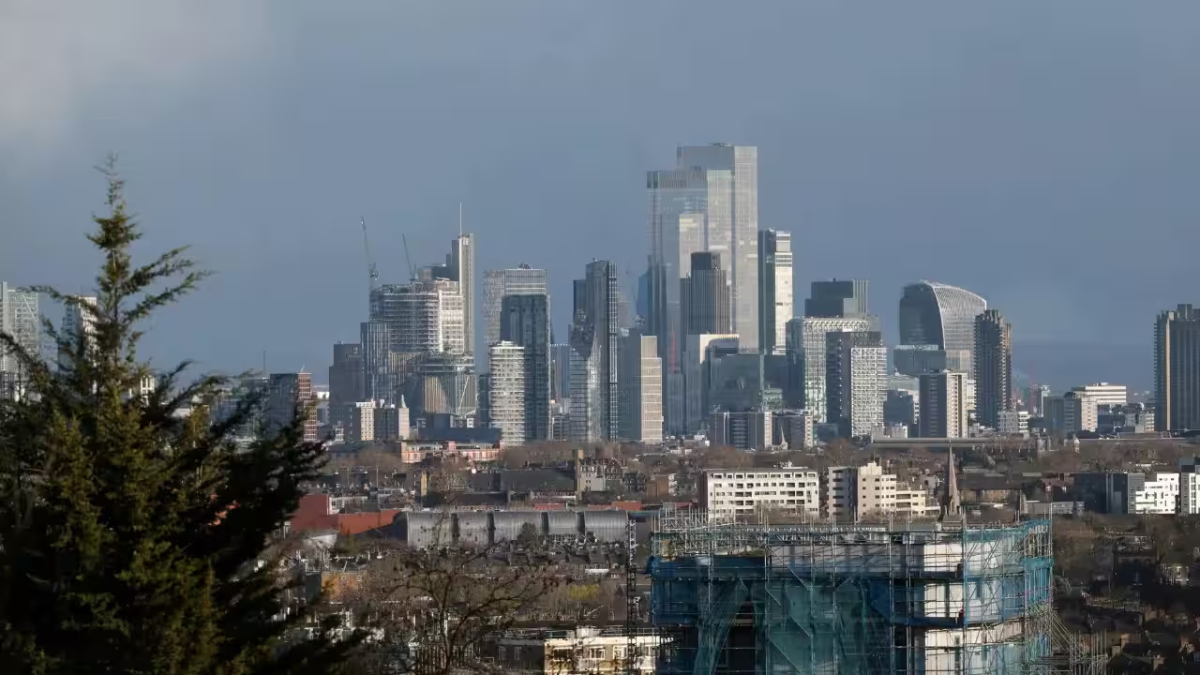
London, United Kingdom | September 8, 2026: UK house prices recorded their first annual decline in nearly three years in August, highlighting growing pressure on the housing market as higher borrowing costs and economic uncertainty make buyers more cautious. Lloyds data showed prices fell 0.4% year-on-year, the first annual decline since November 2023.
House Prices Decline for the First Time Since 2023
Lloyds reported a 0.4% annual fall in August, against economists' expectation of a 0.2% increase. Prices also declined 0.2% from July, while July's earlier 0.1% monthly growth was revised to a 0.1% fall.
The data signals a notable change in the UK housing market after a period of relatively steady price growth.
Higher Borrowing Costs Put Pressure on Demand
Higher mortgage costs have become a major challenge for prospective buyers. Recent global events have added uncertainty around inflation and borrowing costs, prompting some households to delay property purchases.
With financing becoming more expensive, buyers may have less room in their budgets, potentially limiting demand and putting pressure on price growth.
Sellers Are Not Rushing to Cut Prices
Despite weaker demand, the market has not seen a major wave of price reductions. Lloyds said many homeowners are choosing to wait rather than accept offers they consider too low.
This could keep transaction volumes subdued as buyers and sellers remain apart on price expectations.
Mortgage Rates Could Keep the Market Soft
Capital Economics expects further weakness in the housing market, with typical two-year fixed mortgage rates potentially approaching 5% in September, compared with around 4.8% in July.
The consultancy expects UK house prices to broadly flatline during the remaining months of 2026, although prices could still be around 1.5% higher in the fourth quarter than a year earlier.
Other Housing Data Shows a Mixed Picture
The UK market is not showing a completely uniform trend. Nationwide Building Society reported 1.6% annual house-price growth in August and a 0.2% monthly increase.
The difference between lender-based measures highlights how housing trends can vary depending on the data methodology and segment of the market being measured.
Official Data Also Shows Slowing Price Growth
The latest official UK house-price figures showed prices were 2.0% higher in the year to June, down from 3.0% annual growth in May.
For property buyers, the combination of slower price growth and elevated mortgage costs could create a more cautious market, while sellers may need to adjust expectations if borrowing conditions remain tight.
What It Means for the UK Property Market
The August decline suggests that affordability and borrowing costs are becoming increasingly important factors for the UK housing market. If mortgage rates remain elevated, demand could stay subdued and price growth may remain limited through the end of 2026.
For buyers, a softer market could improve negotiating opportunities in some locations. However, the cost of financing remains a key factor when assessing whether a property purchase is affordable.