
Orlando Housing Market Shows Buyer Opportunity as Florida Home Prices Face Pressure
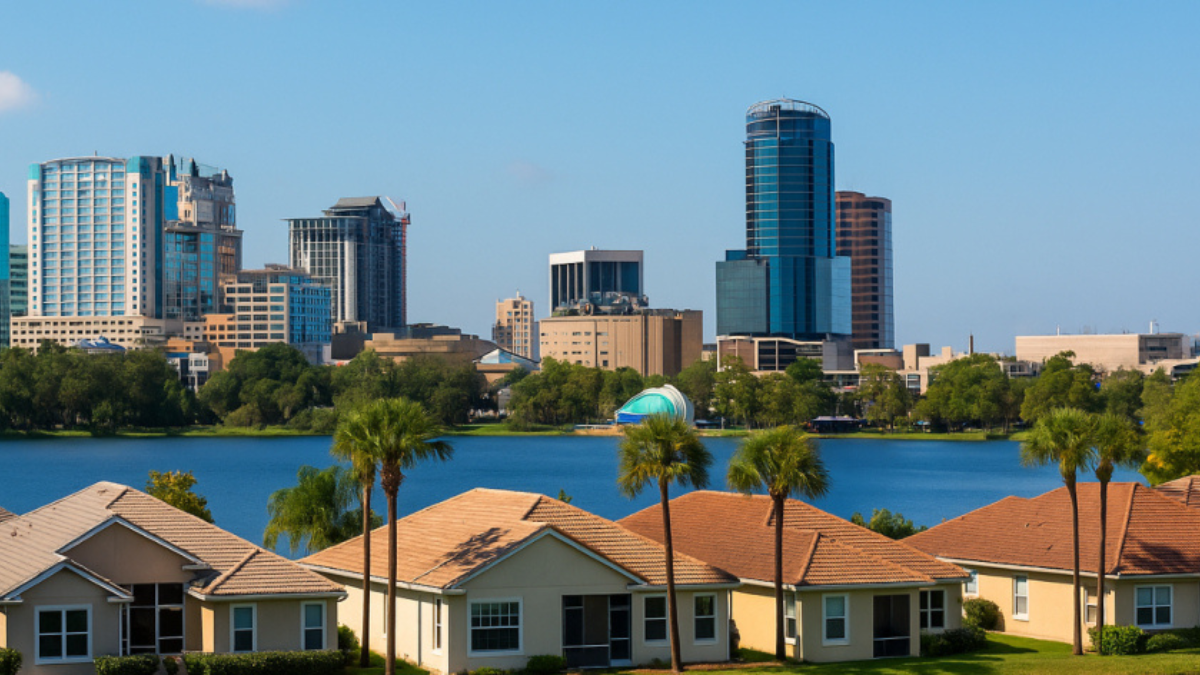
Orlando, Florida | September 8, 2026: Florida's housing market is entering a more balanced phase, but Orlando is showing a more complicated picture than statewide figures suggest. The Orlando-Kissimmee-Sanford metro had 8,887 active single-family listings at the end of August, while nearly half of listed homes had already seen price reductions.
For buyers, the higher inventory is creating more choice and negotiating power. For sellers, however, the market is making one thing increasingly important — pricing a property realistically rather than relying on the peak valuations seen during the pandemic-era boom.
Orlando Inventory Gives Buyers More Choice
Florida had 83,832 active single-family listings for the week ending August 29, significantly above the roughly 53,000 available in early 2023, although still below the mid-2025 peak of about 107,000.
In Orlando, the median list price stood at approximately $485,000, while 49% of active listings had reduced their asking prices. The average property had been on the market for 123 days.
The combination of higher inventory and frequent price cuts gives buyers more room to compare properties and negotiate.
Affordability Remains the Biggest Challenge
More listings do not automatically make homes affordable. Buyers in Orlando continue to face pressure from mortgage costs, insurance expenses and overall homeownership costs.
This means properties that appear cheaper than their pandemic-era prices can still be financially difficult for many households to purchase.
For buyers, the real opportunity is therefore not simply finding a price cut but identifying a property where the total monthly ownership cost fits comfortably within their budget.
Not Every Orlando Neighborhood Is Weak
Local market conditions are becoming increasingly dependent on location and property type.
Well-priced homes in desirable neighbourhoods can still attract buyers quickly, while properties that are overpriced or carry higher ownership costs may remain on the market for much longer.
This divergence means Orlando should not be treated as a single housing market. Buyers and sellers need to evaluate individual neighbourhoods, property conditions, insurance costs and comparable sales before making decisions.
Vacation Properties Face Different Risks
The vacation-home segment is experiencing different pressures from properties primarily purchased for owner occupancy.
Markets that depend heavily on tourism and short-term rentals can face greater exposure to changes in visitor demand, operating expenses, insurance costs and local regulations.
For investors considering Orlando-area vacation properties, projected rental income should therefore be tested against realistic occupancy, management, insurance and financing costs rather than based solely on previous market performance.
Builders Have Another Advantage Over Resale Sellers
New-home builders can compete more aggressively by offering incentives, financing support or other concessions that resale sellers may not be able to match.
This creates another consideration for buyers. A resale home with a reduced asking price is not necessarily the best value if a nearby new construction property offers significant incentives or lower maintenance costs.
Buyers should compare the effective purchase cost, including incentives, financing and expected ownership expenses.
What Sellers Need to Change
The current market is making unrealistic pricing increasingly costly for sellers.
With almost half of Orlando's active listings undergoing price reductions, sellers who initially list at an outdated peak-market valuation may have to wait longer before attracting serious buyers.
Accurate comparable-property analysis, realistic pricing and attention to condition can become more important than simply waiting for the market to return to 2021 or 2022 conditions.
What This Means for Orlando Property Investors
The current slowdown does not necessarily signal a collapse in Orlando's housing market. Instead, it points toward a market where buyers have more choices and individual property fundamentals matter more.
Investors should focus on neighbourhood-level demand, rental potential, insurance costs, financing and resale prospects. Sellers should prepare for longer marketing periods and stronger price sensitivity.
For buyers who can afford the financing and ownership costs, the combination of increased inventory and price reductions could create opportunities to negotiate. But affordability remains the key factor that will determine how much of that opportunity can actually translate into completed sales.