
New York Office Demand Is Spreading Beyond Manhattan’s Trophy Corridors
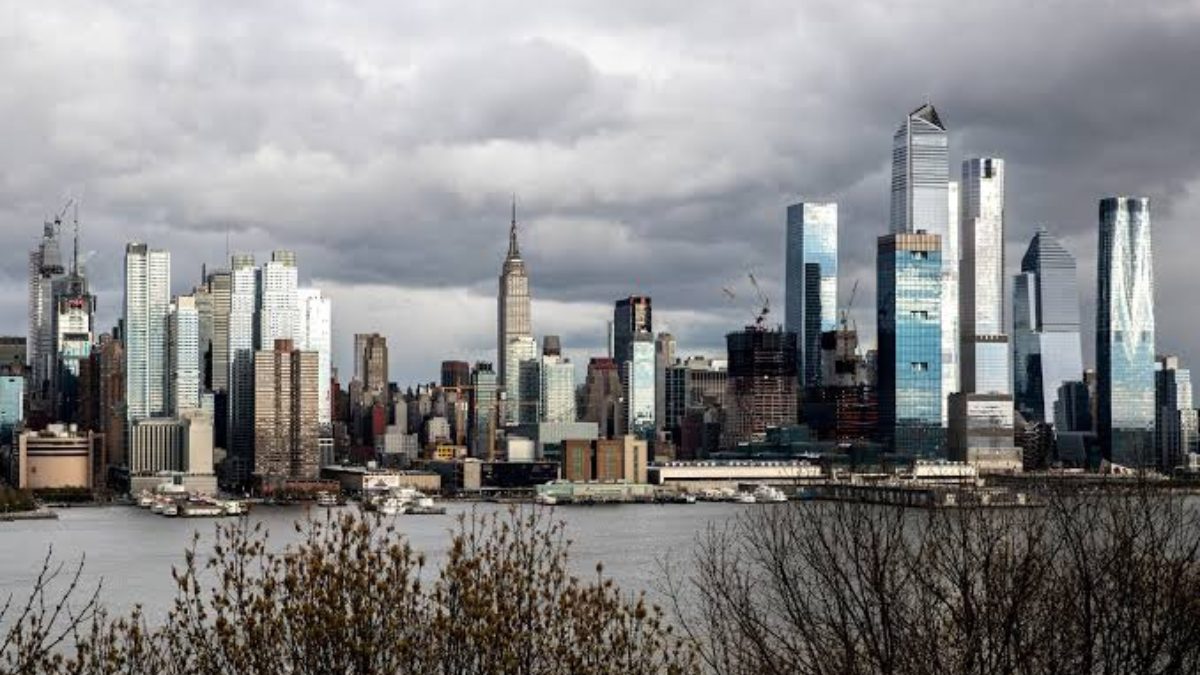
New York City, New York | September 25, 2026: New York’s office market is showing signs of a broader shift as companies look beyond the city’s traditional trophy office corridors for workplaces that combine accessibility, amenities and upgraded buildings.
That trend is being observed by Craig Panzirer, Rudin’s senior vice president and director of leasing, who has spent 38 years in New York commercial real estate. His experience spans multiple market cycles, from the dot-com boom to the current hybrid-work era.
What Is Changing in New York Office Leasing
According to CoStar’s interview with Panzirer, office demand is no longer concentrated exclusively in Manhattan’s most established trophy corridors.
The shift reflects changing tenant requirements as companies reassess how much office space they need and what features can encourage employees to use it.
Instead of focusing only on a prestigious address, tenants are increasingly evaluating factors such as:
- Building amenities
- Accessibility
- Quality of renovated space
- Location
- Employee experience
- Flexibility within the workplace
560 Lexington Shows the Role of Amenities
One example highlighted in the report is 560 Lexington Avenue, where newly opened amenity space has helped support more than 100,000 sq ft of recent leasing activity, according to Panzirer.
The building's upgraded amenity offering includes recreational features such as a pool table.
For landlords, the leasing activity illustrates how investment in shared tenant spaces can become part of the pitch when competing for occupiers in a market where companies have more flexibility over their office footprints.
Hybrid Work Is Changing What Tenants Want
Panzirer has witnessed the New York office market through the rise of hybrid work, which has changed the way companies evaluate workplaces.
With employees spending part of their working week outside the office, landlords increasingly need to offer more than conventional office floors.
Buildings that provide useful shared amenities, convenient transportation access and modern common areas can give tenants additional reasons to maintain a physical workplace.
However, individual leasing decisions continue to depend on factors including rent, location, space requirements and the tenant's business strategy.
Why This Matters for Manhattan Office Owners
The trend could have implications for owners of older or underutilised office buildings.
Rather than relying solely on location or headline asking rents, landlords may need to invest in the physical experience of the property to remain competitive.
That can include:
- Renovated lobbies
- Shared amenity floors
- Food and beverage options
- Fitness and recreational facilities
- Modern building systems
- Flexible tenant areas
The 560 Lexington example suggests that amenity investment can form part of a broader leasing strategy, although it does not establish that amenities alone determine leasing performance.
Demand Is Not Limited to Trophy Buildings
The broader takeaway from Panzirer’s experience is that tenant demand is becoming more nuanced.
Companies may still value premium Manhattan locations, but the definition of a desirable office building is increasingly tied to the complete workplace experience rather than the address alone.
For owners of buildings outside the most prominent trophy corridors, this creates an opportunity to compete through upgrades, amenities and tenant-focused services.
What Happens Next
New York landlords will continue competing for tenants as companies refine their post-pandemic office strategies.
The performance of properties such as 560 Lexington Avenue will provide further evidence of whether upgraded amenities and repositioned office buildings can attract meaningful leasing activity beyond Manhattan’s traditional trophy corridors.
For investors, developers and office owners, the key metric to watch will be whether tenant demand increasingly translates into longer leases, larger commitments and stronger occupancy across upgraded buildings.