
4 Malaysia Property Hotspots Set to Gain From New Jobs, Data Centres and Singapore Link
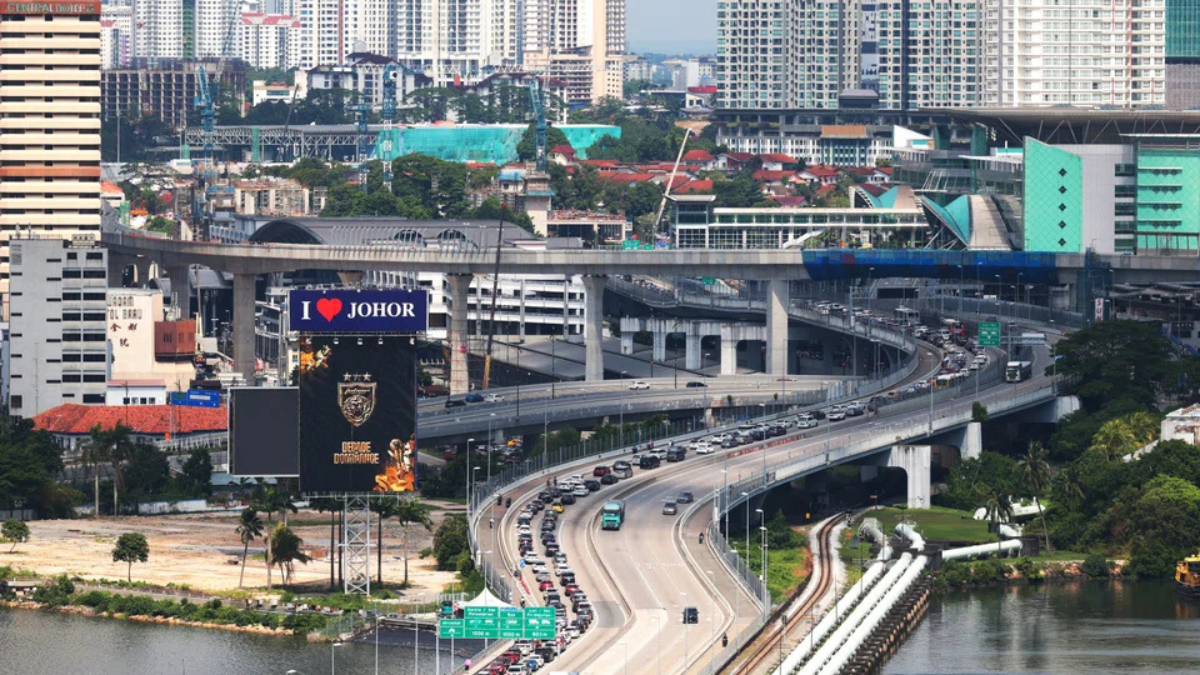
Kuala Lumpur, August 22, 2026: Malaysia’s property market could be entering a new phase of growth as investment in industrial infrastructure, data centres, cross-border connectivity and high-value industries creates new real estate opportunities.
According to JLL’s latest research, Malaysia is well positioned to benefit from Southeast Asia’s shift towards more interconnected economic corridors. The Johor-Singapore Special Economic Zone, Johor’s data-centre ecosystem, Penang’s Silicon Island and Greater Kuala Lumpur have emerged as key areas to watch.
1. Johor-Singapore Corridor Could Become a Major Property Growth Engine
The Johor-Singapore Special Economic Zone is one of the biggest developments shaping Malaysia’s future property market.
The zone is expected to strengthen economic links between Johor and Singapore, potentially creating demand for industrial, logistics, commercial and residential properties.
Improved cross-border connectivity could also make locations around transport hubs more attractive to businesses, workers and property occupiers. JLL has previously highlighted rising residential demand around transport hubs and the upcoming RTS Link.
2. Johor’s Data Centre Boom Could Lift Surrounding Real Estate
Johor is increasingly becoming an important data-centre hub as global companies expand their digital infrastructure in Southeast Asia.
This growth requires large land parcels, power infrastructure, connectivity and supporting services. As a result, data-centre expansion can create opportunities beyond the facilities themselves, including industrial land, logistics, commercial properties and nearby housing.
JLL has identified Johor’s growing data-centre ecosystem as one of the key factors supporting Malaysia’s long-term real estate outlook.
3. Penang’s Industrial Growth Could Create Spillover Demand
Penang’s Silicon Island is strengthening the state’s position in high-value industries.
As industrial and technology activity expands, demand for supporting infrastructure and real estate could also spread into neighbouring areas. JLL has identified Kedah and Perak as markets that could benefit from spillover demand, particularly where land availability becomes a constraint in established locations.
For property buyers and developers, this makes employment-driven expansion an important factor when assessing emerging locations.
4. Greater Kuala Lumpur Could Expand Beyond Established Business Districts
Greater Kuala Lumpur is also seeing its development footprint expand as rail connectivity improves.
Better transport links can increase the reach of existing employment centres and support new townships, commercial developments and industrial locations outside traditional central areas.
For homebuyers, this means future connectivity could become just as important as today's location when evaluating a developing property corridor.
Industrial and Logistics Real Estate Also in Focus
Malaysia’s real estate opportunity is not limited to residential property.
JLL has identified industrial and logistics platforms, data centres, asset repositioning and cross-border investments as major opportunity areas.
The trend is being supported by manufacturers diversifying supply chains across Southeast Asia, while Malaysia’s infrastructure, workforce and business environment could help attract additional international investment.
What This Means for Property Buyers and Investors
The latest developments show why employment and infrastructure are becoming increasingly important to property markets.
A new industrial hub, data centre or major transport connection can bring jobs, businesses and daily demand into an area. That can eventually influence housing, rental and commercial property demand.
However, growth is unlikely to be uniform across Malaysia. JLL’s analysis suggests investors will need to focus on specific corridors, sectors and asset types rather than treating the entire market as one opportunity.
Grihik Angle
For property buyers, the bigger takeaway is simple: don’t look only at today’s property price. Look at what is being built around it.
Areas attracting jobs, infrastructure, businesses and connectivity can have stronger potential to develop into future real estate hotspots. Malaysia’s Johor-Singapore corridor and data-centre-led growth show how economic development can gradually reshape surrounding property markets.
What happens next will depend on how quickly these infrastructure and investment plans translate into actual jobs, businesses and new development on the ground.