
Delhi’s Old Colonies Could Get a New Life Under Master Plan 2047 With More Space and Better Amenities
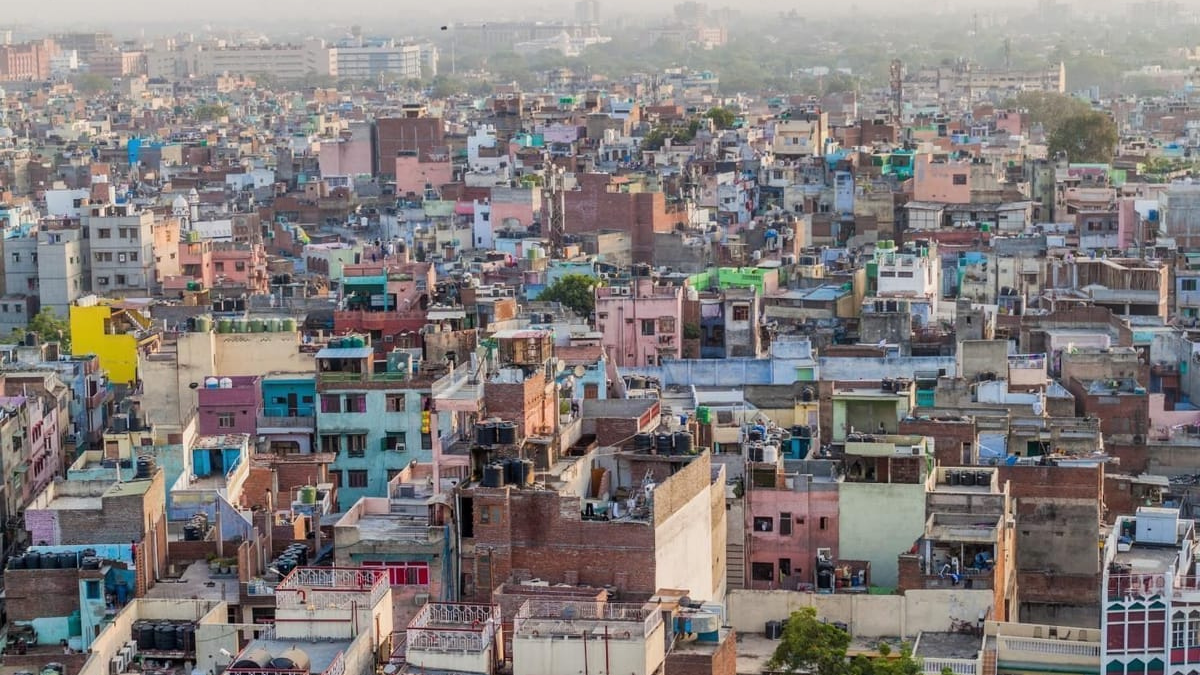
New Delhi, August 22, 2026: Delhi’s ageing government colonies, housing societies and planned residential neighbourhoods could soon get an opportunity to rebuild, expand and modernise their properties under the proposed Master Plan for Delhi 2047 (MPD-2047).
The plan prepared by the Delhi Development Authority (DDA) proposes a regeneration framework that would allow residents of eligible old residential areas to pool or reconstitute plots and undertake redevelopment collectively.
For residents living in ageing colonies with outdated buildings, narrow internal roads and limited civic infrastructure, the proposal could open a new route to modern housing without having to relocate from their established neighbourhoods.
3,000 Sq Metre Minimum Area for Redevelopment
Under MPD-2047, regeneration projects would require a minimum plot area of 3,000 square metres.
Existing plots could be merged or reconstituted to meet the required area, allowing multiple property owners to participate in a common redevelopment project.
This could be particularly relevant for older housing societies and government colonies where individual buildings may no longer meet the needs of residents.
Redevelopment Could Bring More Built-Up Space
One of the major attractions for property owners could be the proposed construction rights.
The plan allows eligible redevelopment projects to receive up to 1.5 times the base Floor Area Ratio (FAR), subject to the applicable provisions.
In simple terms, this could allow more built-up space to be created compared with what is currently permitted, making large-scale redevelopment financially and practically more viable.
Residents Can Pool Properties for a Larger Project
The regeneration framework could allow residents to come together instead of redeveloping individual properties separately.
For group housing societies, including Cooperative Group Housing Society plots and DDA colonies, redevelopment would have to be undertaken collectively through resident welfare associations, societies or federations.
This approach could help create:
- Better-designed residential buildings
- Wider internal roads
- Improved open spaces
- Modern civic infrastructure
- Better parking facilities
- Upgraded water and sewage systems
Government Colonies Could Also Be Redeveloped
The proposal is not limited to private housing societies.
Old government and employer housing, including staff quarters belonging to public sector organisations, could also be taken up for regeneration through group housing projects.
Certain development norms may be relaxed for such projects, subject to approval from the central government.
This could provide an opportunity to replace ageing government housing stock with modern residential infrastructure.
Road Widening Could Give Residents Additional FAR
Road planning will also play an important role in redevelopment.
The MPD-2047 proposal states that new road plans would need to be approved before redevelopment projects begin.
In some cases, residents may have to surrender part of their land for road widening. In return, they could receive additional FAR credit on the remaining land.
This mechanism could help Delhi upgrade road infrastructure while providing an incentive for property owners to participate in redevelopment.
New Projects Will Need Modern Infrastructure
Redeveloped colonies would not simply involve replacing old buildings with taller structures.
The proposed framework also focuses on improving the overall infrastructure of neighbourhoods.
Projects could be required to incorporate facilities such as:
- Water-reuse systems
- Decentralised sewage treatment
- Waste segregation
- Renewable energy systems
- Multi-level parking
- Wider internal roads
This could significantly change the living experience in older residential colonies where infrastructure was designed for a much smaller population.
Which Delhi Areas May Not Be Covered?
The regeneration proposal does not apply universally across Delhi.
Areas excluded from the framework include:
- Urban villages
- Unauthorised colonies
- Slums
- Ridge areas
- Yamuna floodplain
- Land pooling areas
- Low-density areas
- ASI- and NMA-protected zones
- Lutyens' Bungalow Zone
- Civil Lines Bungalow Zone
- Connaught Place and its extension
- Transit Oriented Development areas
Therefore, property owners will need to check whether their colony falls within the eligible areas before planning redevelopment.
What This Means for Delhi Property Owners
For owners of ageing homes and flats in eligible planned colonies, MPD-2047 could provide a major opportunity to unlock the value of old properties through collective redevelopment.
Instead of dealing with ageing structures individually, residents could potentially combine properties, create a larger redevelopment parcel and obtain modern housing with improved infrastructure.
However, the proposal will need to be implemented through detailed rules and approvals, so property owners should not treat the proposed development rights as an immediate entitlement.
Grihik Angle
Delhi has thousands of residents living in properties that were developed decades ago. For them, redevelopment is not just about getting a newer building — it can mean more usable space, safer structures, better parking, improved roads and modern water and sewage infrastructure without giving up their established neighbourhood.
The biggest opportunity under MPD-2047 could therefore be for residents who are willing to come together and redevelop ageing properties collectively.
For property owners, the key question will be whether their colony qualifies under the final regeneration rules and how much additional development potential their combined land can unlock.