
Mumbai Redevelopment Crosses 1,000 Projects as It Drives 15% of Housing Sales
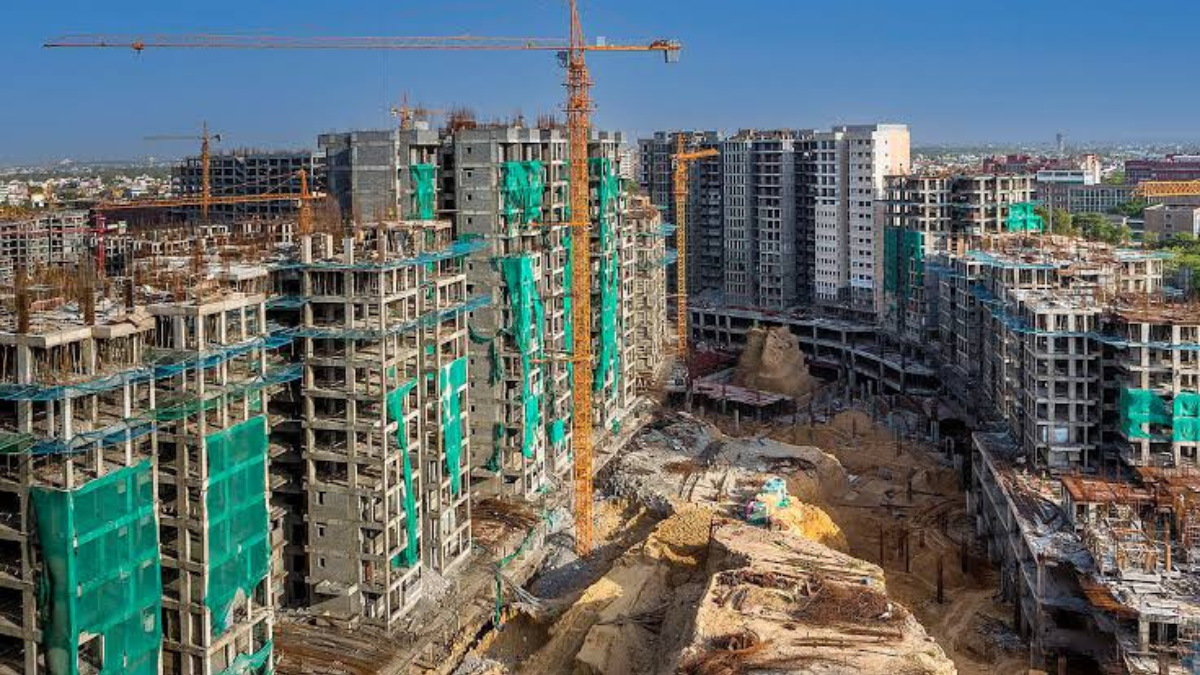
Mumbai, Maharashtra | September 3, 2026: Mumbai’s redevelopment market has expanded sharply in recent years, with more than 1,000 projects launched since 2020, according to a report by JLL India and NAREDCO. Redevelopment projects now account for around 13% of the city’s residential supply and 15% of housing sales, highlighting their growing importance in Mumbai’s property market.
The shift comes as the city faces limited developable land and a large stock of ageing buildings that require replacement. For homeowners, developers and property buyers, redevelopment is increasingly becoming a key source of new housing in established parts of Mumbai.
Redevelopment Now Accounts for 15% of Housing Sales
According to the report, redevelopment contributed around 15% of Mumbai’s housing sales during 2025-H1 2026, compared with just 6% during 2016-2021.
The rise indicates that buyers are increasingly choosing homes created through redevelopment projects, rather than relying only on new greenfield developments.
For Mumbai’s property market, this is an important shift because redevelopment allows additional housing supply to be created on already-developed land where vacant parcels are increasingly difficult to find.
Western Suburbs Lead Redevelopment Activity
The western suburbs remain at the centre of Mumbai’s redevelopment activity. Borivali, Malad, Andheri, Vikhroli and Goregaon together account for around 36% of redevelopment projects launched since 2020.
During 2025-H1 2026, western suburbs accounted for roughly 35–45% of redevelopment launches and sales, according to the report.
These locations could continue to attract developers and buyers because they combine established residential communities with existing transport, social and commercial infrastructure.
13,500 Cessed Buildings Need Replacement
The scale of Mumbai’s redevelopment opportunity is also linked to the city’s ageing building stock.
Around 13,500 cessed buildings across Mumbai have been identified as requiring urgent redevelopment. The Western Suburbs account for 22.4% of the ageing stock, while South Mumbai represents another 14.2%.
For residents living in older structures, redevelopment can provide an opportunity to move into safer and newer buildings while retaining a presence in established neighbourhoods.
Slum Redevelopment Pipeline Reaches 2,156 Acres
Slum rehabilitation is another major part of Mumbai’s redevelopment landscape.
The report identifies 1,202 active slum rehabilitation projects covering approximately 321,858 hutments across 2,156 acres. The land area involved is nearly four times the acreage completed during the first 30 years of the Slum Rehabilitation Authority’s existence since 1995.
Large projects such as the Juhu Lane-Gilbert Hill cluster, Dharavi redevelopment and the Motilal Nagar scheme in Goregaon demonstrate the increasing scale of redevelopment activity.
Mumbai’s Land Shortage Is Driving Redevelopment
Mumbai faces a structural shortage of developable land, making redevelopment an increasingly important route for adding housing supply.
Instead of expanding primarily through new land acquisition, developers can unlock additional development potential from ageing buildings, established housing clusters and other underutilised urban parcels.
This also allows new projects to benefit from existing neighbourhood infrastructure, although the ability of roads, drainage, utilities and public transport to support additional density remains an important consideration.
What the Redevelopment Boom Means for Homebuyers
For buyers, the growing redevelopment pipeline means more housing options in established Mumbai locations where new land availability is limited.
However, redevelopment projects also require careful due diligence. Buyers should examine project approvals, development timelines, developer credentials, RERA registration where applicable and the status of the underlying redevelopment arrangement before making a purchase.
For existing homeowners, redevelopment can potentially improve the quality and value of their properties, but project execution, rehabilitation arrangements and delivery timelines remain critical.
Mumbai’s Housing Market Is Entering a New Redevelopment Phase
The growing share of redevelopment in both launches and sales suggests that the segment is no longer a niche part of Mumbai’s real estate market.
With thousands of ageing buildings requiring replacement and large slum rehabilitation projects moving through the pipeline, redevelopment is likely to remain an important source of future housing supply.
For Mumbai’s property market, the bigger challenge now is not simply unlocking more land, but ensuring that redevelopment is executed safely, transparently and with adequate infrastructure to support the additional population.