
Mumbai 3.0 Push Could Reshape Property Growth Across MMR by 2047
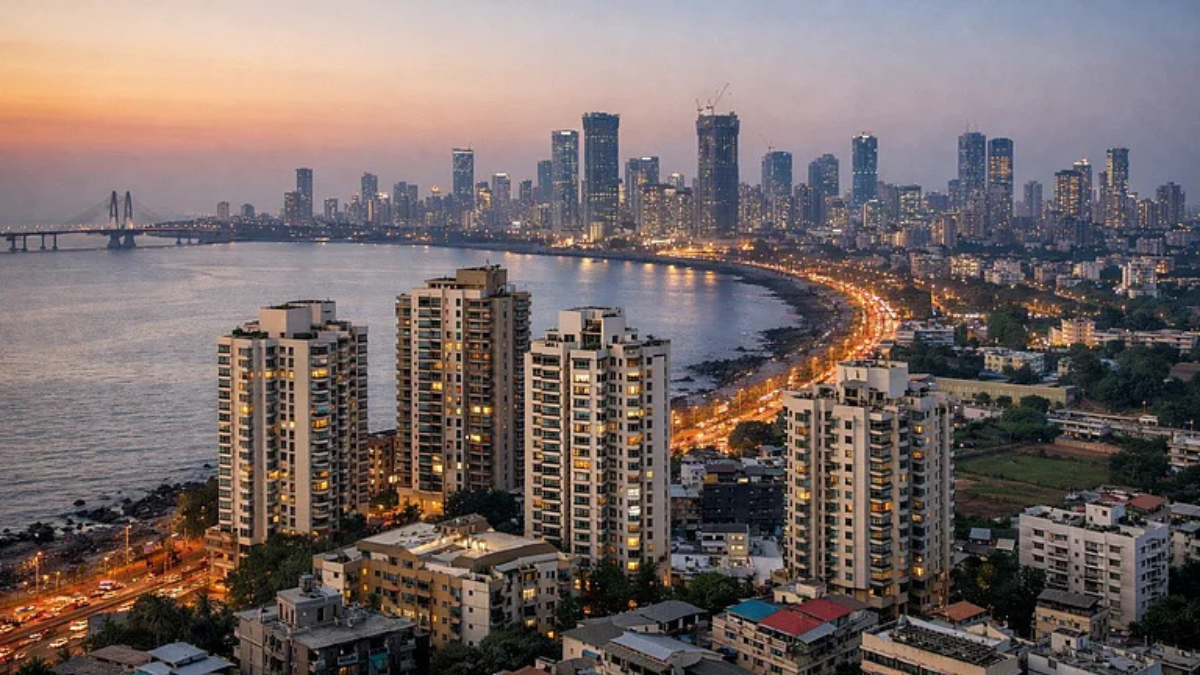
Mumbai, Maharashtra | September 5, 2026: Maharashtra is stepping up redevelopment and infrastructure investments across Mumbai and the wider Mumbai Metropolitan Region (MMR), with the State targeting a USD 1.5 trillion MMR economy by 2047. The strategy combines new transport links, redevelopment, airports, ports and emerging economic centres that could influence where housing, commercial activity and property investment develop across the region.
Mumbai 3.0 Moves Into Execution
Chief Minister Devendra Fadnavis said several projects that were earlier part of Mumbai’s long-term plans have now moved towards implementation. The broader Mumbai 3.0 programme includes the coastal road, metro expansion, airport infrastructure, redevelopment and new urban centres focused on education, healthcare and innovation.
For the property market, improved connectivity and the creation of new employment centres could gradually shift development beyond established Mumbai locations towards emerging areas of the MMR.
Redevelopment to Remain Central to Mumbai’s Growth
Redevelopment is expected to play a major role in Mumbai’s next phase of urban expansion. The State is pursuing a cluster-based approach aimed at addressing ageing settlements and improving land utilisation in established parts of the city.
The Government has also set a target of completing 10,000 rehabilitation homes in Dharavi by January 2029. Similar redevelopment opportunities could emerge across older MHADA layouts and ageing urban settlements.
Uttan-Virar Link and Third Airport Could Open Northern MMR
A proposed 24-km Uttan-Virar sea link is expected to strengthen connectivity in northern MMR. The project is planned as part of a wider coastal road network that could eventually connect Nariman Point with Virar through signal-free routes.
Maharashtra is also planning a third Mumbai airport in the Virar region, with its detailed project report expected by the end of 2026.
Together, these projects could increase the attractiveness of northern MMR for residential, commercial and logistics development if execution progresses as planned.
Vadhavan Port Could Create a New Property and Logistics Corridor
The development of Vadhavan Port in Palghar is another major component of the State’s infrastructure strategy. The deep-draft port is expected to expand maritime capacity while supporting employment and economic activity across Palghar and Thane.
Proposed freight connectivity from Vadhavan towards Nashik and onward through the Samruddhi Mahamarg could further strengthen industrial and logistics activity along the corridor.
For real estate, improved freight connectivity can create demand for warehousing, industrial land, worker housing and supporting commercial infrastructure around emerging economic nodes.
Pune and Nagpur Get New Growth Focus
The State is also expanding its development strategy beyond Mumbai. A new airport for Pune, growing Global Capability Centres (GCCs) and a proposed Mumbai-Pune Quantum Corridor are expected to support technology-driven economic activity.
In Nagpur, the Naveen Nagpur initiative is being positioned as a new urban and economic development opportunity. The State is seeking investment in infrastructure and economic activities linked to the proposed development.
BEST Depots and 14,000 Acres Could Attract Private Investment
Mumbai’s BEST depot land is also being considered for comprehensive redevelopment, potentially combining transport facilities with residential, commercial, recreational and public uses.
Separately, Transport Minister Pratap Sarnaik said tenders for converting 140 MSRTC depots into modern Bus Ports are expected within three months. The initiative could unlock development potential across approximately 13,000–14,000 acres of MSRTC land through private participation.
Integrated transport hubs could create new commercial and mixed-use development opportunities while improving public infrastructure.
Property Market Activity Signals Strong Demand
Mumbai recorded around 12,500 property registrations in August 2026, taking cumulative registrations beyond 1.06 lakh, according to figures cited by the Chief Minister. These transactions generated around 9,355 crore in government revenue.
The activity comes as Mumbai continues to face limited land availability, making redevelopment and infrastructure-led expansion increasingly important for future housing and commercial supply.
What the MMR Growth Plan Means for Property Buyers
The combination of redevelopment, airports, metro and road expansion, ports and new economic centres could gradually create new property growth corridors across MMR.
However, buyers and investors should not assume that every infrastructure announcement will immediately translate into higher property values. Project timelines, land acquisition, approvals, connectivity and actual employment creation will determine how individual locations perform.
For developers, the scale of planned infrastructure also points to opportunities in residential, commercial, logistics and mixed-use projects around emerging transport and employment hubs.