
Mumbai 3.0 Could Create a New Property Hotspot as ₹4,000 Crore Pushes Mega City Plan
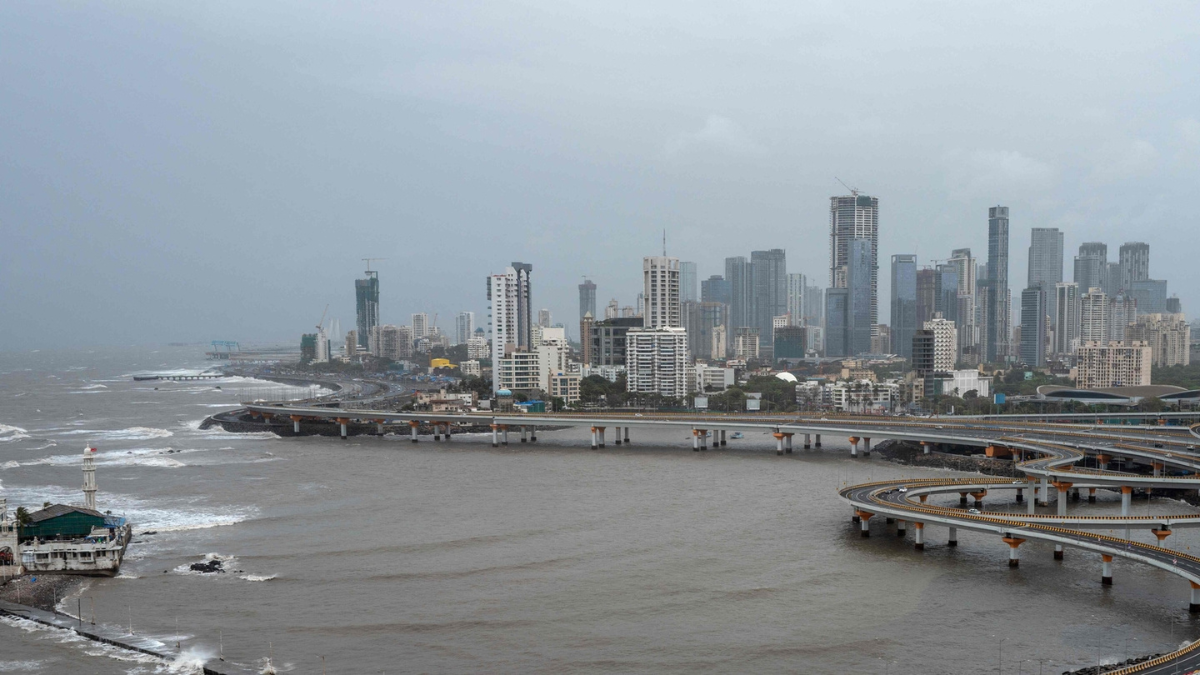
Mumbai, August 20, 2026: Mumbai's next major real estate growth corridor could emerge on the Navi Mumbai-Raigad side as the proposed Karnala-Sai-Chirner (KSC) New Town, popularly referred to as Mumbai 3.0, receives a major infrastructure push.
The Mumbai Metropolitan Region Development Authority (MMRDA) has earmarked ₹4,000 crore for the project in its 2026-27 budget. The proposed new town will cover around 323.44 sq km across 124 villages in Uran, Panvel and Pen talukas of Raigad district.
Why Mumbai 3.0 Matters for Property Buyers
The project is being planned as more than a residential extension. Its proposed development includes commercial districts, technology hubs, logistics facilities, data centres, healthcare, education and residential areas.
This could create a new ecosystem where employment, housing and supporting infrastructure develop together, potentially reducing dependence on existing Mumbai and Navi Mumbai centres.
For property buyers and investors, the most important opportunity could be the creation of new micro-markets around major infrastructure corridors.
Atal Setu and Airport Give the Region a Connectivity Advantage
Mumbai 3.0 is strategically located near the Atal Setu and Navi Mumbai International Airport.
The proposed urban centre is also expected to benefit from the Panvel-Karjat railway corridor, Virar-Alibaug multimodal corridor and Mumbai-Pune Expressway.
This combination of road, rail and airport connectivity could make the KSC region increasingly attractive for residential, commercial and logistics development.
₹4,000 Crore Infrastructure Push
MMRDA has earmarked ₹4,000 crore for KSC New Town during 2026-27, signalling a significant infrastructure commitment to the proposed city.
Land acquisition is also progressing, with landowners in the 124 villages being offered different compensation options, including monetary compensation, development rights and land pooling.
New Residential and Commercial Markets Could Emerge
Large-scale infrastructure development could gradually create demand for homes, offices, retail spaces, logistics facilities and other supporting services.
The proposed economic ecosystem is expected to target sectors such as IT and IT-enabled services, financial services, global capability centres, data centres, healthcare, education and logistics.
For homebuyers, this could eventually mean more housing choices outside established Mumbai and Navi Mumbai markets, while developers could gain access to new development corridors.
The Project Will Take Time to Mature
Despite the ₹4,000 crore allocation, Mumbai 3.0 will not develop overnight. Planning and land-related processes are still underway, and the first phase could begin taking shape towards the end of this decade.
The larger urban ecosystem is expected to take considerably longer to develop.
For buyers and investors, the key factor will therefore be actual execution of infrastructure and employment hubs, rather than simply the announcement of the new city.
What It Could Mean for Mumbai Real Estate
If infrastructure, employment centres and social amenities develop as planned, Mumbai 3.0 could become an important new residential and commercial growth corridor in the MMR.
Its proximity to Atal Setu, Navi Mumbai International Airport and major transport corridors gives the region a strong starting advantage. The real estate impact, however, will depend on how quickly land acquisition, infrastructure development and commercial activity move forward.