
Haryana Plans Five New Greenfield Cities Along KMP Expressway as NCR Expands
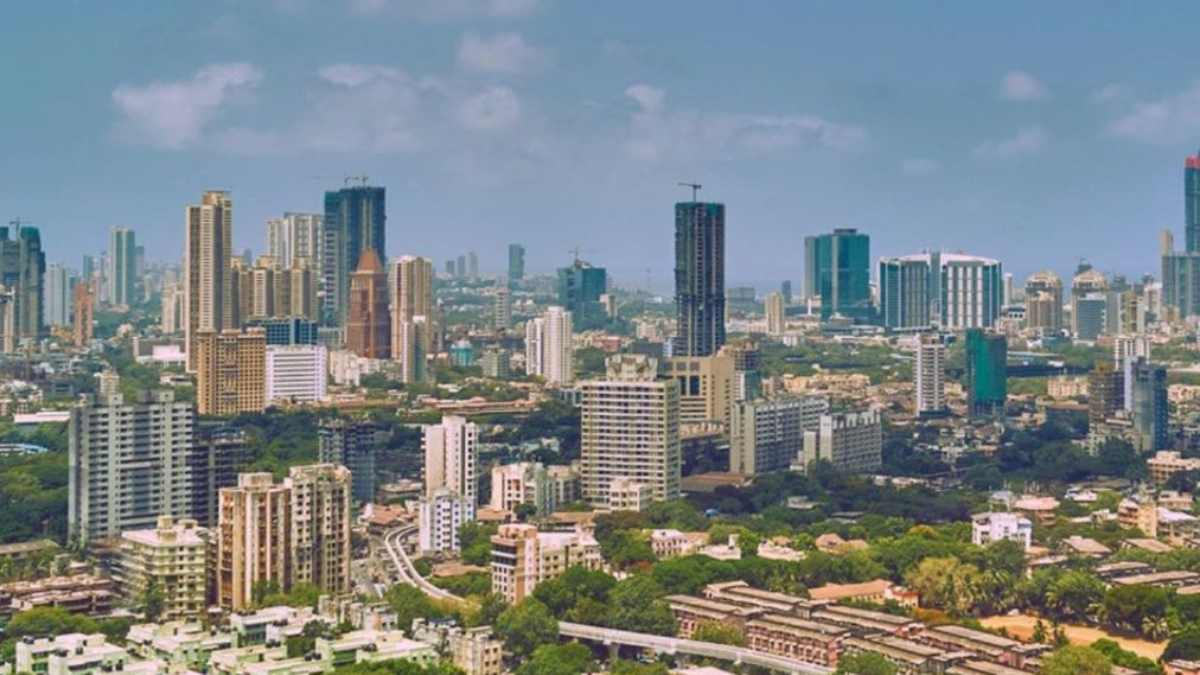
Haryana | September 24, 2026: Five new greenfield cities planned along the Kundli-Manesar-Palwal (KMP) Expressway could create a new development belt around Delhi-NCR, with Haryana looking to combine large-scale housing, public transport and modern urban infrastructure outside the existing metropolitan core.
The proposed cities are being planned around future population and infrastructure needs up to 2041. If the plan progresses as outlined, areas along the KMP corridor could see increased demand for residential, commercial and supporting real estate over time.
What Is the Panchgram Project
The Haryana government has started the process of forming the Panchgram Development Authority for the proposed urban development programme.
The plan envisages five greenfield cities on both sides of the approximately 135-km KMP Expressway, making the expressway the central development spine.
The objective is to create planned urban centres with housing, public infrastructure, transport connectivity and other civic facilities rather than allowing growth to remain concentrated in existing NCR cities.
Why KMP Could Become the Development Spine
The KMP Expressway already provides a major road connection around Delhi-NCR. Under the proposed development model, its role could expand from a transport corridor into the backbone of a much larger urban growth zone.
For property markets, the important factor will be whether residential and commercial development follows the planned infrastructure in a coordinated manner.
The proposed cities are expected to incorporate:
- Planned residential areas
- Commercial development
- Public transport
- Modern civic infrastructure
- Green and open spaces
- Supporting social infrastructure
Metro and Namo Bharat Could Change Accessibility
Connectivity is one of the biggest components of the proposed plan.
The government has outlined potential expansion of existing metro networks from Delhi, Gurugram and Faridabad towards the new urban centres.
The plan also envisages connecting the cities through Namo Bharat/RRTS infrastructure, potentially linking the new development belt with major NCR destinations.
Another important proposal is the 35.25-km Gurugram-Panchgaon metro corridor, which is planned with 28 stations.
For homebuyers and developers, the actual impact will depend on which corridors receive approvals, construction timelines and operational connectivity.
What the Singapore Model Means
Haryana officials have described the proposed cities as being planned on the lines of Singapore, with an emphasis on organised urban development, modern infrastructure and public transport.
Industries Minister Rao Narbir Singh has said the government is moving towards establishing the Panchgram Development Authority for this purpose.
Chief Minister Nayab Singh Saini has also discussed the project at an NCR Planning Board meeting.
The state government is additionally planning a high-level delegation visit to Singapore to study aspects of its urban development model.
The Singapore reference therefore represents the government's stated planning approach; it does not mean the proposed Haryana cities will replicate Singapore's development system in full.
Why Property Buyers and Developers Should Watch This
Large greenfield urban projects can gradually reshape where housing and commercial activity develops across a metropolitan region.
For property buyers, the proposed corridor could create new housing locations outside established NCR markets. Developers could also gain opportunities across residential, retail, logistics, office and supporting infrastructure sectors if the planned cities move into implementation.
However, buyers considering land or property around the proposed corridor should distinguish between:
- Announced plans
- Approved infrastructure
- Land acquisition or development notifications
- Actual construction
- Operational connectivity
A future infrastructure proposal alone does not establish that property values will rise.
What Happens Next
The immediate step is the formation and operationalisation of the Panchgram Development Authority, followed by detailed planning for the five proposed cities.
The government is also expected to study Singapore's urban development practices as part of the planning exercise.
The next developments to watch will be the final boundaries of the five urban centres, land-use planning, infrastructure approvals, transport alignment, land acquisition or pooling decisions and project implementation timelines.
If these stages progress, the KMP corridor could gradually emerge as another major planned urban development belt around Delhi-NCR.