
Bengaluru Region Targets $400 Billion Economy by 2037 With Major Housing and Infrastructure Push
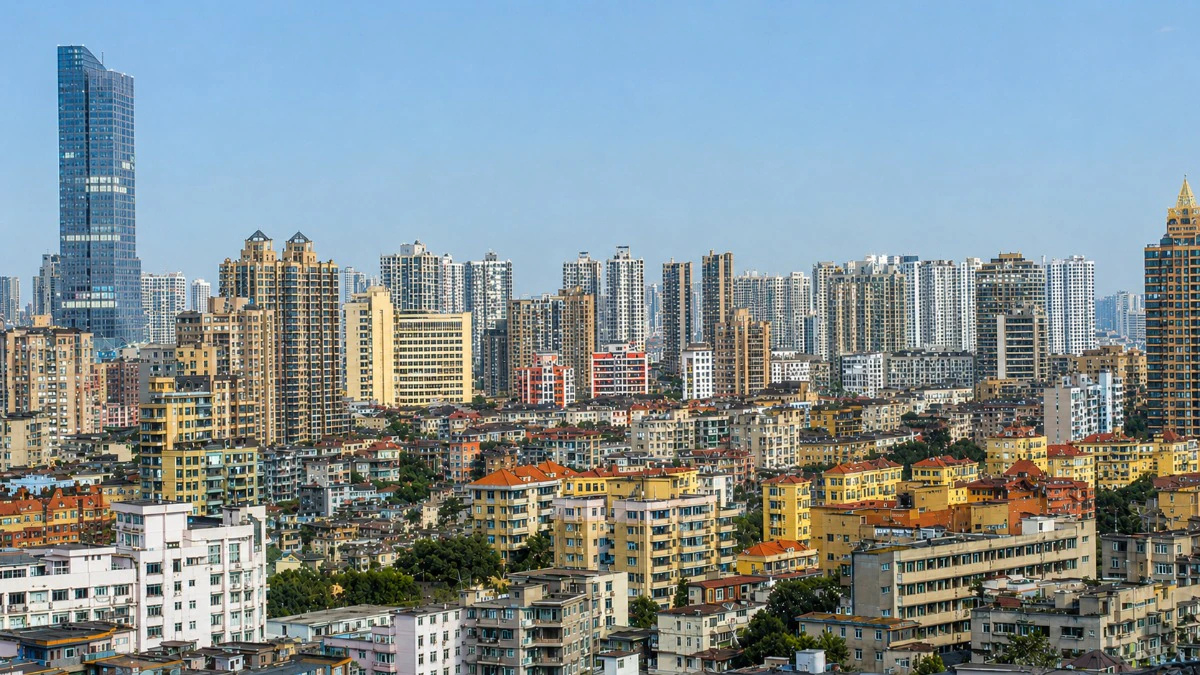
Bengaluru, Karnataka | September 3, 2026: Karnataka has unveiled an Economic Master Plan aimed at expanding the Bengaluru Metropolitan Region (BMR) economy from around $149 billion to $400 billion by 2037. The plan could reshape the region’s housing, infrastructure and commercial real estate landscape as the government targets millions of new jobs and large-scale urban development.
Prepared by the Institute for Sustainability, Employment and Growth (ISEG) Foundation in collaboration with the state government, the plan proposes stronger transport networks, new business districts, planned townships, affordable housing and infrastructure upgrades across the metropolitan region.
BMR Could Add 2–2.5 Million New Jobs
The Bengaluru Metropolitan Region currently covers three districts and is home to around 16 million people. According to the plan, it contributes nearly 40% of Karnataka’s gross state domestic product despite accounting for about a quarter of the state’s population.
The proposed growth strategy targets the creation of 2–2.5 million jobs, with technology, advanced manufacturing, healthcare, education and tourism identified as major growth sectors.
For the property market, such employment growth could translate into increased demand for homes, rental accommodation, offices and supporting commercial infrastructure.
Transport Expansion Could Reshape Property Corridors
The master plan proposes increasing public transport’s share from the current 35% to 75% through expansion of metro, suburban rail and regional rapid transit networks.
It also calls for a second airport, stronger ring, radial and chord roads, as well as multimodal transport hubs.
For property owners and investors, large transport projects can influence development patterns by improving connectivity between residential areas, employment centres and commercial districts. Transit-oriented development proposed under the plan could further encourage denser development around major transport corridors.
New Townships and Business Districts Planned
The plan proposes planned cities, services-led business districts, integrated private townships and transit-oriented developments to accommodate Bengaluru’s future growth.
The strategy also envisions dedicated IT and Global Capability Centre hubs, along with infrastructure for artificial intelligence, technology startups and deep-tech businesses.
As new employment clusters emerge, demand for nearby residential and commercial real estate could increase, particularly in areas that gain improved connectivity to these hubs.
Affordable and Rental Housing Gets Focus
The plan recognises the need for housing for industrial, gig and services workers and proposes expanding affordable and shared rental accommodation.
A slum rehabilitation programme has also been proposed as part of the broader urban transformation strategy.
For Bengaluru, where housing affordability and rental demand remain closely linked to employment growth, the availability of worker housing could become an important factor in sustaining future economic expansion.
Advanced Manufacturing Could Create New Real Estate Demand
Beyond IT, BMR is proposed as a major deep-tech manufacturing hub across sectors including aerospace and defence, electronics, automotive, biopharma and medical devices.
The expansion of these industries could generate demand for industrial facilities, warehouses, worker housing and supporting commercial developments.
Healthcare, higher education and high-end tourism have also been identified as growth areas, potentially creating additional demand for specialised real estate across the region.
Water Security Becomes Critical for Future Growth
The master plan also identifies water security as a key requirement for Bengaluru’s expansion.
It recommends increasing water supplies, expanding the reuse of treated wastewater and improving distribution networks. These measures are important for residential and commercial development because reliable water infrastructure will be essential as the metropolitan population and built-up area grow.
What the $400 Billion Target Means for Bengaluru Property
If the proposed plan is implemented, Bengaluru could see significant changes in where housing, offices, industrial activity and supporting infrastructure develop over the next decade.
For property buyers and investors, the areas to watch will be locations benefiting from new public transport corridors, employment hubs, planned townships and improved civic infrastructure.
However, the master plan is currently a strategic framework. The Karnataka government will consult stakeholder departments before finalising an actionable growth plan. The actual impact on individual locations will therefore depend on which projects are approved, funded and implemented.