
Supreme Court Restricts Construction Near Jojari River to Protect Rajasthan’s River Ecosystem
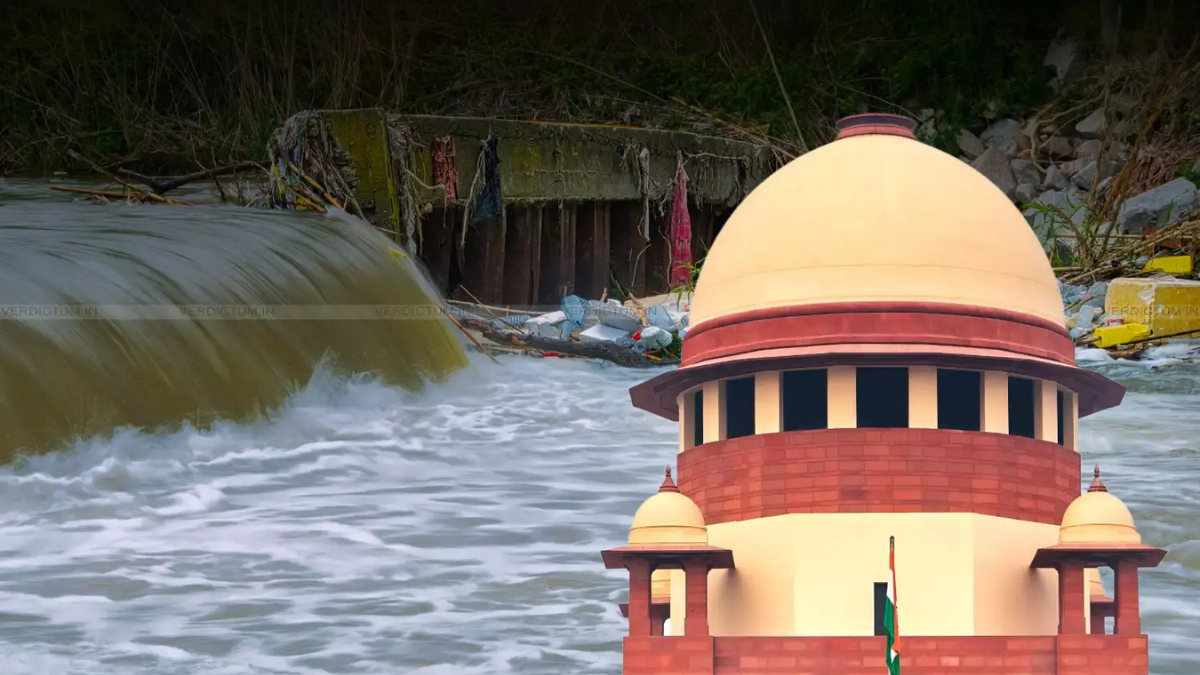
Jodhpur, Rajasthan, August 24, 2026: The Supreme Court has imposed interim restrictions on construction and development activities near the Jojari River in Rajasthan, directing that no construction or development activity be permitted within 100 metres of the river’s edge. The order could have a direct impact on landowners, developers and upcoming real estate projects located near the river.
100 Metre Construction Buffer Around Jojari River
The Supreme Court directed that construction and development activity within 100 metres of the edge of the Jojari River will remain prohibited as an interim measure.
The restriction will continue until a scientific exercise is completed to determine and demarcate the High Flood Line and required ecological buffer zones.
The move comes amid concerns over serious ecological degradation of the Jojari River and the wider Jojari-Bandi-Luni river system.
Polluting Activities Barred Within 500 Metres
The Court has also imposed a wider restriction on activities that could cause pollution or contamination.
No industry or activity capable of causing pollution, contamination or other damage to the river ecosystem will be permitted within 500 metres on either side of the existing flood line, wherever the flood line has already been identified.
Where the flood line has not been identified, the 500-metre restriction will apply on either side of the river's present flow path.
What This Means for Property Owners and Developers
The interim directions could affect properties and development projects located close to the Jojari River.
Developers planning housing, commercial projects or other construction near the river will need to carefully assess the property's distance from the river and applicable environmental restrictions before proceeding.
For landowners, the order makes location-specific due diligence even more important, particularly for plots located near riverbeds, flood-prone areas or environmentally sensitive zones.
Scientific Survey to Determine Future Buffer Zones
The 100-metre restriction is an interim safeguard. The Court has directed that a scientific exercise be undertaken to determine the High Flood Line and appropriate ecological buffer zones.
The findings of this exercise could ultimately influence the extent of development restrictions around the river.
River Restoration Bodies to Coordinate Conservation Work
The Supreme Court also examined the functioning of the High-Level Ecosystem Oversight Committee and the Integrated Coordination Group, which are involved in implementing measures for restoration of the Jojari-Bandi-Luni river system.
The Court noted an overlap in the composition of the two bodies and directed that their respective roles be clarified to ensure effective implementation of its directions.
The Integrated Coordination Group will function as an internal government coordination mechanism, while the Oversight Committee will continue to exercise its assigned mandate.
Why This Matters for Rajasthan Real Estate
The order is important for Rajasthan's real estate sector because environmental restrictions around rivers can directly influence where construction is permitted, what projects can be developed and how land near water bodies can be used.
For homebuyers and property investors, the development is a reminder to check environmental clearances, flood-line restrictions and applicable land-use rules before purchasing property near rivers or other sensitive ecological areas.
The Supreme Court is scheduled to hear the matter next on September 22, 2026.