
Delhi’s MPD 2047 Plan Gets a Major Push, DDA to Hold 20+ Meetings on Land Pooling and New Development
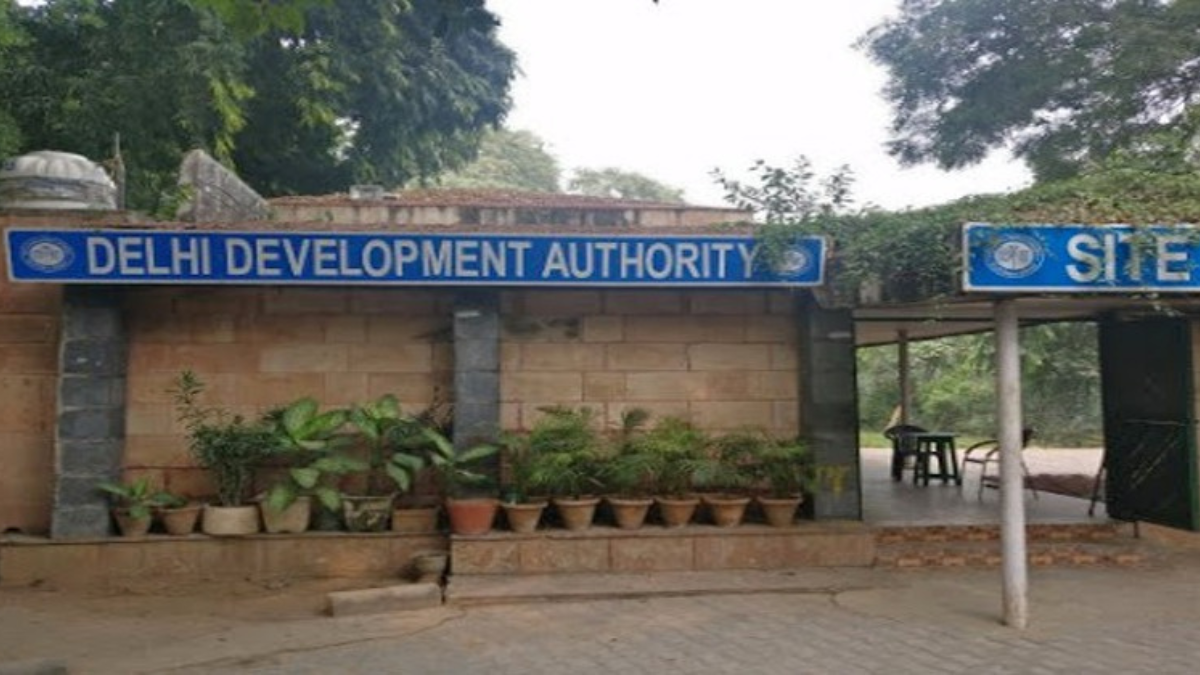
New Delhi, August 24, 2026: Delhi’s Master Plan for Delhi (MPD) 2047 is set for a major implementation push, with the Delhi Development Authority (DDA) planning more than 20 stakeholder meetings over the next three months.
The meetings, being held under the directions of Delhi’s Lieutenant Governor, will bring together elected representatives, government agencies, industry bodies, architects, residents, landowners, farmers and other stakeholders to discuss how different provisions of MPD 2047 can be implemented more effectively.
For Delhi property owners and landowners, the discussions are particularly important because land pooling, transit-oriented development and high-density corridors could influence future development potential and land use across several parts of the capital.
Why DDA Is Holding More Than 20 Meetings
The DDA plans to consult different groups on key provisions of MPD 2047, including:
- Transit-Oriented Development (TOD)
- High-Density Corridors (HDCs)
- Land pooling
- Low-Density Areas (LDAs)
- Industrial development
- Mixed-use development
- Yamuna rejuvenation
- Heritage conservation
- Slum redevelopment
- Mobility and education infrastructure
Separate discussions will also be held with government agencies and service providers to improve coordination during implementation.
Land Pooling Could Be One of the Biggest Changes
One of the major focuses will be the land pooling policy, which could have a direct impact on landowners and future development in Delhi’s urban extension areas.
The DDA has said that amendments to the Delhi Development Act, 1957 will be initiated to facilitate faster implementation of the land pooling policy.
A key proposal involves high-density mixed-use development along Urban Extension Road-II (UER-II) in land pooling areas.
7,615 Applications and Over 7,885 Hectares Already Registered
The land pooling area currently covers 105 revenue villages across six planning zones — K-I, L, N, P-II, part of P-I and J.
These areas have been divided into 138 sectors.
According to DDA officials, by July 2026:
- More than 7,615 applications had been received
- Over 7,885 hectares of land had been registered or pooled
- One land pooling plan had been sanctioned
- 15 plans had reached maturity
This makes the upcoming regulatory changes particularly important for landowners who are already participating in the land pooling process.
Landowners Want Faster Rules
While the DDA is planning consultations, residents and landowners are urging the authority to notify regulations under various MPD 2047 policies quickly.
Residents have raised concerns that delays in defining terms, conditions and applicable charges could create uncertainty for applicants.
They have also warned that prolonged delays could encourage unauthorised construction in areas awaiting regulatory clarity.
Farmhouse Policy Also Faces Concerns
Residents have separately raised concerns over the Low-Density Area policy.
According to the report, the DDA has increased the proposed minimum farmhouse plot size from one acre to 2.5 acres. Residents argue that around 90% of the villages covered under the policy have plots smaller than two acres.
This could make the revised policy particularly significant for existing landowners whose plots fall below the new threshold.
What MPD 2047 Could Mean for Delhi Property Owners
The implementation of MPD 2047 could influence how land is used and developed across several parts of Delhi.
For landowners, the biggest areas to watch are land pooling, development regulations, TOD zones, high-density corridors and low-density area rules.
For homebuyers and property investors, changes in infrastructure, connectivity and permitted development could eventually influence the attractiveness and value of different locations.
However, the impact will depend on the final regulations and their implementation on the ground.
What Happens Next
The DDA will conduct the planned stakeholder meetings over the next three months and consult different groups on MPD 2047 provisions.
At the same time, amendments to the Delhi Development Act are expected to be initiated to support faster implementation of the land pooling policy.
For Delhi’s landowners and property stakeholders, the key issue now is whether these consultations and proposed legal changes can finally translate into clear regulations, faster approvals and actual development on the ground.