
GRAP-1 Restrictions Imposed Across Delhi-NCR as Air Quality Turns Poor
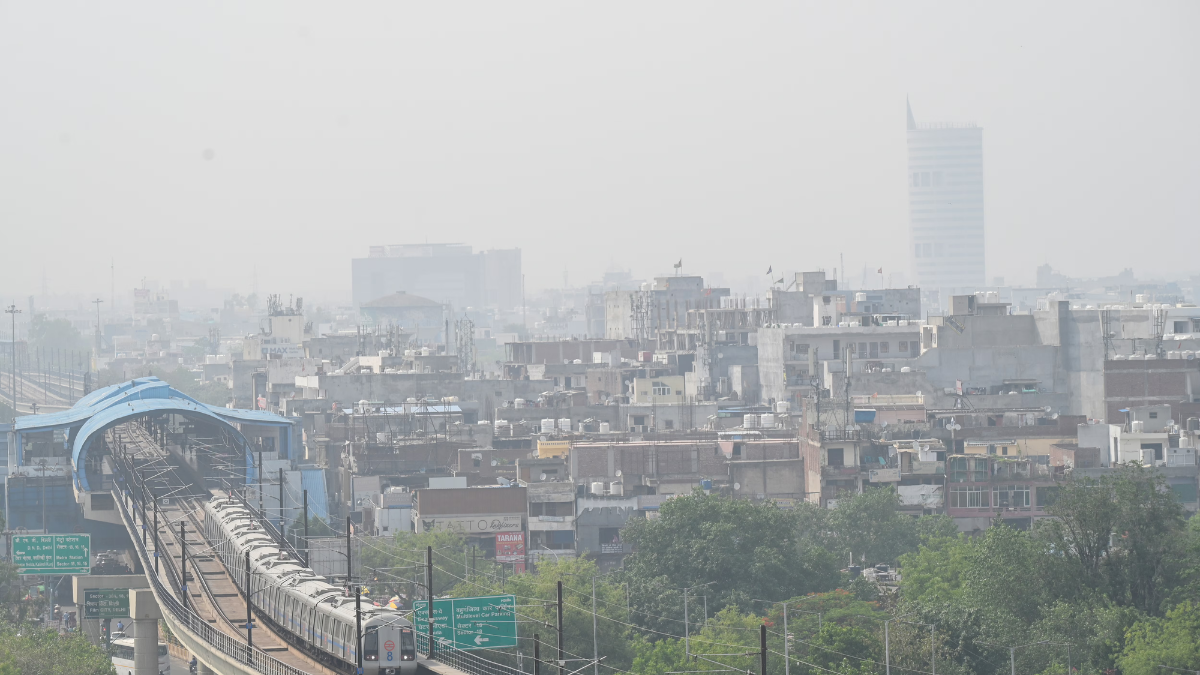
New Delhi | October 22, 2026: Delhi-NCR has entered the first stage of the Graded Response Action Plan (GRAP) after the capital's air quality deteriorated to the 'poor' category, bringing fresh restrictions aimed at preventing further pollution levels from rising.
The Commission for Air Quality Management (CAQM) activated GRAP Stage 1 on October 21 after Delhi's Air Quality Index (AQI) climbed to 244 at 2 pm, compared with 179 a day earlier.
Delhi Air Quality Deteriorates Within a Day
Delhi's AQI moved from the 'moderate' category on October 20 to 'poor' the following day. Weather and air-quality forecasts indicated that pollution levels could remain in the poor category over the coming days, prompting authorities to activate the first stage of GRAP measures across Delhi-NCR.
The move is intended to control activities that can contribute to a further deterioration in air quality.
What GRAP-1 Restrictions Mean
Under Stage 1 of GRAP, the use of coal and firewood as fuel in tandoors at hotels, restaurants and open eateries is prohibited.
The use of diesel generator sets has also been restricted, with their operation permitted only for emergency and essential services under the applicable measures.
These restrictions are designed to reduce emissions from commercial establishments and backup power generation during periods of worsening air quality.
Why the Move Matters for Delhi-NCR
The activation of GRAP-1 is significant for residents, businesses and property owners across the region because sustained poor air quality can influence day-to-day activities as well as the operating conditions for commercial and residential developments.
For property owners and businesses, compliance with pollution-control measures becomes particularly important as authorities move to prevent the situation from escalating into stricter GRAP stages.
GRAP Has Four Stages
The Graded Response Action Plan operates through progressively stricter measures based on air-quality conditions.
-
GRAP-1: AQI between 201 and 300
-
GRAP-2: AQI between 301 and 400
-
GRAP-3: AQI between 401 and 450
-
GRAP-4: AQI above 450
As pollution levels rise, additional restrictions can be introduced to limit activities contributing to poor air quality.
What Residents and Businesses Should Watch
With forecasts indicating that Delhi's air quality may remain in the poor category, residents and businesses should keep track of further directions from the authorities.
Commercial establishments using combustion-based cooking fuels or diesel generators should ensure that their operations comply with the applicable GRAP-1 requirements.
What Happens Next
The immediate focus will be on preventing Delhi-NCR's air quality from deteriorating further. If pollution levels rise significantly, authorities can move to higher GRAP stages, bringing additional restrictions across construction, transport, industrial and other activities.
For now, the activation of GRAP-1 signals that Delhi-NCR has entered the initial phase of its seasonal pollution-control measures.