
Lower Home Prices Fail to Bring Buyers Back as Mortgage Rates Stay Above 7%
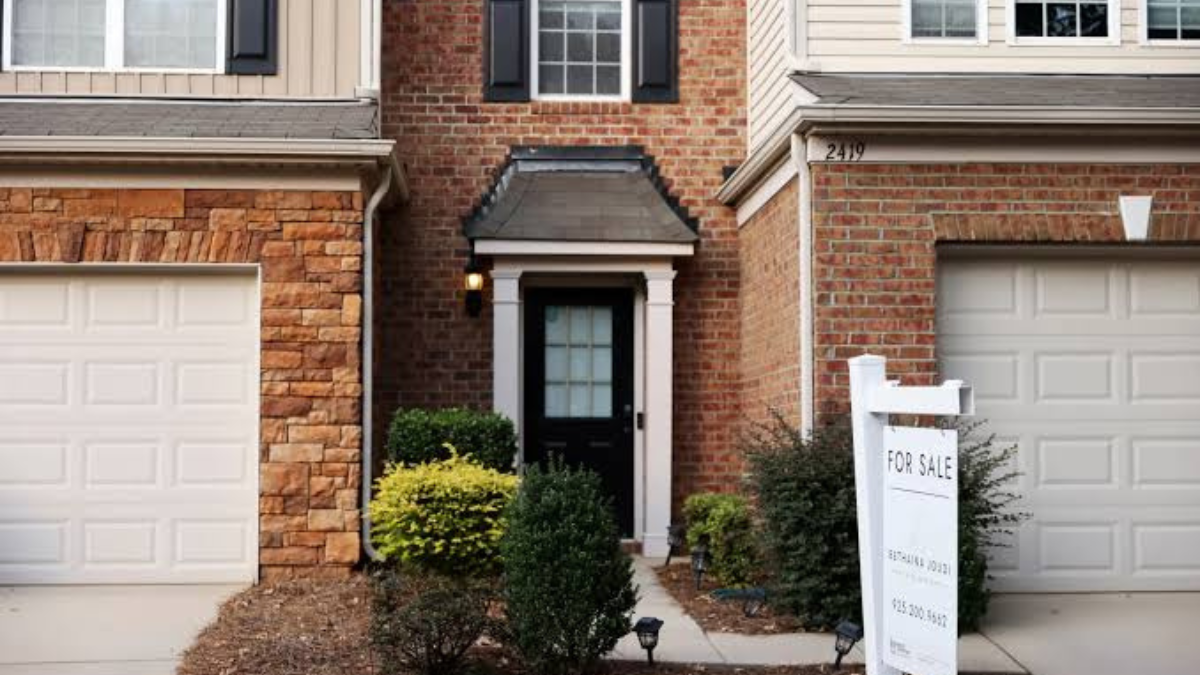
United States | October 22, 2026: Home prices are easing in several US housing markets, but buyers are still holding back as mortgage rates remain above 7%. Markets including Omaha, Huntsville and Tulsa are seeing weaker contract activity despite median asking prices remaining below the national level.
The trend highlights a growing affordability problem: a lower purchase price does not necessarily translate into a lower monthly mortgage payment when borrowing costs rise.
Higher Mortgage Rates Are Erasing the Benefit of Lower Prices
The impact can be seen through a simple comparison.
A $450,000 home purchased with a 20% down payment at a 5.98% 30-year mortgage rate would result in an estimated monthly principal and interest payment of about $2,154.
A buyer purchasing a $395,000 home at a 7.40% rate would pay approximately $2,188 a month.
Despite the second property costing $55,000 less, the monthly principal and interest payment would be about $34 higher. Taxes, insurance and other housing expenses would further increase the overall cost.
Omaha's Housing Demand Has Been Cooling
Omaha has recorded a sustained decline in contract activity compared with the number of new homes entering the market.
During comparable eight-week periods, the market averaged around 122 new pending contracts for every 100 new listings in 2024. The ratio dropped to 109 in 2025 and 94 in 2026.
Active inventory has also increased from about 1,940 homes in October 2024 to approximately 2,350 in October 2026.
Yet prices have remained relatively firm. Omaha's median active asking price stands at around $388,375, up 1.7% year over year. Around 31.8% of active listings have recorded price reductions.
Huntsville Sees Both Falling Prices and Weaker Demand
Huntsville's slowdown has emerged more recently, with contract activity weakening alongside declining asking prices.
The market averaged about 98 pending contracts for every 100 new listings in the comparable period in 2024. That increased to 105 in 2025 before falling to 84 in 2026.
Homes are also taking longer to sell. Median active days on market increased from approximately 70 in 2024 to 76 in 2025 and 82 in 2026.
The median active asking price has fallen 3.5% year over year to about $361,900. Nearly 40.9% of active listings have undergone price reductions, while inventory stands at roughly 4.1 months.
Tulsa's Buyer Activity Is Losing Momentum
Tulsa is showing a similar pattern of weakening demand.
For the week ending October 16, the market recorded about 65 new pending contracts for every 100 new listings, compared with 118 during the same week in 2025.
Across eight comparable weeks, Tulsa averaged approximately 103 pending contracts per 100 new listings in 2024, 97 in 2025 and 87 in 2026.
The median active asking price is around $334,900, down 1.5% from a year earlier. Nearly 48% of active listings have seen price reductions, while months of inventory is approximately 3.6.
US Housing Inventory Is Rising as Contracts Fall
The broader US housing market is experiencing a similar imbalance between supply and demand.
For the week ending October 16, active single-family inventory reached approximately 905,166 homes, up 5.3% year over year.
New listings increased 1% to 61,402, while new pending contracts declined 13.1% to 51,947.
The national median active asking price was approximately $434,900.
Omaha, Huntsville and Tulsa all have median asking prices below this level, but lower prices have not been enough to restore buyer momentum.
What Lower Prices Mean for Buyers and Sellers
For buyers, the latest market trend means that focusing only on the property's asking price can give an incomplete picture of affordability.
A lower-priced home may still carry a similar or even higher monthly payment if mortgage rates rise significantly. Buyers should therefore compare the complete cost of ownership, including the mortgage payment, property taxes, insurance, maintenance and other applicable expenses.
For sellers, the changing market could make pricing strategy increasingly important. A property may need to be priced according to what buyers can realistically afford each month rather than simply based on previous market values.
What Happens Next for the Housing Market
The next key indicators will be whether pending contracts stabilise, whether inventory continues to build and whether sellers respond with further price adjustments.
The current trend shows that the housing slowdown is not limited to America's most expensive markets. Even areas where homes remain relatively affordable by national standards can struggle when elevated mortgage rates reduce buyers' purchasing power.
For the US housing market, the bigger question is therefore no longer simply whether home prices are falling. It is whether those price reductions are large enough to offset the cost of financing a home.