
Bay Area Senior ADU Program Could Help Older Homeowners Stay in Their Communities
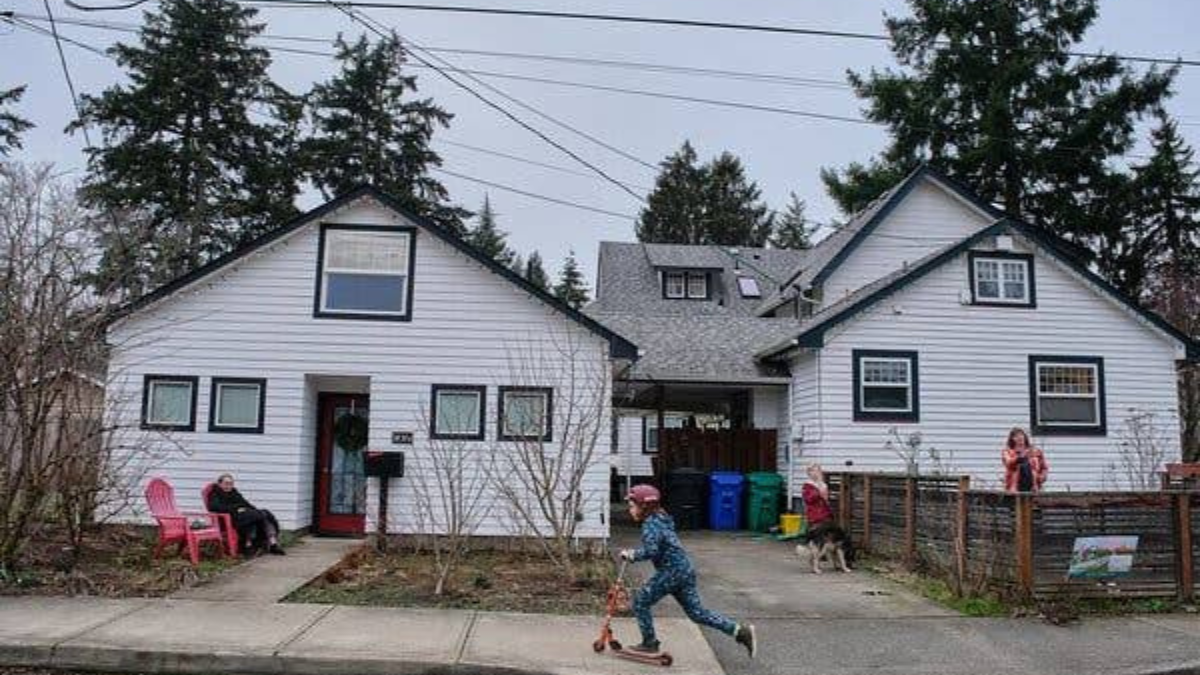
Alameda County, California | October 22, 2026: A new housing initiative being developed in Alameda County could give older homeowners a way to remain in their communities while creating additional housing for new families. The proposed program would help seniors on fixed incomes build accessory dwelling units (ADUs) on their properties and potentially unlock the value of their existing homes.
Under the proposed model, participating homeowners could move into the newly built, smaller ADU, subdivide their property and sell the original home. The proceeds could then be used to repay construction financing and provide greater financial flexibility to the homeowner.
Program Targets Seniors on Fixed Incomes
The initiative is designed primarily for older homeowners who may have significant housing wealth but limited monthly income.
By allowing eligible participants to create a smaller home on their existing property, the program could provide an alternative to leaving a familiar neighbourhood or community because of rising housing costs.
The smaller residence could also be designed to better suit the needs of seniors seeking a more manageable and potentially accessible home.
ADUs Could Create New Housing Supply
The programme has a second objective beyond helping older homeowners.
Once the original property is separated and sold, the existing larger home could become available to another household. This could create an additional pathway for increasing housing supply without relying entirely on new land development.
The approach could be particularly relevant in established Bay Area communities where land is expensive and opportunities for conventional housing development are limited.
California Housing Rules Support the Model
The proposed initiative draws on several California housing policies that have expanded options for residential property owners.
Assembly Bill 68 eased certain restrictions around ADU construction, while Proposition 19 provides eligible homeowners with options to transfer their property-tax assessment under specified circumstances.
Senate Bill 9 also provides qualifying property owners with a mechanism to split certain residential lots, creating the legal framework that can support this type of property restructuring.
Homeowners Could Face Difficult Decisions
Despite its potential benefits, the model could face practical and personal challenges.
Some homeowners may be unwilling to sell the family home, particularly if they intend to leave the property to their children or other heirs. The process of subdividing land, constructing an ADU and selling the original property can also involve legal, financial and administrative complexities.
Officials are therefore looking to appoint an administrator who can guide participating homeowners through the process.
Initial Target Is 10 ADUs
Alameda County plans to begin outreach for the initiative in early 2027.
The initial phase is expected to target the development of 10 ADUs, with an ambition to reach 50 ADUs within the following two years.
If successful, the programme could provide a model for other high-cost housing markets looking for ways to combine senior housing, homeownership wealth and additional housing supply.
What It Means for Bay Area Property Owners
For older homeowners, the initiative could offer a new way to rethink the value and future use of their property.
Instead of selling immediately or moving away from their community, eligible owners could potentially downsize into an ADU while using the larger existing home to generate funds through a sale.
For the wider property market, the programme highlights how ADUs and lot subdivision can play a role in increasing housing availability in established neighbourhoods where new development land is scarce.
What Happens Next
Alameda County is expected to focus first on selecting a programme administrator and preparing homeowners for participation.
Outreach is planned for early 2027, followed by the initial 10-ADU phase. The programme’s longer-term impact will depend on homeowner participation, financing availability and how effectively the county addresses the legal and practical challenges involved in property subdivision and redevelopment.