
Trump Administration Drafts Plan to Cut Mortgage Costs and Support Housing
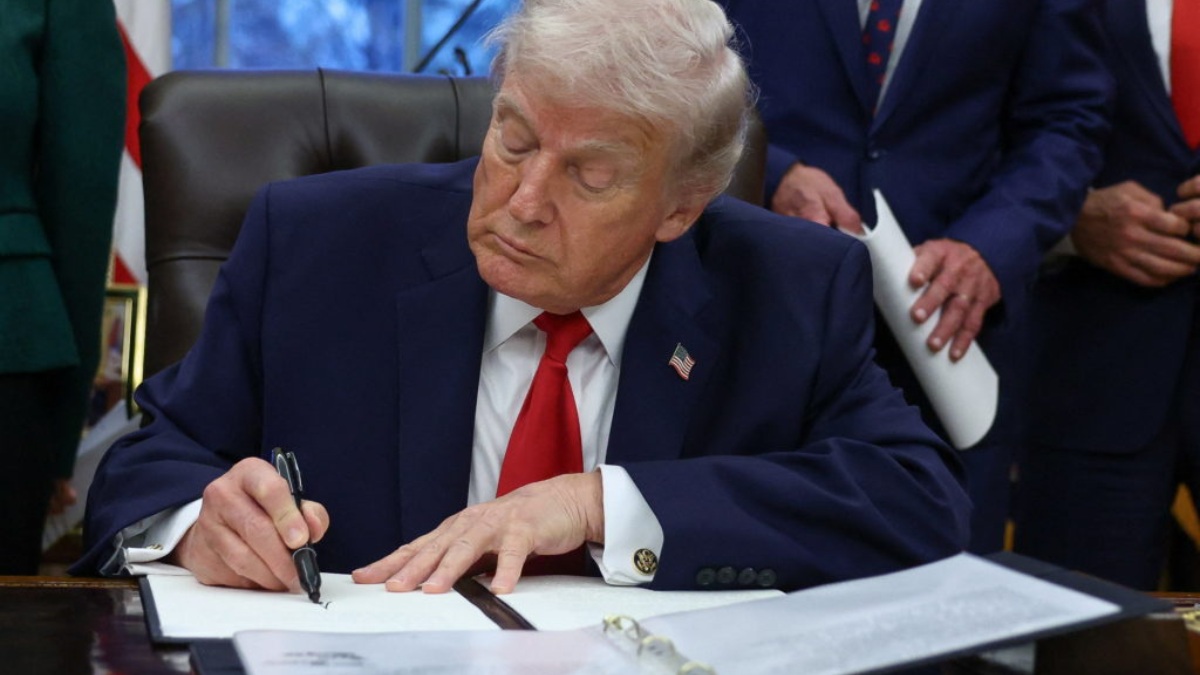
Washington, USA | October 22, 2026: A proposed executive order from the Trump administration could target several costs associated with buying and refinancing homes, while also encouraging new approaches to affordable housing construction. The draft focuses on mortgage insurance, refinancing expenses, government-backed home loans and manufactured housing.
The executive order has not yet been signed. If approved, it would direct federal agencies to examine regulatory and financing changes aimed at reducing barriers to homeownership.
Mortgage Insurance Costs Could Come Under Review
The draft proposes measures that could make it easier for eligible borrowers to identify when they can cancel private mortgage insurance (PMI).
The Federal Housing Finance Agency would be directed to work with Fannie Mae and Freddie Mac on using automated valuation models and other property data to identify borrowers who may qualify for mortgage insurance cancellation.
The proposal also calls for reducing unnecessary documentation, appraisal expenses and other administrative requirements associated with cancelling mortgage insurance.
Refinancing Could Become Less Expensive
The proposed order also targets the cost of refinancing existing home loans.
It calls for expanding a Fannie Mae title-waiver pilot into a nationwide programme and examining whether some refinancing transactions could qualify with fewer documentation and appraisal requirements.
For certain limited cash-out refinances that reduce a borrower's monthly payment, the proposal would also explore waiving income reverification and other documentation requirements where existing data is considered sufficient.
The draft further calls for reviewing loan-level price adjustments and other GSE fees associated with qualifying refinance transactions, with the intention that savings would be passed on to borrowers.
USDA and VA Home Loans Could See Lower Rates
Government-backed lending is another area addressed in the draft.
The proposal would direct the US Department of Agriculture and Department of Veterans Affairs to lower the interest rates charged on certain single-family loans originated directly by the departments.
If implemented, the move could reduce borrowing costs for eligible households using these government loan programmes.
Manufactured Housing Gets Fresh Policy Focus
The draft also proposes creating a federal Task Force on Manufactured Housing Innovation.
The task force would be jointly led by the Department of Housing and Urban Development and the FHFA, with participation from other federal departments.
It would have 180 days to recommend ways to encourage modern manufacturing methods for factory-built homes, reduce duplicative reviews and support greater production of affordable housing.
The group would also examine whether federal housing grants could be linked to state and local adoption of standardised permitting and licensing processes for factory-built housing.
Why Homebuyers and Property Owners Should Care
The proposed changes come at a time when mortgage costs remain a major barrier for US homebuyers.
Lower refinancing expenses could help existing homeowners reduce monthly payments if they become eligible for streamlined transactions. Easier mortgage-insurance cancellation could also reduce the ongoing cost of homeownership for qualifying borrowers.
For prospective buyers, however, the impact would depend on whether the proposed measures ultimately translate into lower borrowing costs and greater housing supply.
What Happens Next
The proposed executive order is still in draft form and has not been signed by President Donald Trump.
If it is issued, federal agencies would have to begin implementing the relevant policy directions and evaluating the proposed changes. The impact on mortgage costs, refinancing and housing supply will therefore depend on the final order and subsequent agency actions.
For the US property market, the proposal signals continued federal attention on reducing the financing and regulatory barriers affecting both homeownership and housing construction.