
Bombay High Court Cancels Separate Society Registration for Two Prabhadevi Building Wings
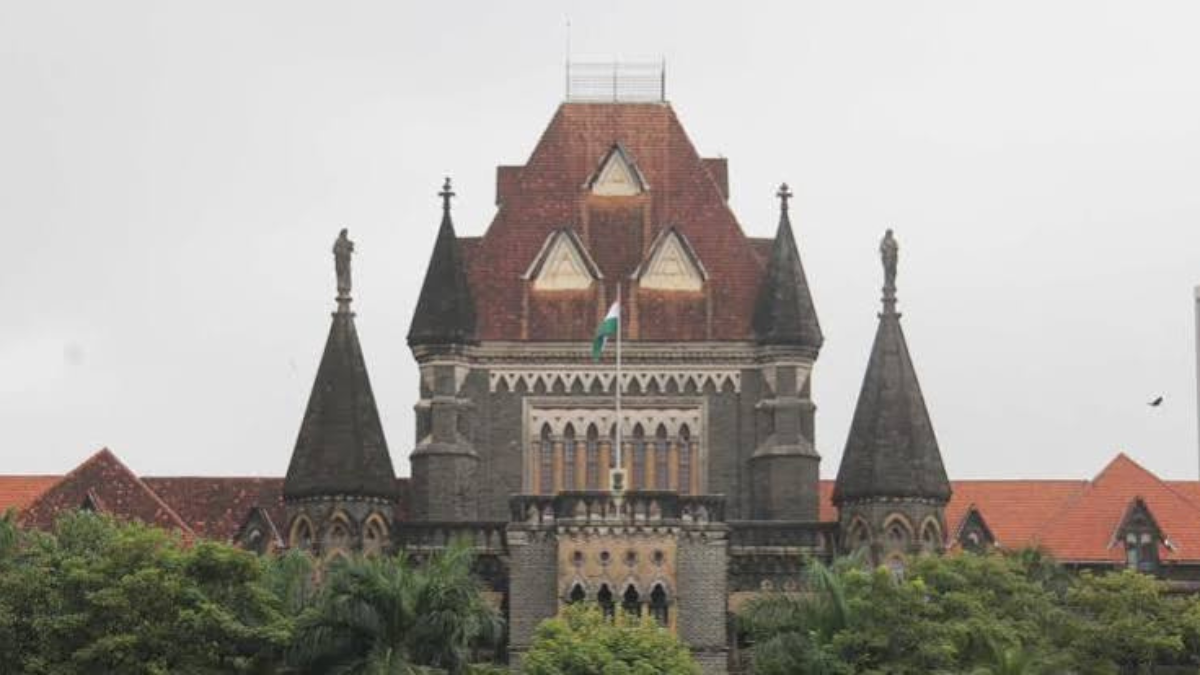
Mumbai, Maharashtra | September 21, 2026: A separate housing society formed for two wings of a redeveloped building in Mumbai's Prabhadevi has been cancelled by the Bombay High Court, highlighting the legal limits on creating multiple societies within a single building that already has a registered housing society.
The court held that residents cannot directly seek registration of a new society for selected wings without first following the legally prescribed process for bifurcating the existing society.
What the Bombay High Court Decided
Justice Sandeep Marne set aside three orders that had allowed the registration of Atharva Cooperative Housing Society Limited (CHSL) for the A and B wings of the building.
The court found that the February 2025 registration order suffered from a serious jurisdictional error.
According to the judgment, residents seeking a separate society cannot bypass the existing society and directly approach the deputy registrar for registration of a new society covering only part of the building.
Prabhadevi Project Had an Existing Society
The dispute concerns Swa Griha CHSL, a MHADA building that was redeveloped by Sugee Developers.
The redevelopment has 240 flats, with an occupancy certificate issued in March 2024.
Following redevelopment, the sale-component wings A and B were sought to be registered as a separate society. Atharva CHSL's chief promoter applied for registration, and the deputy registrar granted it in February 2025.
Swa Griha CHSL challenged the decision before the higher cooperative authorities but eventually approached the Bombay High Court after losing those challenges.
Court Says Bifurcation Must Come First
The High Court said residents who want a separate society have to follow the prescribed legal route.
This includes seeking bifurcation of the existing society, including a resolution supported by the required two-thirds majority, or approaching the registrar through the applicable procedure.
The court noted that there are comprehensive procedures that must be followed before an existing cooperative housing society can be divided.
The judgment therefore makes a distinction between creating a new society and legally bifurcating an existing society.
Common Amenities Became a Key Issue
The court also considered the physical structure and shared facilities of the building.
A separate society for only two wings was found problematic because the building continues to share important common infrastructure, including:
- Terrace
- Underground water tank
- Water supply lines
- Electricity meter
- Vehicle entry
- Gymnasium
The court observed that allowing separate societies without first bifurcating the existing one could create overlapping administrative and ownership arrangements for the same building.
Why This Matters for Flat Buyers and Society Members
The ruling is significant for residents of redeveloped cooperative housing projects where old occupants, MHADA allottees and new sale-component purchasers live within interconnected wings.
For buyers and existing members, the case highlights the importance of checking:
- Which cooperative society the flat belongs to
- Whether the society is already registered
- Whether a proposed separate society has followed the bifurcation process
- How common amenities are legally shared
- Society membership records
- Redevelopment and conveyance documents
- Applicable MHADA and cooperative-society approvals
A separate registration order by itself may not resolve the underlying legal and administrative structure of a redeveloped building.
Court Warns of Multiple Societies in One Building
Justice Marne rejected the argument that the absence of an explicit legislative restriction automatically allowed the registrar to create another society.
The court observed that permitting a new society without bifurcating the existing one could result in multiple societies being registered for the same building, creating administrative and legal complications.
The judgment also noted that the deputy registrar was reportedly not made aware that Swa Griha CHSL already existed and that 72 flat purchasers were already its members when the separate registration was granted.
What Happens Next
The Bombay High Court has cancelled the separate registration and set aside the orders passed by the cooperative authorities.
However, on a request from Atharva CHSL, the court has stayed the effect of its judgment for six weeks.
During that period, the parties may consider their next legal steps. For residents of redeveloped buildings, the ruling reinforces that creating a separate housing society is not simply a matter of obtaining a fresh registration; where an existing society covers the building, the prescribed bifurcation process and the treatment of shared infrastructure become critical.