
Why Homebuyers Are Choosing Branded Builders Even When Prices Are Higher
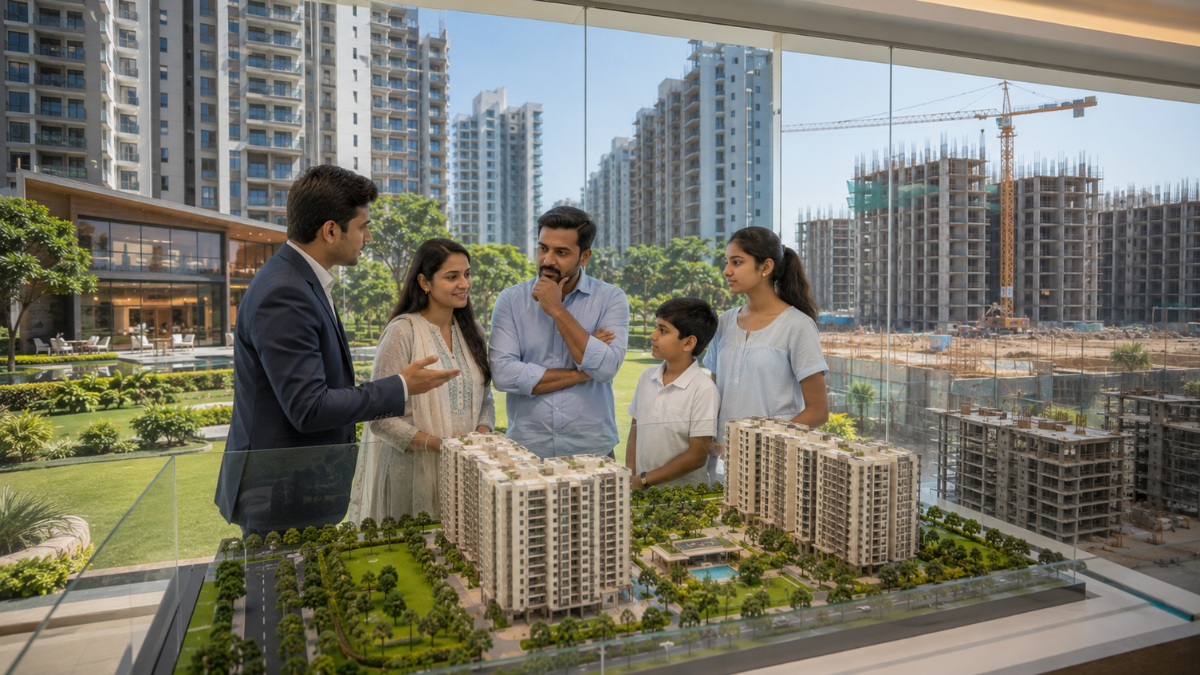
Buying a home is one of the biggest financial decisions most people will ever make. Yet thousands of buyers today are willingly paying 10% to 30% more for apartments developed by large real estate companies instead of choosing cheaper projects nearby.
The obvious question is: What are buyers getting in return?
The answer goes far beyond luxury clubhouses or premium branding. Across India's housing market, buyers are increasingly paying for certainty rather than just square feet.
The Biggest Fear Is No Longer Price
Ten years ago, buyers mainly searched for the lowest property price.
Today, their biggest concern is something completely different.
Will the project actually be completed on time?
Several stalled housing projects over the past decade have changed buyer behaviour. Thousands of families remained stuck paying both EMIs and rent after construction stopped.
As a result, many buyers now see a trusted developer as a way to reduce risk rather than simply purchase a home.
Delayed Possession Can Cost More Than a Costly Flat
Imagine two apartments.
One costs ₹70 lakh.
The other costs ₹78 lakh.
Most buyers naturally prefer the cheaper option.
But if the ₹70 lakh apartment gets delayed by three years, the buyer may continue paying rent and loan EMIs together for years.
That additional financial burden can easily exceed the original price difference.
This is why many homebuyers now compare delivery history before comparing prices.
Banks Also Trust Established Developers
Few buyers notice this before applying for a home loan.
Banks often process loans more smoothly for projects developed by well-established companies because documentation, approvals and compliance are generally better organised.
Although every project is evaluated individually, a developer's track record can influence buyer confidence as well as financing convenience.
Better Execution Creates Better Resale Value
Property value depends on more than location.
Projects delivered on time with proper maintenance, quality construction and active resident communities often perform better in the resale market.
A recognised developer's brand can make it easier for future buyers to trust the property, although resale value is never guaranteed.
Bigger Builders Are Expanding Faster
Another noticeable trend is that India's largest developers are entering new cities instead of remaining limited to traditional markets.
Companies that once focused mainly on Mumbai, Bengaluru or Delhi-NCR are now launching projects in emerging cities where organised housing demand is growing.
For buyers, this means more options from developers with established delivery records.
But Brand Alone Should Never Decide Your Purchase
A famous developer does not automatically make every project the right investment.
Before booking a flat, buyers should still verify:
- RERA registration
- Land ownership and approvals
- Construction progress
- Possession timeline
- Payment schedule
- Connectivity and future infrastructure
- Maintenance charges
- Carpet area, not just super built-up area
Every project should be evaluated individually, regardless of the developer's reputation.
Five Questions Every Buyer Should Ask Before Booking
Instead of asking,
Which builder is the biggest?
Ask these questions:
Has this builder delivered similar projects on time?
Is the project registered with RERA?
What is the builder's possession history over the last five years?
Are there any legal disputes involving this project?
If property prices stop increasing, would I still buy this home?
These questions often reveal more than glossy brochures or marketing campaigns.
The Bottom Line
India's housing market is becoming increasingly organised, with larger developers capturing a bigger share of new project launches. Their growing popularity reflects changing buyer priorities, where reliability, transparency and timely delivery are often valued as much as price.
For homebuyers, the smartest decision is not choosing the biggest builder or the cheapest apartment. It is choosing the project that offers the right balance of legal clarity, construction quality, location and long-term value.