
Why Affordable Housing Projects Get Delayed Even After Approval
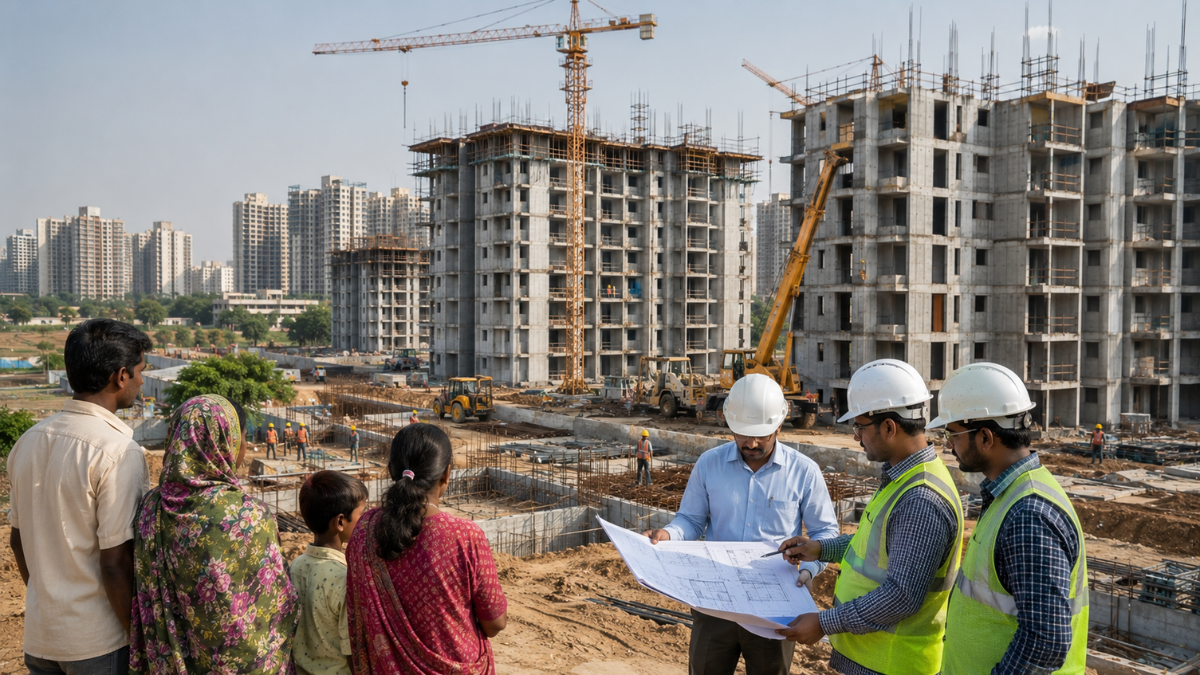
Government-backed affordable housing projects are designed to provide safe and permanent homes for families who need them the most. However, receiving administrative approval does not always mean construction will begin immediately.
Across India, many housing projects experience delays between the approval stage and on-ground execution. These interruptions can extend project timelines by months or even years, affecting both future residents and broader urban development plans.
Understanding why these delays occur helps explain one of the biggest challenges facing India's affordable housing sector.
Approval Is Only the Beginning
Project approval is often seen as the final hurdle, but in reality it marks the beginning of a much longer execution process.
After approvals are granted, authorities and developers still need to complete detailed engineering designs, secure financial resources, appoint contractors, obtain statutory clearances and prepare the construction site.
Any delay during these stages can postpone the start of physical construction.
Technical Changes Can Reset Project Timelines
Housing projects often require design modifications after initial approval.
Changes in construction standards, revised engineering plans, updated safety regulations or site-specific restrictions may require authorities to review and approve revised proposals before work can continue.
Although these changes improve compliance and safety, they can also extend project timelines.
Rising Construction Costs Create New Challenges
The cost of building materials, labour and infrastructure development continues to change over time.
When projects remain pending for long periods, original budgets may no longer be sufficient. Authorities may need to revise project estimates, secure additional funding or rework financial approvals before construction resumes.
This financial review process can become another major reason for delays.
Multiple Agencies Must Work Together
Affordable housing projects usually involve coordination between several government departments and technical agencies.
Urban local bodies, planning authorities, engineering consultants, environmental agencies, utility providers and contractors often need to complete different stages before construction begins.
If approvals or decisions from one agency are delayed, the entire project schedule can be affected.
Why Timely Housing Delivery Matters
For families waiting for rehabilitation or affordable housing, project delays mean continuing to live in temporary, ageing or inadequate accommodation for longer than expected.
Delayed housing projects can also postpone related infrastructure improvements such as roads, drainage, public utilities and community facilities that are planned alongside residential developments.
As cities continue to expand, timely execution becomes just as important as project approval.
What This Means for India's Housing Sector
India's affordable housing mission depends not only on announcing new projects but also on delivering them within realistic timelines.
Improving coordination between government agencies, ensuring timely funding and reducing procedural delays can help accelerate construction while improving public confidence in housing programmes.
Faster project execution also allows cities to address housing shortages more effectively.
The Bottom Line
Affordable housing projects play a critical role in improving urban living standards, but their success depends on efficient execution after approval.
Strong planning, better coordination and timely decision-making can help transform approved housing projects into completed homes, ensuring that families receive the benefits they have been promised without unnecessary delays.