
Builder Keeps Delaying Possession Should You Wait or Ask for a Refund
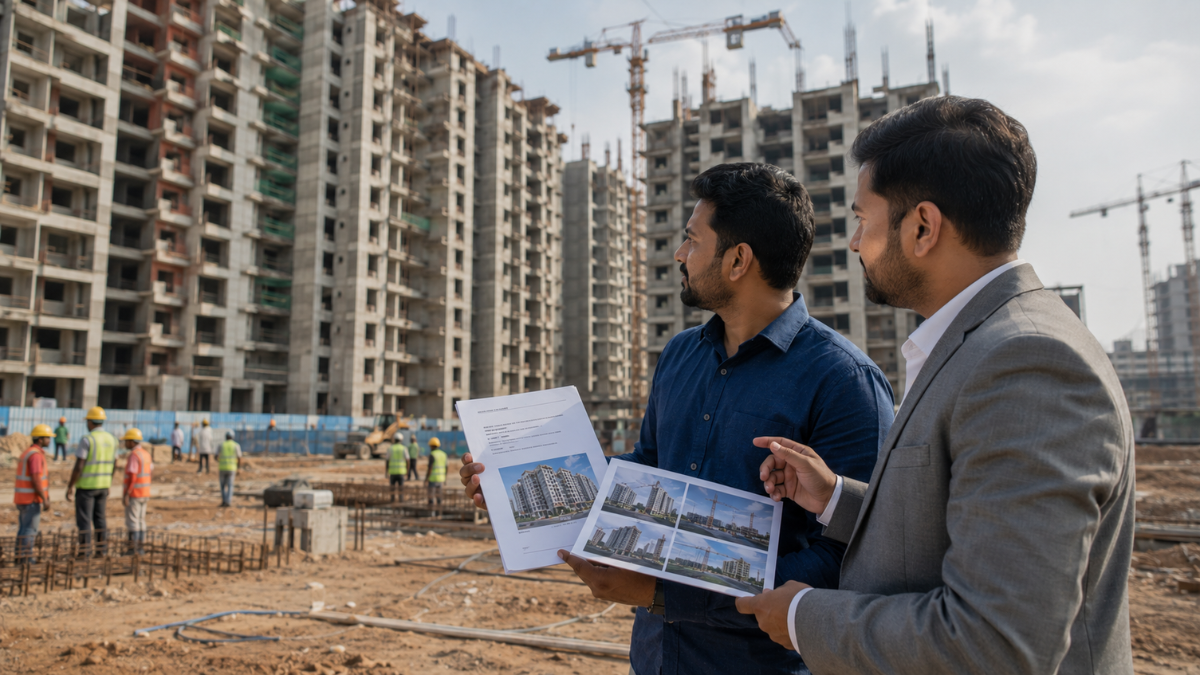
For many homebuyers, the biggest challenge begins after booking the flat.
The agreement is signed, instalments are paid and construction starts. Then the promised possession date arrives—but the project is still incomplete. The builder announces another revised timeline, followed by another extension a few months later.
At that stage, almost every buyer faces the same difficult question:
Should you continue waiting for your home, or is it time to move on and explore other options?
There is no single answer because every project is different. However, the decision should be based on facts rather than emotions.
A Delay Is Not Always the Biggest Problem
Construction delays happen in almost every real estate market. Labour shortages, approval delays, financing issues or unexpected events can slow down projects.
The bigger concern is how the builder responds after the delay.
Developers who continue construction, maintain communication and provide realistic progress updates inspire greater confidence than those who repeatedly change possession dates without visible work on site.
For buyers, the pattern of delay often matters more than the delay itself.
Check the Project Before Believing New Promises
Every time a new possession date is announced, buyers should compare the promise with the actual construction status.
Visit the site if possible. Review recent construction progress. Check whether common areas, external development and essential infrastructure are nearing completion.
A project showing steady progress may justify patience, while one where work has almost stopped deserves much closer attention.
Calculate the Cost of Waiting
Many buyers focus only on the remaining construction period.
But every additional month of delay can create hidden financial pressure.
Some families continue paying home loan EMIs while also paying rent. Others postpone shifting, children's school admissions or business decisions because possession remains uncertain.
Understanding the financial impact of waiting is just as important as estimating when construction will finish.
Don't Let Emotion Drive the Decision
Buying a home is an emotional milestone, which is why many buyers continue waiting even after several missed deadlines.
Before deciding, ask practical questions.
Is construction actually progressing?
Is the developer financially stable?
Has the builder delivered previous projects successfully?
Has communication remained transparent throughout the delay?
Honest answers to these questions often make the next decision much clearer.
Every Delay Doesn't End the Same Way
Some delayed projects eventually become successful residential communities after construction resumes.
Others remain stalled for years because of funding problems, legal disputes or regulatory issues.
This is why buyers should continuously monitor the project's progress instead of relying only on assurances made during meetings or sales calls.
Why Early Decisions Matter
The longer uncertainty continues, the fewer options many buyers feel they have.
Regularly reviewing the project's status helps families plan their finances, housing arrangements and long-term investment strategy more effectively instead of reacting only when the delay becomes severe.
What This Means for Homebuyers
Possession delays should never be viewed only as missed dates on a calendar. They affect monthly budgets, family planning, financing and long-term investment returns.
The right decision depends on the project's actual progress, the builder's execution record and the buyer's financial situation—not simply on another promised completion date.
Why This Matters
Possession delays remain one of the biggest challenges in India's housing market. Buyers who regularly assess project progress instead of relying solely on revised timelines are generally in a stronger position to make informed decisions about their investment and future housing plans.