
A Cheap Home Can Become an Expensive Mistake If the Location Is Wrong
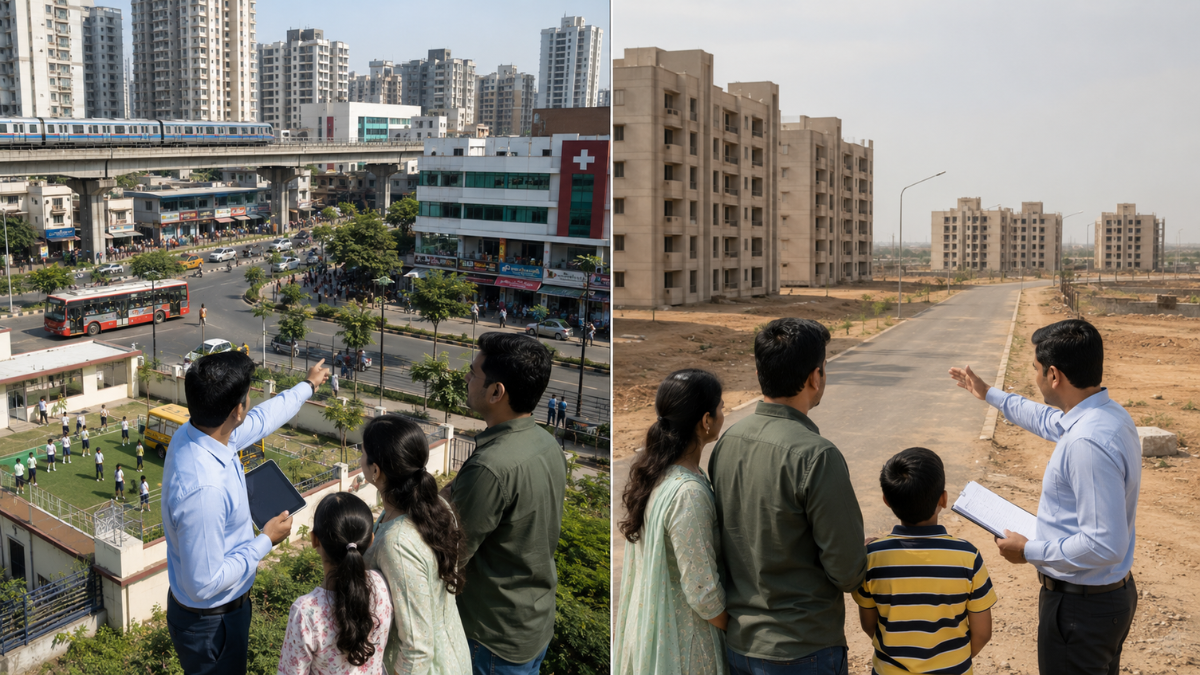
For most families, buying an affordable home feels like winning half the battle.
The price fits the budget, monthly instalments seem manageable and owning a house finally becomes possible. But after moving in, many homeowners discover that the real cost of a property isn't always reflected in its sale price.
A house located far from workplaces, schools, hospitals and public transport can quietly become one of the most expensive financial decisions a family ever makes.
Every day spent travelling longer distances adds fuel costs, transport expenses, lost working hours and reduced quality of life. Over the years, these hidden costs can outweigh the money saved while purchasing the property.
The Cheapest Home Is Not Always the Best Investment
Many buyers compare projects only on price.
A difference of a few lakh rupees often influences the final decision more than anything else.
However, a slightly more expensive property in a well-connected neighbourhood may prove far more economical over the next ten or twenty years than a cheaper house located on the city's edge.
Real estate value is shaped not only by the building itself but also by everything that surrounds it.
Daily Convenience Has a Financial Value
Imagine travelling two extra hours every day just to reach your workplace.
Now multiply that by several years.
The cost is not only fuel or transport fares. It also includes lost family time, higher stress, reduced productivity and additional vehicle maintenance.
These are expenses that rarely appear in property brochures but become part of everyday life after possession.
Schools, Hospitals and Public Transport Matter More Than Clubhouses
Many housing advertisements highlight swimming pools, clubhouses and landscaped gardens.
While these facilities certainly improve lifestyle, they cannot replace essential civic infrastructure.
Easy access to schools, hospitals, metro stations, bus routes, markets and employment centres often has a much greater impact on long-term satisfaction than premium amenities.
Why Some Government Housing Projects Succeed While Others Struggle
Across India, several affordable housing projects have remained underoccupied despite offering attractive prices.
One common reason is location.
When homes are built far from employment hubs, many beneficiaries continue living elsewhere and use the allotted property only occasionally or rent it out.
Projects located within existing residential neighbourhoods generally integrate more successfully into urban life because residents already have access to transport, markets and public services.
Location Also Influences Future Property Value
A property's future appreciation depends on much more than construction quality.
Areas that continue receiving infrastructure investment—such as metro corridors, expressways, commercial districts and educational institutions—often witness stronger long-term demand.
On the other hand, isolated developments may take years to attract comparable buyer interest.
Choosing the right location is therefore both a lifestyle decision and an investment decision.
Think Beyond Possession Day
Many buyers evaluate a property only until the day they receive possession.
A smarter approach is to imagine living there every single day for the next decade.
How long will the office commute be?
Can children reach school safely?
Is emergency healthcare nearby?
Will public transport improve over time?
The answers to these questions often determine whether a home remains a valuable asset or gradually becomes a burden.
What This Means for Homebuyers
Affordable housing should never be judged only by its purchase price.
Before booking any property—whether developed by a private builder or under a government scheme—buyers should carefully assess connectivity, surrounding infrastructure, employment access and future development plans.
A better location may cost more initially but can save significantly more money and time over the life of the investment.
Why This Matters
India is building millions of affordable homes, but the long-term success of these projects will depend not only on how many houses are constructed, but where they are built. For buyers, location continues to be the single most important factor influencing daily life, resale value and overall returns from a property investment.