
US Mortgage Rates Hit 7.26% as Strong Economic Data Pushes Borrowing Costs Higher
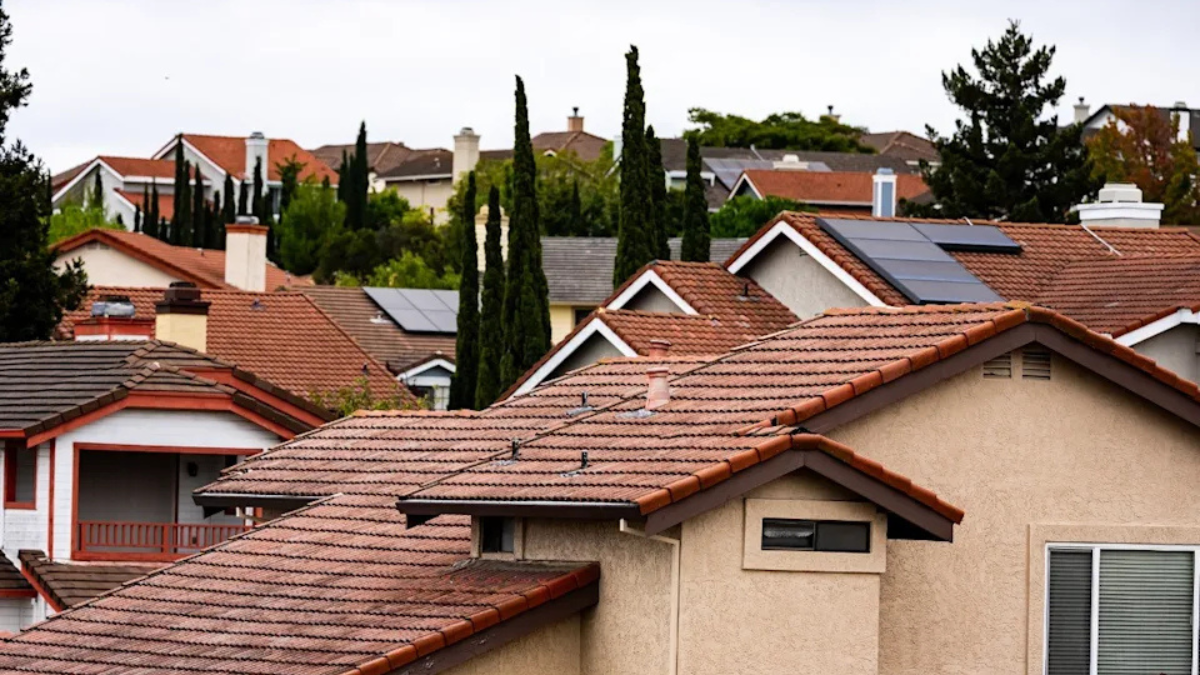
USA | September 24, 2026: US mortgage rates have climbed to their highest level of 2026, reaching 7.26% as a sharp rise in the 10-year Treasury yield pushed borrowing costs higher for homebuyers.
The move came after stronger-than-expected economic data and a more hawkish tone from the Federal Reserve. For prospective buyers, the latest jump adds another affordability hurdle at a time when monthly mortgage payments are already elevated.
What Changed in Mortgage Rates
Mortgage rates rose to 7.26%, marking a new yearly high.
The increase followed a significant jump in the 10-year Treasury yield, which reached levels not seen since 2006.
Because mortgage rates are closely influenced by movements in longer-term Treasury yields and mortgage-backed securities, the bond-market move quickly fed into home-loan pricing.
Strong Economic Data Triggered the Bond-Market Move
One of the main catalysts was stronger economic data, including recent Purchasing Managers' Index (PMI) readings.
Stronger business activity can reduce expectations that inflation and economic growth will slow quickly, potentially keeping interest rates higher for longer.
That pushed Treasury yields higher and increased pressure on mortgage rates.
Fed Messaging Added More Pressure
The Federal Reserve's latest communication also contributed to the move.
More hawkish comments from a voting Fed governor strengthened expectations that policymakers may remain cautious about easing monetary conditions.
For the housing market, the implication is important: even when the Fed's policy rate changes, mortgage rates do not necessarily move in the same direction or at the same speed.
Long-term bond yields, inflation expectations and mortgage-market spreads also influence what homebuyers ultimately pay.
Mortgage Spreads Are Providing Some Relief
One factor prevented mortgage rates from rising even more sharply.
Mortgage spreads have improved compared with earlier periods, meaning the difference between mortgage rates and underlying Treasury yields has narrowed.
That improvement has helped offset some of the pressure created by the jump in Treasury yields.
Without the improvement in spreads, the latest rise in mortgage rates could have been even larger.
What 7.26% Means for Homebuyers
For buyers, the difference between a mortgage rate in the mid-6% range and one above 7% can materially affect monthly affordability.
At higher rates, buyers may respond by:
- Reducing their home-price budget
- Increasing their down payment
- Looking at smaller homes
- Delaying their purchase
- Negotiating more aggressively with sellers
- Comparing builder and lender incentives
The impact is particularly important for first-time buyers, who generally have less flexibility around down payments and monthly housing costs.
Housing Demand Could Remain Under Pressure
Higher mortgage rates can discourage existing homeowners from moving because many borrowers with older, lower-rate mortgages may be reluctant to give them up.
At the same time, prospective buyers face higher financing costs.
That combination can contribute to a housing market with limited transaction volumes even when there is underlying demand for homes.
Builders may also need to rely more heavily on incentives, rate buydowns and pricing adjustments to keep buyers engaged.
What Happens Next
The direction of mortgage rates will depend on several moving parts, including incoming economic data, inflation trends, Federal Reserve communication, Treasury yields and mortgage-market spreads.
The latest 7.26% rate shows how quickly borrowing costs can move when strong economic data and higher bond yields combine with a more hawkish policy outlook.
For US homebuyers, the immediate takeaway is that financing costs remain a major factor in determining how much house they can comfortably afford.