
New York Seeks Public Feedback on 4,000-Home Lower Manhattan Redevelopment
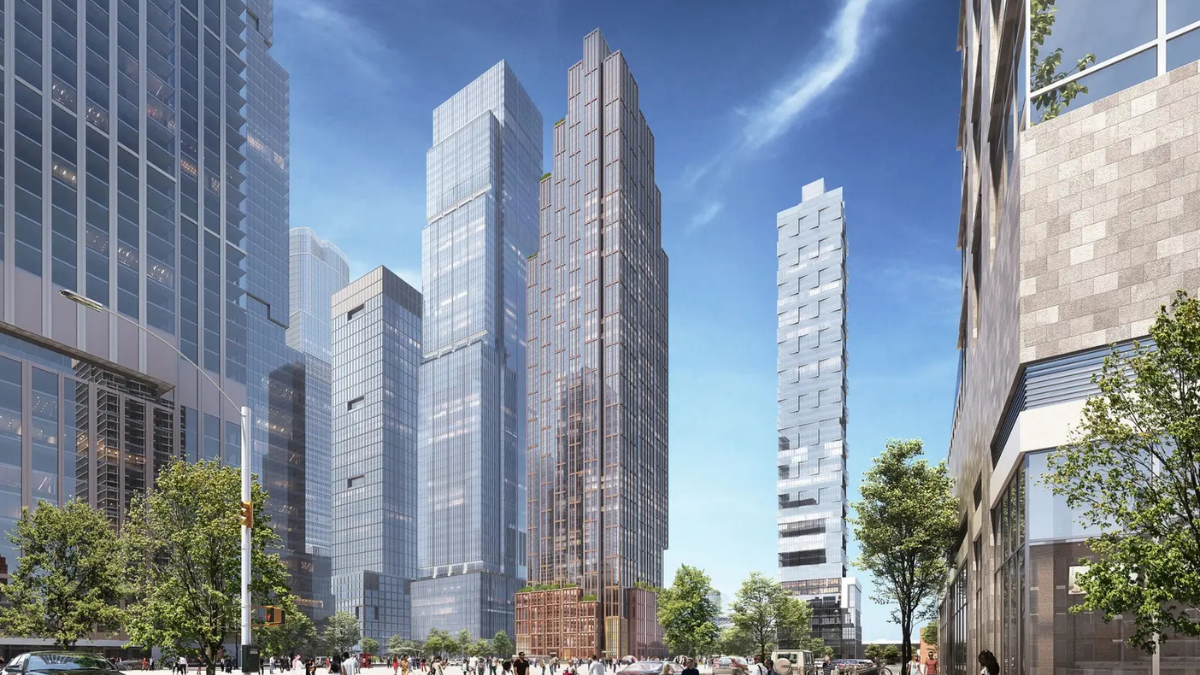
Lower Manhattan, New York City, United States | September 29, 2026: New York City is seeking residents’ feedback on a major redevelopment plan that could transform a city-owned office site at 100 Gold Street into nearly 4,000 homes. The proposal includes approximately 1,000 permanently affordable, rent-stabilised apartments, alongside community facilities and public open space.
The project is part of the city’s effort to repurpose underused properties to expand housing supply in Lower Manhattan. The public review process gives residents an opportunity to comment on the proposed development before it advances through the remaining approvals.
Former Office Site Could Become a Major Housing Community
The proposed redevelopment at 100 Gold Street would replace an existing office building with a mixed-income residential community. The site is currently associated with the city’s Department of Housing Preservation and Development (HPD).
The latest proposal calls for approximately 4,000 homes, around 300 more than earlier estimates. The development is expected to include both market-rate and affordable housing, significantly expanding the residential capacity of the site.
Around 1,000 Permanently Affordable Homes Planned
Of the nearly 4,000 proposed homes, approximately 1,000 would be permanently affordable and rent-stabilised. The project is intended to add housing options for households with different income levels.
According to the city, the affordable homes would nearly double the number of permanently affordable units built in Manhattan Community District 1 over the previous decade.
The proposal also includes an older adult centre, public open space and other community amenities. These facilities are intended to serve both residents and the surrounding neighbourhood.
Residents Invited to Share Their Views
The city has begun the public review process for the redevelopment, inviting community input on the proposal. The consultation is an important stage for residents to raise questions and concerns about the planned homes, public spaces and community facilities.
The project will proceed through environmental review and the city’s Uniform Land Use Review Procedure (ULURP). Community feedback will form part of the broader review as the proposal advances.
City Plans to Repurpose Its Existing Property
The redevelopment involves replacing an outdated office building and relocating the city agencies currently occupying the site to modern office space.
The city has described the project as an opportunity to make more productive use of public land while increasing housing supply. GFP Development is involved in the project, which is being advanced in partnership with the city.
The administration has said the proposal would move forward without direct city funding.
What the Redevelopment Means for Lower Manhattan
The proposed 4,000 homes would represent a substantial addition to Lower Manhattan’s residential supply. The inclusion of permanently affordable apartments could also expand housing options for eligible households in a neighbourhood where residential space is in demand.
The development could bring additional residents to the area and increase demand for nearby retail, services and public facilities. However, the eventual impact will depend on the final approved plans and the project's delivery.
For property owners and developers, the proposal also highlights the potential of converting or redeveloping existing commercial properties to accommodate housing.
What Happens Next
The 100 Gold Street proposal is now entering public review, with environmental assessment and ULURP among the next steps. The final development plan will depend on the outcome of the review and required approvals.
Residents’ feedback, the environmental review and the land-use process will help determine how the project moves forward. Construction and delivery timelines have not yet been confirmed.