
Former Rubin Museum Chelsea Property Hits Market With 46 Residential Units
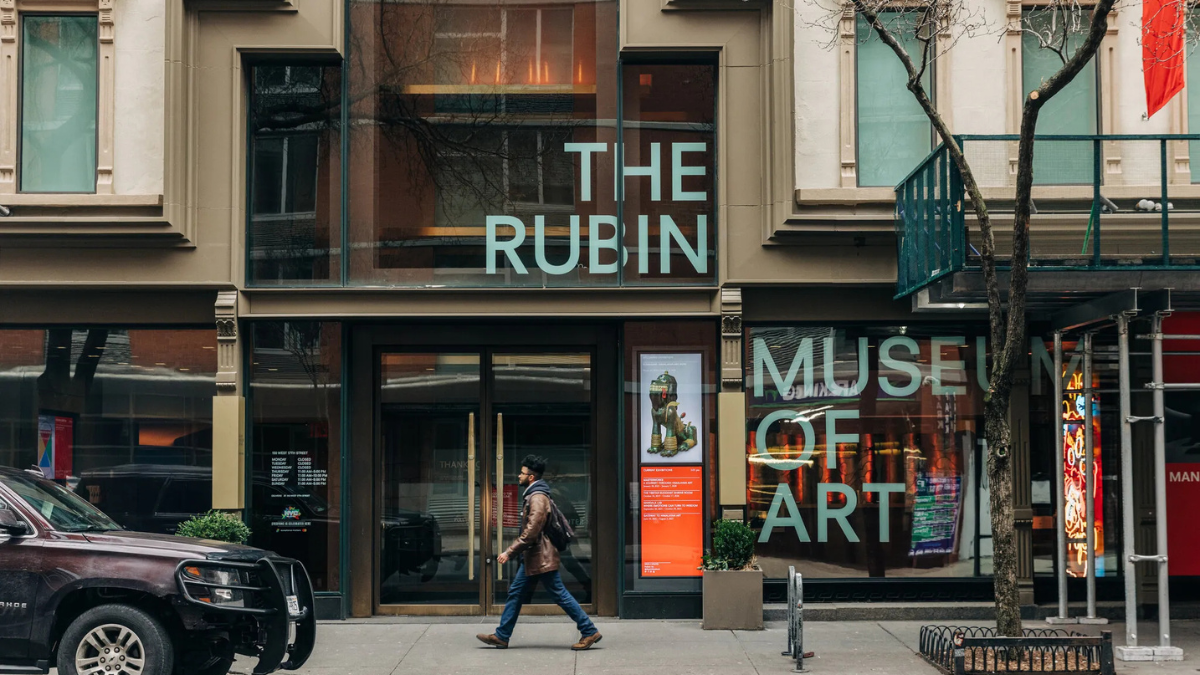
New York City | September 24, 2026: The former Chelsea home of the Rubin Museum of Himalayan Art has been put on the market, opening up a significant Manhattan real estate opportunity roughly two years after the museum closed its longtime location.
The property at 154 17th Street includes a 46-unit residential component, adding a housing element to a site with a notable commercial and cultural history.
Former Rubin Museum Property Goes Up for Sale
The Rubin Museum has placed its former Manhattan flagship on the market after leaving the Chelsea property approximately two years ago.
The building's history extends beyond its museum use. The site previously housed the first women's department store operated by Barneys New York before being converted into the Rubin Museum's Chelsea home.
46 Residential Units Add Housing Value
The property includes a 46-unit residential component, making its future positioning particularly relevant to Manhattan's residential market.
The sale could attract buyers evaluating the property based not only on its existing structure and history but also on the potential uses supported by its location and residential component.
However, publicly available information does not disclose the asking price, total square footage or the specific strategy being considered by a prospective buyer.
Chelsea Location Remains a Key Asset
The property is located in Chelsea, one of Manhattan's established mixed-use neighborhoods.
For prospective buyers, the location provides access to an area with established residential, commercial and cultural activity. The property's previous institutional use also gives the site a distinctive profile compared with a conventional apartment building.
A Property With Multiple Chapters
The building's transition from a former Barneys location to a Himalayan art museum and now a marketed real estate asset highlights how Manhattan properties can move between different uses over time.
The Rubin Museum operated from the Chelsea location before closing its longtime home around 2024. The latest listing creates another potential transition for the property.
Why the Listing Matters for Manhattan Real Estate
The marketing of a property with an existing residential component comes at a time when investors and developers continue to evaluate older Manhattan buildings for their highest-value permitted uses.
For buyers considering the property, key questions will include its existing zoning and approvals, residential configuration, physical condition, potential renovation requirements and any restrictions attached to future redevelopment.
Those details have not been publicly disclosed in the accessible portion of the CoStar report.
What Happens Next
JLL executives including Jonathan Hageman, TJ Hochanadel, Robert Martin and Natalie Sachmechi are listed as contacts for the property, according to CoStar's public listing.
The next major development will be the property's sale process and whether a buyer intends to retain its existing residential component, reposition the property or pursue another permitted use.
For Manhattan's Chelsea market, the listing puts a historically significant property back into play with 46 residential units as one of its key real estate components.