
After 8 Years of Waiting Pune's Landmark Land Pooling Projects Move to PMC for Execution
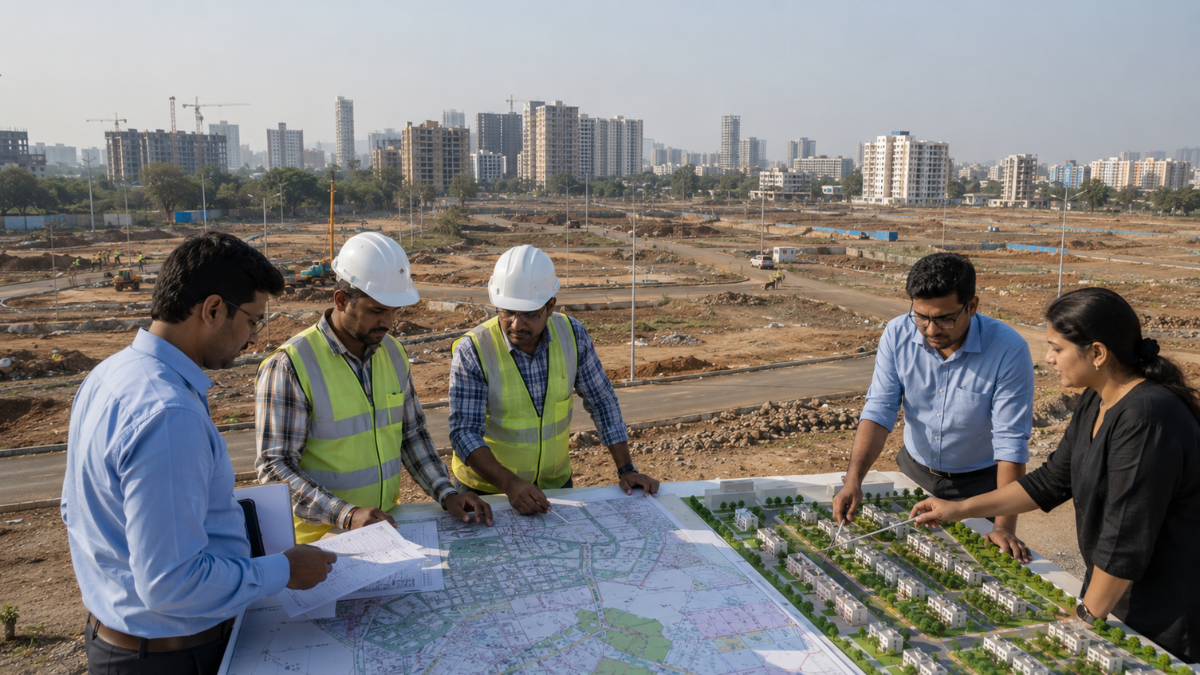
PUNE | July 27, 2026: Thousands of landowners waiting for Pune's much-publicised town planning schemes may soon see a fresh push, with the Pune Municipal Corporation (PMC) taking over the implementation of five major projects that were planned by the Pune Metropolitan Region Development Authority (PMRDA) over the past eight years.
The transition comes after the project areas were brought within the limits of Pune Municipal Corporation, making PMC the new planning authority responsible for taking these long-pending schemes forward.
Five Major Projects Shift to PMC
The transfer includes the Mhalunge-Maan Town Planning Scheme, widely regarded as one of Maharashtra's flagship land pooling initiatives, along with projects in Wadachiwadi, Autade-Handewadi and two schemes in Holkarwadi.
PMRDA has begun handing over planning records, technical documents and project-related files to PMC. According to officials, documentation for some schemes has already been transferred, while the remaining records are expected to be submitted shortly.
Once the process is complete, PMC will oversee future implementation, approvals and coordination with landowners.
A Project Designed Around Land Pooling
Unlike traditional land acquisition, these town planning schemes were prepared using a land pooling model, where land parcels are reorganised to create roads, public spaces and civic infrastructure while returning a portion of the developed land to the original owners.
The approach aims to support planned urban growth without requiring large-scale compulsory acquisition, while ensuring space for essential public facilities.
The combined area covered by the five approved schemes extends across nearly 768 hectares.
Landowners Continue to Wait for Development
Although planning approvals were secured after years of preparation, on-ground execution has remained slow, leaving many landowners waiting for promised infrastructure.
Several property owners who completed the required procedures under the scheme say they now hope the transfer to PMC will accelerate construction of internal roads, public amenities and other planned facilities.
However, the change in implementing authority has also created fresh uncertainty about when work will actually begin.
Inner Ring Road Plans Still Face Challenges
Beyond these five approved projects, PMRDA had also proposed several additional town planning schemes along the planned Inner Ring Road corridor.
Those proposals, however, remain pending after facing opposition from farmers over issues related to land contribution and plot reconstitution.
Officials indicate that the future of these projects will depend on a broader policy decision by the Maharashtra government.
Why This Transfer Matters
The handover is more than an administrative exercise.
Since PMC now governs these areas, placing implementation under a single civic authority could improve coordination between urban planning, infrastructure development and municipal services.
If execution gathers pace, the move could help unlock long-delayed residential and mixed-use development across these growing suburbs.
What This Means for Property Owners
Landowners and prospective buyers in these areas should closely monitor future announcements from PMC regarding implementation schedules, infrastructure planning and development timelines.
Progress on roads, civic amenities and public utilities could significantly influence property values and future real estate activity in the surrounding neighbourhoods.
Why This Matters
Town planning schemes play a crucial role in shaping the long-term growth of expanding cities. Pune's decision to shift these long-pending projects to PMC marks an important step that could determine how quickly planned infrastructure reaches some of the city's fastest-growing residential corridors after years of delay.