
More Than Half of Mumbai's Slum Land Enters Redevelopment Pipeline What It Means for Housing and Real Estate
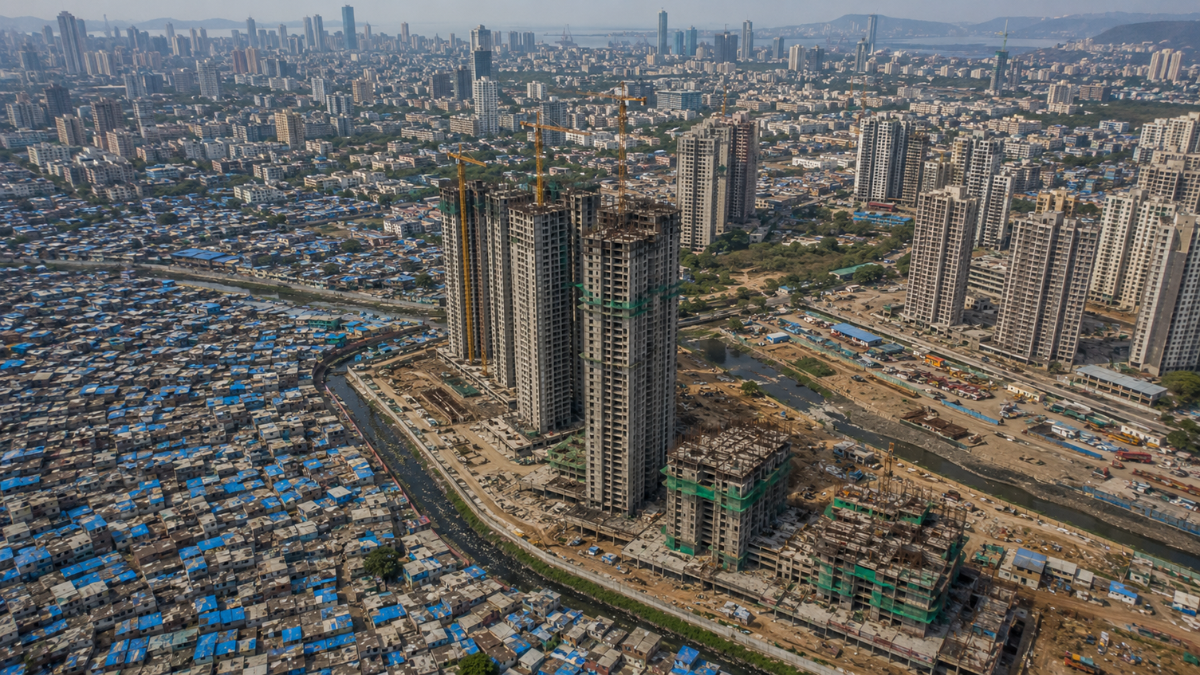
MUMBAI | July 24, 2026: Mumbai's long-running slum redevelopment programme has reached a significant milestone, with more than half of the city's slum land now falling under redevelopment projects or projects awaiting completion, according to data from the Slum Rehabilitation Authority (SRA).
The figures highlight the scale of urban transformation underway while also reflecting the challenges that continue to slow the delivery of rehabilitation housing.
Redevelopment Activity Covers More Than Half of Mumbai's Slum Land
According to SRA data, redevelopment projects currently cover 2,751 acres of Mumbai's 4,882 acres of notified slum land.
Of this:
- 2,156 acres are under active redevelopment.
- 595 acres are part of stalled projects.
Together, these projects account for 56.35% of the city's total slum land, making it one of the largest urban redevelopment exercises currently underway in India.
More Than 1,200 Projects Are Underway
The redevelopment pipeline presently includes:
- 1,202 active redevelopment projects
- Covering 321,858 hutments
In addition, 271 stalled projects involving more than 89,000 hutments remain incomplete, indicating that while redevelopment momentum has increased, execution continues to face significant hurdles.
Why Redevelopment Has Accelerated
Industry experts attribute the growing number of projects to several factors, including:
- Limited availability of developable land within Mumbai.
- Policy measures encouraging slum redevelopment.
- Strong demand for housing in premium urban locations.
- Increasing participation from established private developers.
As land availability becomes more constrained, redevelopment has emerged as one of the few large-scale avenues for creating new residential supply within the city.
Stalled Projects Remain a Major Concern
Despite the rapid expansion of redevelopment activity, a substantial number of projects continue to face delays.
Experts note that slum redevelopment projects are often more complex than conventional residential developments because they involve rehabilitation obligations, regulatory approvals, financial viability and coordination among multiple stakeholders.
Projects with lower redevelopment potential or limited saleable area may face greater execution challenges, increasing the likelihood of delays.
Thousands of Families Are Still Waiting
SRA data also indicates that a large number of households are yet to benefit from completed rehabilitation.
Hundreds of redevelopment proposals remain in the pipeline, while many projects are still awaiting execution or government approvals before construction can begin.
The figures suggest that although redevelopment activity has expanded significantly, the transition from project approval to completed rehabilitation continues to take considerable time.
Government Push Towards a Slum-Free Mumbai
The redevelopment programme forms part of the Maharashtra government's broader vision of creating a "slum-free Mumbai."
Alongside conventional SRA projects, the government is increasingly focusing on large cluster redevelopment projects, which aim to redevelop multiple adjoining slum settlements together instead of treating each plot separately.
Several large cluster proposals have already been identified across Mumbai, with additional projects awaiting approval.
What This Means for Homebuyers and the Real Estate Market
For homebuyers, the redevelopment pipeline could gradually increase the supply of newly constructed homes in established parts of Mumbai over the coming years.
For developers, redevelopment continues to represent one of the city's most significant land opportunities, particularly in locations where vacant land is scarce.
However, project execution timelines, regulatory clearances and rehabilitation commitments will remain key factors determining how quickly these developments are completed and delivered.
Why This Matters
Mumbai's redevelopment story is no longer limited to isolated SRA projects. With more than half of the city's slum land now linked to redevelopment plans, the programme has become a defining part of the city's future urban growth strategy. If executed efficiently, it could improve housing conditions, modernise infrastructure and unlock land for planned development. At the same time, the pace of rehabilitation and the completion of stalled projects will determine whether this large-scale transformation delivers its intended benefits for both residents and the city's real estate sector.